admin
admin
Wallace Ruzvidzo Herald Reporter
AFRICAN countries should join forces against emerging pandemics rather than just rely on Western countries or others for assistance, Global Preparedness Monitoring Board co-chair Ms Johannah Phumaphi has said.
During the Covid-19 period for instance, she said, African countries were forced to rely on aid and vaccines from the West, something which could be avoided in the future if the continent joined forces and increased financing.
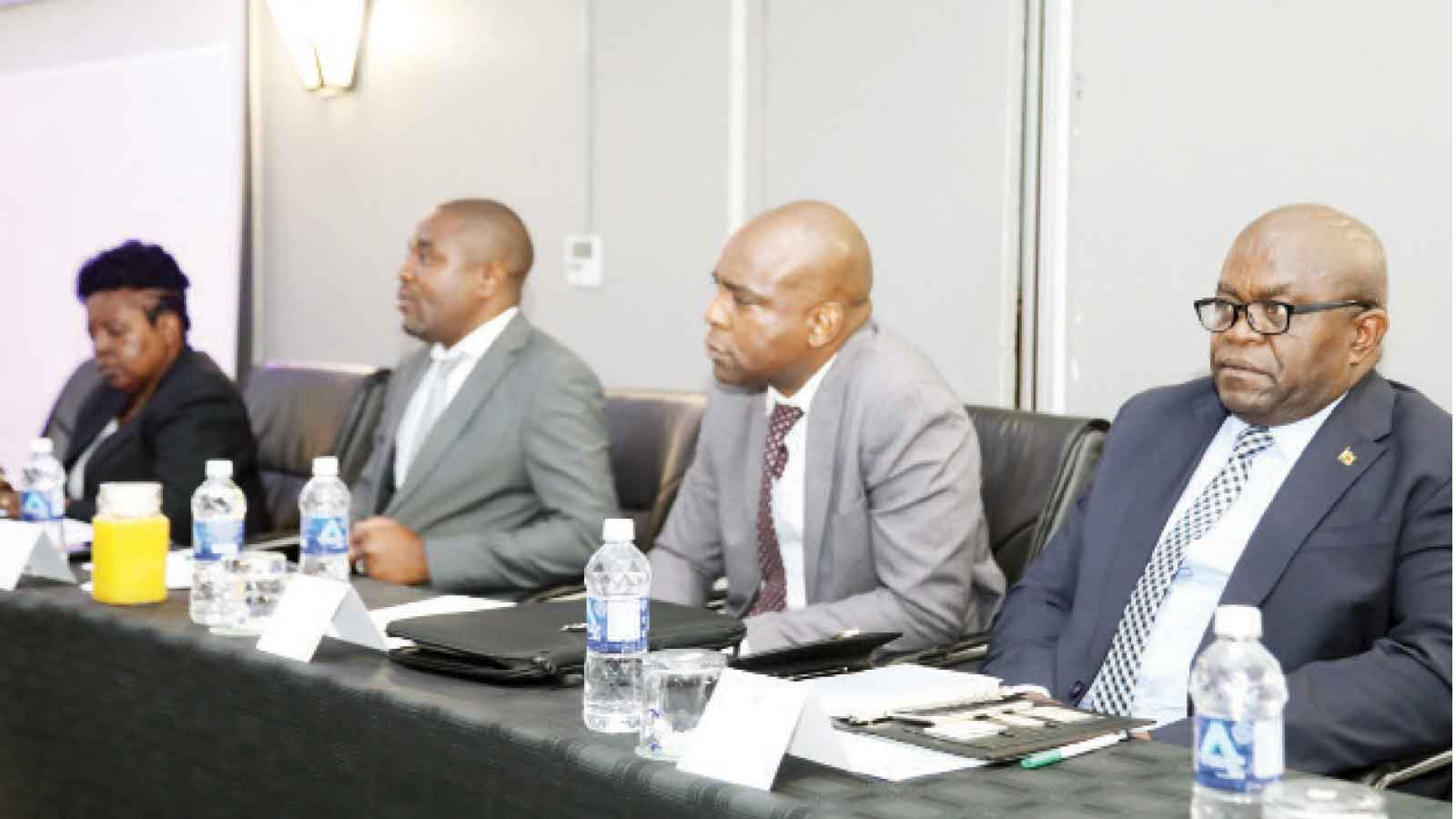
Speaking during a press briefing at the ongoing International Conference on AIDS and STIs in Africa (ICASA 2023) in Harare, Ms Phumaphi said African countries had the potential to self-sustain especially on the health front.
It is also important that African countries increase investments in their health sectors, she added, to ensure adequate responses to emerging pandemics.
“As you know there is a pandemic fund which is hosted by the World Bank. They were able to finance only one third of the countries that applied and in that they financed a very limited area,” Ms Phumaphi.
“They were not able to finance all the various elements of readiness. The one big weakness that we see is in financing and one thing that Covid-19 taught us is that you need financing.
“When a pandemic breaks out, you need money to give the research and development people to develop the medical vaccines and this is what the West did. Their governments were able to fund this, but we, in Africa, were not able to do this. So this financing is absolutely critical.”
Ms Phumaphi said collaboration between African countries was important to deal with emerging threats in unison.
“Countries themselves must also assume responsibility because when they prioritise the allocation of our own budget, this is an area that must receive more funding than we are giving it. We need to work together; we cannot have every country manufacturing vaccines. We have to agree on how we are going to share the manufacturing.
“That is another very important area, at the same time, to develop our own scientists,” she said.
Research carried out recently indicated that the world was not ready for another pandemic, said Ms Phumaphi, hence more initiatives should be employed to ensure preparedness.
She challenged the private sector to chip in with assistance towards their countries’ preparedness.
“Annually, we prepare a report that shows the extent to which the world is prepared for the next pandemic. This year, we decided to develop a monitoring framework and it has a series of indicators, over 90 indicators, that we will use to measure.
“Instead of reporting all 90 indicators, we decided that this year, we will focus on three critical areas where we see that the world is falling behind. When we took that indicator, we used it to assess RND, access to medical counter-measures, financing and what we actually found is that the global community is not ready (for another pandemic).
“More resources are required; the private sector must contribute to these resources, not just have them come from the traditional sources,” said Ms Phumaphi.



 Online Reporter