admin
admin
Sukulwenkosi Dube-Matutu
Bulawayo Bureau
GARANYEMBA Clinic’s mother’s shelter, a project which was completed using devolution funds, has ignited excitement among the local community and brought relief to expecting mothers who were forced to travel distances to access healthcare.
The project had stalled for seven years.
The clinic services eight villages namely Garanyemba, Switsha, Zhokwe, Sifanjani, Nsimbi, Mtandawenema, and Mawane 1 and 2 villages.
Devolution funds have transformed the health sector with new clinics emerging in several districts in Matabeleland as the Second Republic steps up the inclusive developmental philosophy of leaving no one and no place behind.
The programme has helped local authorities in Matabeleland and other parts of the country boost health service delivery, particularly in rural areas, where a majority of citizens quite often face long journeys when ill to obtain treatment.
With social amenities and infrastructure development being some of the major pillars of the National Development Strategy (NDS1), councils have dedicated a larger chunk of devolution funds to healthcare provision through the construction of clinics.
Garanyemba Clinic Health Centre committee chairperson, Mr Gezani Dube, said the waiting mother’s shelter will go a long way in improving maternal healthcare services.
“We have seen significant development in the clinic through the construction of a waiting mother’s shelter. This project started seven years back but limited funding was stalling the project,” he said.
“Funding started coming in from the Government and the project gathered pace until now when it has been completed and read for commissioning.”
Mr Dube said the waiting mother’s shelter will go a long way in assisting the local community.
“Women that needed close supervision during their pregnancy were forced to travel to Gwanda Provincial Hospital as it was the nearest facility with a shelter that could accommodate them,” he said.
Mr Dube said once the facility is opened women will be able to access improved maternal services.
Ms Nokuthula Ncube from Garanyemba said the waiting mother’s shelter at the clinic is a huge relief for expecting mothers.
“This facility will also help to ensure that mothers deliver safely. Sometimes villagers are forced to travel distances in scotch carts with women who would be pregnant posing a threat to them,” she said.
Garanyemba village head, Mr Mkhubo Ndlovu, expressed gratitude to Government.
“Thanks to the devolution programme development has now been decentralised to our communities. The money comes and then the local authority can decide after consultation with communities on the projects that need immediate attention,” he said.
“Development is also spread out across all districts and provinces thanks to the devolution programme. Government has said no place will be left out and we are glad that this is being implemented.”
Gwanda Rural District Council chief executive officer, Mr Ranganai Sibanda, said the Garanyemba waiting mother’s shelter was one of the projects that have been prioritised in the district under the devolution programme.
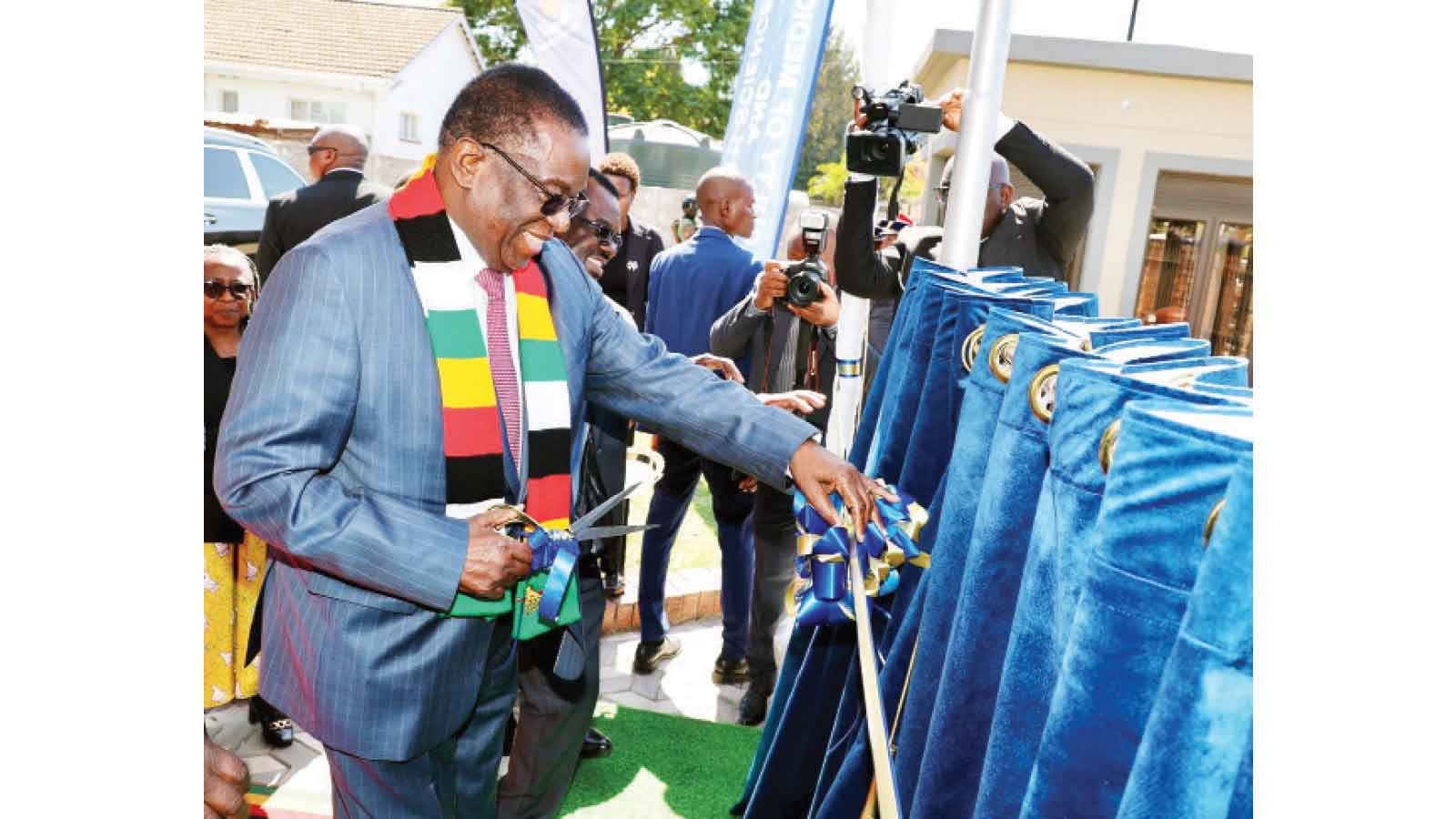
Through devolution funds, the local authority has also completed Mandihongola Clinic, which is set to be commissioned soon.
Council also constructed Tshanyaugwe Clinic, which is set to be completed by year end.
The council also constructed Mashaba Clinic waiting mother’s shelter and Mzimuni High School girl’s hostel.
Other projects that have been implemented in the district using devolution funds include rehabilitation of classroom blocks and clinics, construction of Mashaba Clinic waiting mother’s shelter and classroom blocks in several schools.
ECD classroom blocks are under construction at Makokwe, Mahwanke and Zhukwe primary schools.
Under the Second Republic, Government saw it prudent to operationalise the devolution concept as enshrined in the Constitution, resulting in five percent of fiscal disbursement from Treasury being channelled towards local authorities.
Devolution was adopted as a key component of the new Constitution of Zimbabwe which promotes democratic participation in Government by all citizens and communities and “devolution of power and responsibilities to lower tiers of Government in Zimbabwe”.
The devolution funds have transformed several districts in Matabeleland as the Second Republic steps up the inclusive developmental philosophy of leaving no one and no place behind.
The devolution programme is one of the key pillars under the NDS1 aimed at realising the country’s Vision 2030 while simultaneously addressing the global aspirations of the Sustainable Development Goals (SDGs) and Africa Agenda 2063.
The overarching goal of the NDS1 is to ensure high, accelerated, inclusive, and sustainable economic growth as well as socio-economic transformation and development as the country moves towards an upper middle-income society by 2030.


 Online Reporter