Online Reporter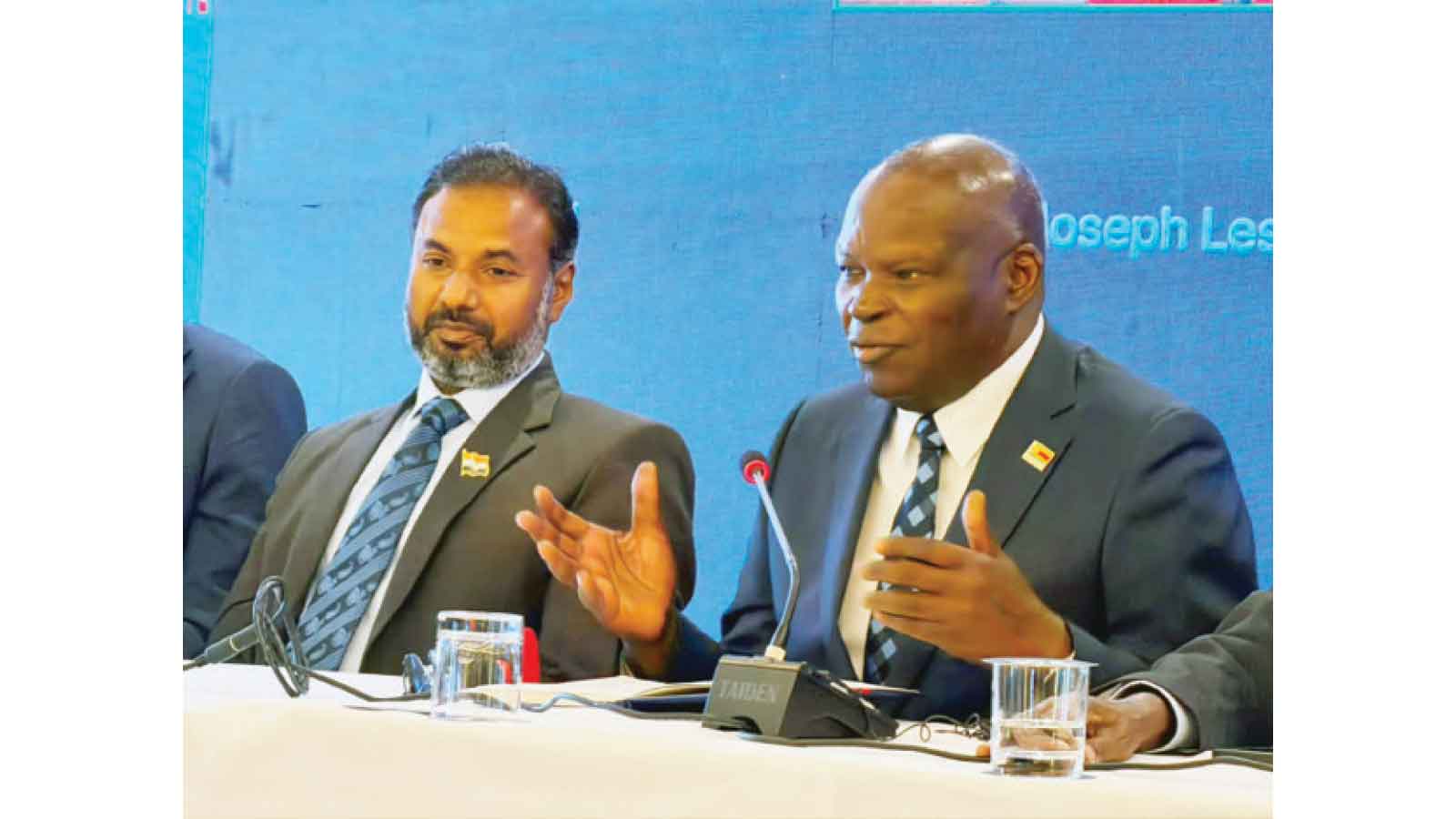
Judith Phiri in VICTORIA FALLS
AFRICA is set to make a major leap in its renewable energy ambitions, with the International Solar Alliance targeting at least 200 gigawatts of solar capacity over the next five years as the continent moves from scattered megawatt-scale projects to large-scale deployment.
The ambitious target was announced in Victoria Falls yesterday as the ISA called for stronger investment, innovative financing and coordinated action to turn Africa’s vast solar potential into concrete energy and development projects.
The push comes as falling solar technology and storage costs make renewable energy increasingly competitive, while Africa continues to grapple with inadequate electricity access, energy insecurity and the high cost of imported fossil fuels.
Speaking at the official opening of the 8th Meeting of the ISA Regional Committee for the Africa Region, ISA director-general Ashish Khanna said the continent had reached a point where political will, financing and technology were converging to support a major expansion of solar power.
“We believe Africa is ready to move from megawatts to gigawatts. For the first time, working very closely for the last 15 years in Africa, I find a political will and a momentum, which says that energy as an essential artery for access, reliable and affordable energy is central to Africa’s growth,” he said.
Mr Khanna said the emergence of common initiatives bringing together governments and development partners was creating an environment that had previously been lacking on the continent.
“We now have all donors and all governments come together on a common shared platform of Mission 300, which is led by governments’ own national nonprofits.
“This unification was not available in Africa,” he said.
The ISA chief said the continued decline in the cost of solar technology and energy storage was strengthening the case for Africa to accelerate its transition to renewable energy.
He said the ISA, which has 129 member countries, would use the Victoria Falls meeting to move beyond policy discussions and focus on implementation.
“You will see that we will be, over the next one and a half days, leading three big initiatives,” said Mr Khanna.
The first is a continental clean energy plan for solarising Africa, which he said would provide implementation pathways rather than simply producing another policy report.
The second is the Africa Solar Facility, through which a US$200 million fund will be operationalised to support young private entrepreneurs investing in renewable energy.
The third initiative will focus on the solarisation of agriculture, initially involving seven countries, among them Zimbabwe and with the potential to mobilise about US$1 billion in solar power investment.
Mr Khanna said discussions at the meeting would also cover energy storage, electric mobility, capacity building, country partnership frameworks, digitisation, new technologies and the harmonisation of standards.
The initiatives are aimed at addressing one of Africa’s biggest development challenges, which include expanding reliable and affordable access to electricity while supporting economic activity and reducing dependence on fossil fuels.
Seychelles Minister of Environment, Climate, Energy and Natural Resources Marie-May Jeremie, who is chairperson and vice-president of the ISA Assembly for the Africa Region, said the continent could no longer afford to leave its enormous solar potential underutilised.
“Africa’s energy transition is gaining momentum, yet deployment remains far below its immense potential. Solar energy can expand electricity access, support agriculture, strengthen health and education services, power enterprises and build resilient communities,” she said.
For island states such as Seychelles, Minister Jeremie said solar power, energy storage and stronger electricity grids were particularly important in improving energy security, reducing dependence on imported fuels and addressing climate vulnerabilities.
She welcomed proposed country partnership frameworks with the ISA, saying they could accelerate rooftop and distributed solar projects through capacity building, project preparation and access to affordable finance.
The minister challenged delegates to ensure that the meeting produced projects capable of attracting investment and delivering tangible benefits to communities.
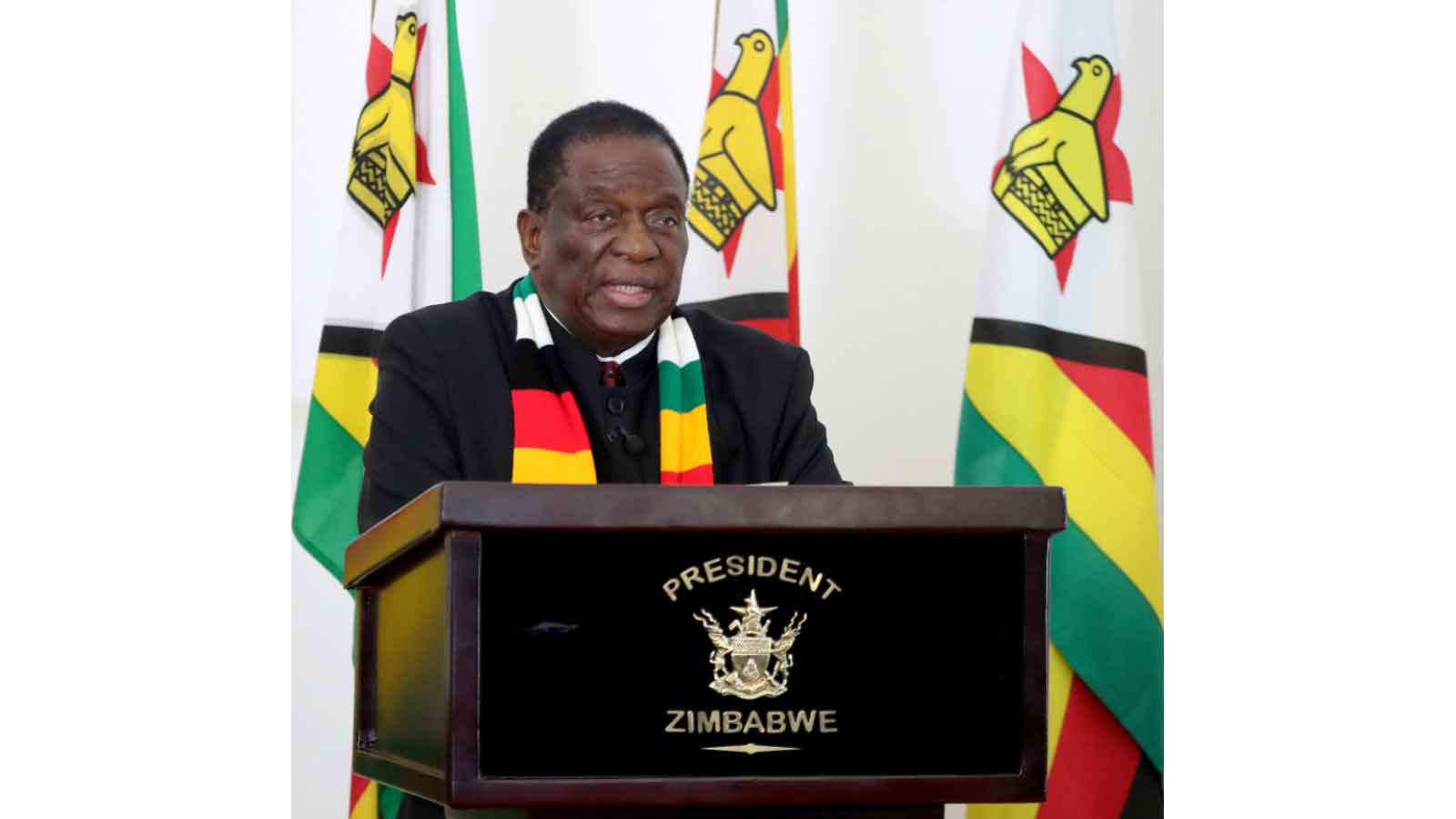
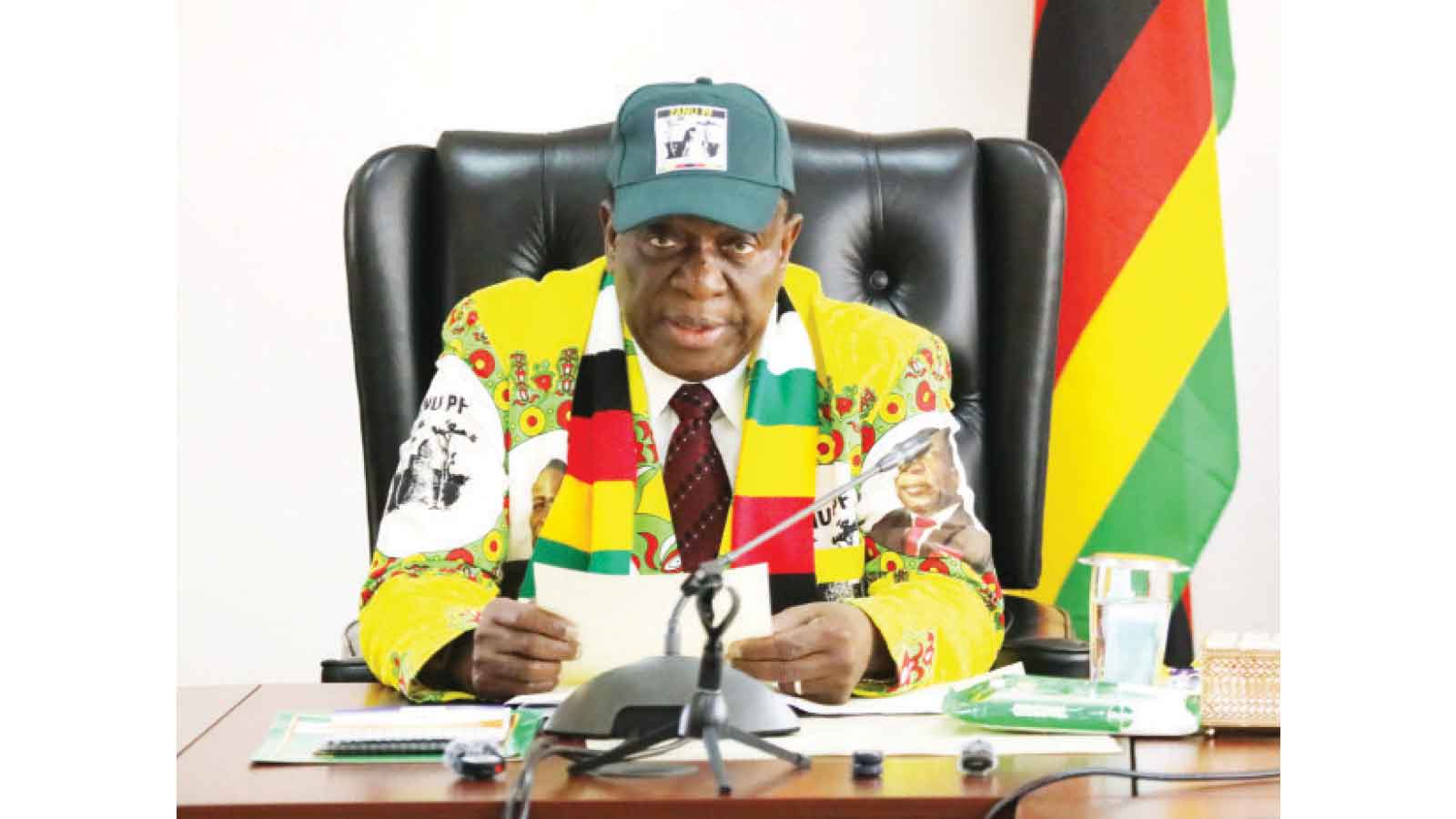
Discussions at the three-day meeting, officially opened by President Mnangagwa virtually yesterday, centred on the Solarising Africa Strategy, the Africa Solar Facility and Country Partnerships.
At the heart of the meeting is the ambition to unlock 200GW of solar capacity, signalling a potential shift in Africa’s renewable energy landscape from isolated small-scale projects towards coordinated, large-scale solar deployment.
The 7th meeting was held in Accra, Ghana, in 2025. Its theme focused on catalysing solar investments and strengthening institutional capacity across Africa.
The ongoing 8th meeting in Victoria Falls is building on those discussions. Africa has abundant solar resources, but access to capital, weak infrastructure, limited technical capacity and regulatory barriers continue to slow deployment.