Moffat Mungazi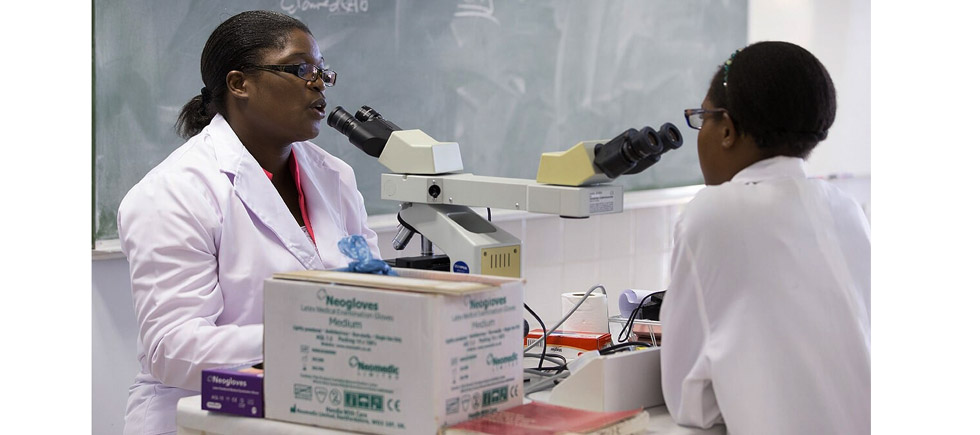
Lloyd Makonya
Correspondent
THE recent executive orders by US President, Donald Trump, to suspend funding to the United States Agency for International Development (USAID) have had devastating consequences globally, with Zimbabwe’s Africa University among the hardest hit.
The Pan-African United Methodist-related university, has seen its critical programmes on malaria and tuberculosis (TB) research grind to a halt.
The freeze has also left 30 employees working in these programmes without salaries.
The news was revealed by the United Methodist’s church news agency, UM News based in Tennesse, US, on their website.
The USAID funding suspension, which came into effect on President Trump’s inauguration day, imposed a 90-day freeze on foreign aid disbursements.
This decision has impacted USAID projects worldwide, forcing thousands of employees onto administrative leave, and halting essential development and humanitarian work.
At Africa University, the effects were immediate and dire.
The university reported a financial shortfall of US$1,2 million, directly tied to the funding cut.
Africa University’s Vice Chancellor’s Office was yet to respond to emailed questions at the time of going to print.
However, a staffer at the university who requested anonymity because they are not authorised to speak to the Press confirmed that the university was affected by the aid freeze.
President and chief executive officer of Africa University, Dr James H. Salley, lamented the devastating impact of the funding freeze on the institution saying: “The funding freeze has directly affected malaria research programmes at the university, leaving 30 employees unpaid, and forcing the suspension of life-saving projects that benefit millions in the region.”
The suspension of USAID funding underscores the urgent need for Zimbabwe to mobilise internal resources to sustain vital research programmes, particularly in areas such as malaria and tuberculosis.
The freeze has prompted calls for a strategic shift towards self-reliance in financing essential research and healthcare initiatives.
While Africa University has begun exploring alternative fundraising options, Dr Salley expressed doubt that private efforts alone could cover the US$1,6 million required to fill the gap left by USAID.
“When Covid hit, we had individuals who provided gifts specifically to keep people working,” Dr Salley recalled.
“So that is what makes me optimistic. I believe in people and folk coming to our assistance.”
The crisis has also spurred international outcry. Bishop Julius C Trimble, a top executive of the United Methodist Board of Church and Society, condemned the USAID funding freeze as “astounding, shameful, and deeply un-Christian.”
He urged concerned individuals to take action by contacting members of the US Congress to demand the restoration of USAID funding.
“Our shared United Methodist values compel us to help and not hurt the most vulnerable in our midst, which includes our global neighbours,” Bishop Trimble stated.
USAID, established in 1961 by executive order under President John F. Kennedy, has historically played a key role in global development, often partnering with faith-based organisations like the United Methodist Church.
However, the Trump administration’s decision to freeze and potentially dismantle the agency has sparked legal and humanitarian concerns.


 Online Reporter