

 Online Reporter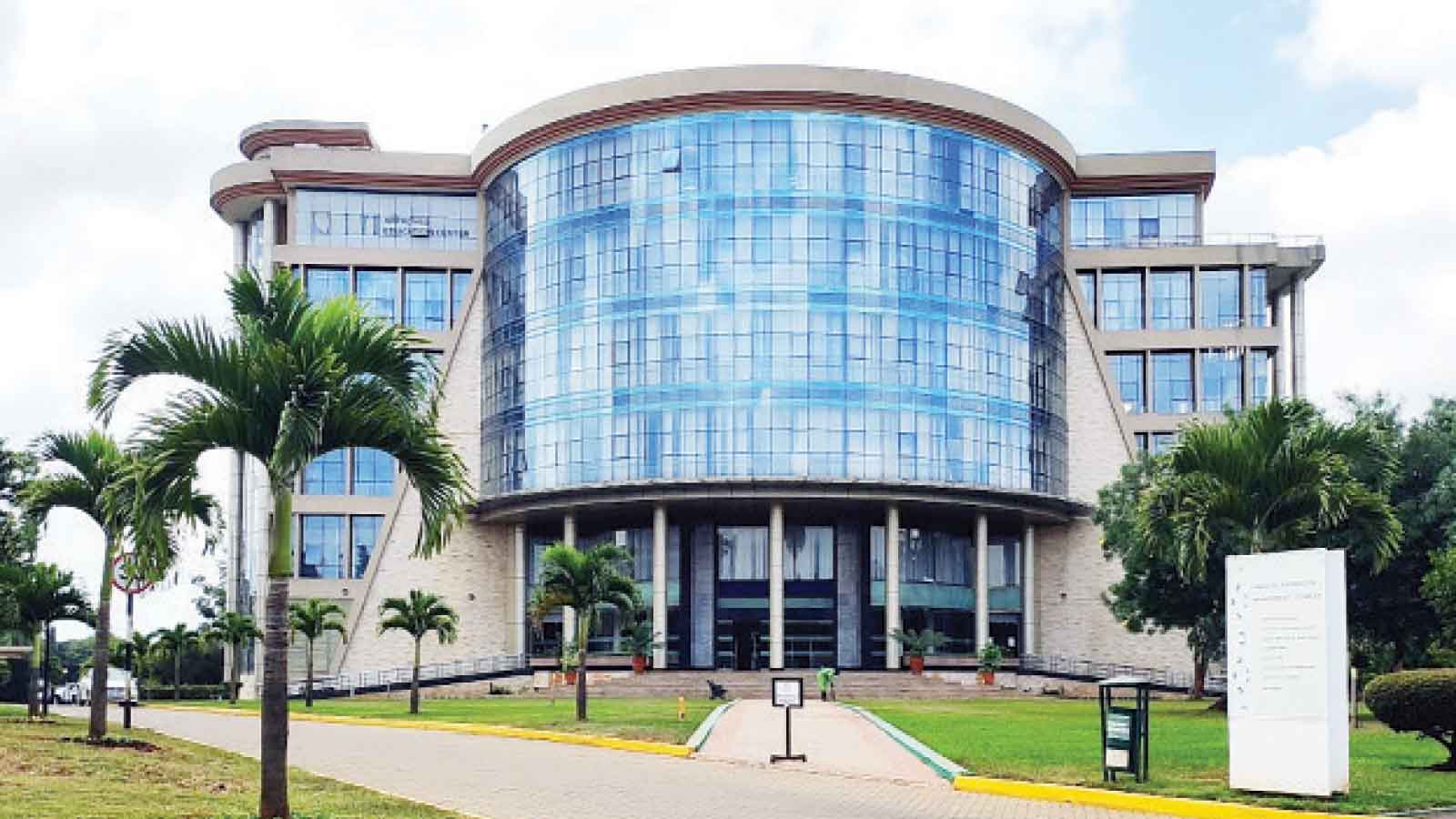
Herald Correspondent in NAIROBI, Kenya
THE Association of African Anti-Corruption Authorities has officially launched a continental study and research centre in Kenya.
The African Anti-Corruption Studies and Research Centre (CEREAC) will provide assistance in the form of research, training and technical support to various corruption-busting authorities across the African continent.
The AAACA is a pan-African organisation bringing together 45 national anti-corruption agencies from across Africa.
The centre was launched by Kenyan President William Ruto, during the ongoing 8th Annual General Meeting of the AAACA at the Central Bank of Kenya Institute of Monetary Studies here yesterday.
In a speech read on his behalf by the country’s Attorney General, Ms Dorcas Oduor, President Ruto said CEREAC will play a crucial role in generating research-based solutions tailored to the continent’s governance realities.
He called for comprehensive anti-corruption strategies that integrate prevention, enforcement, public education, asset recovery, transparency and citizen participation, adding that such measures were critical in achieving the aspirations of Agenda 2063, the African Union Convention on Preventing and Combating Corruption and the Sustainable Development Goals.
“Corruption today is no longer a localised or isolated phenomenon. It has become increasingly sophisticated, technologically enabled, and transnational in character,” said President Ruto.
“We need to confront corruption with the same determination and collective purpose with which we pursue economic development and regional integration by strengthening cooperation and innovation for effective elimination of corruption.”
However, President Ruto cautioned that technology alone cannot win the war against graft but must be combined with ethical leadership, institutional integrity, and commitment to the rule of law.
Kenya, represented by its anti-corruption agency, the Ethics and Anti-Corruption Commission, won the bid in 2023 to host CEREAC, beating Egypt, the outgoing President of AAACA.
Zimbabwe is being represented by the Chairperson of the Zimbabwe Anti-Corruption Commission Mr Michael Reza.
Mr Reza told the media here that Zimbabwe looked forward to tapping into the expertise to be shared at CEREAC.
“Technology is continually evolving and complicating the fight against corruption. We have reasonable suspicion that some proceeds of corruption are now being hidden as digital assets,” he said.
“At this point we lack the expertise to identify, trace and seize such proceeds. It is my sincere belief that the research institute will prioritise research into corruption trends and offer expert recommendations to tackle the challenges.”
Mr Reza also said there was need for new methods of anti-corruption education that appeal to younger audiences.
“The majority of our population in Africa is young. Information consumption patterns of these younger generations are different to what we are ordinarily used to. Our generations enjoyed reading newspapers, attending meetings at community halls and even listening to the radio,”said Mr Reza.
“We need to study their information consumption patterns and their preferred anti-corruption content that might be willing to give attention to.”
The conference brought together anti-corruption agencies, policymakers and governance experts from across the continent, highlighting growing recognition that technology, regional cooperation and strong institutions are essential in the fight against graft in Africa.
The current AAACA president, Retired Major General Hisham El-Rakaybi, said CEREAC was established to produce actionable strategies tailored to African institutional realities.
“The research centre is not a replica of existing international research bodies, but a distinctly African institution, anchored in African realities, designed to produce African solutions, and governed by African anti-corruption practitioners,” he said
Meanwhile, ZACC is expected to sign a Memorandum of Understanding with the EACC on the sidelines of the AGM.



