Chronicle Editor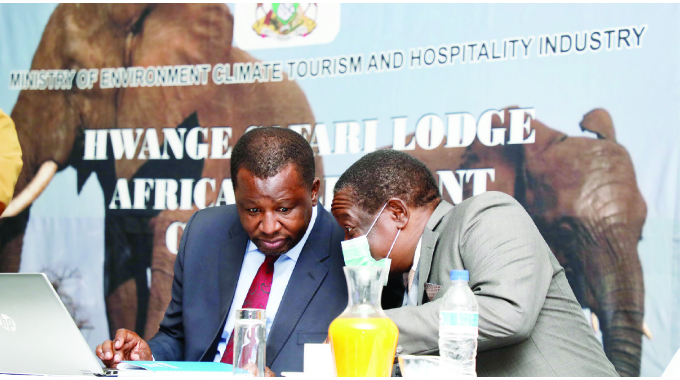
Leonard Ncube & Robin Muchetu in Hwange
THE African Elephant Summit kicked off yesterday amid calls for African countries to have common understanding and speak with one voice on matters affecting the continent.
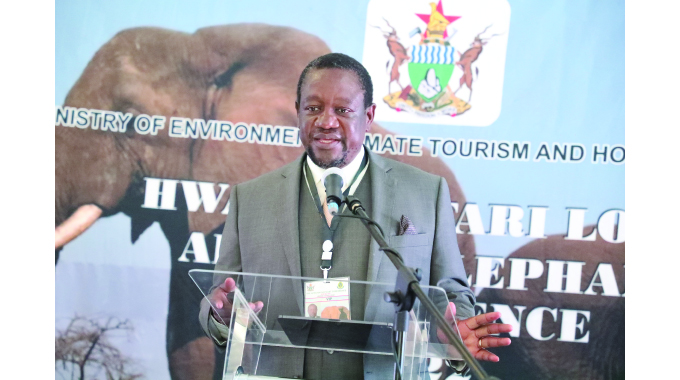
The countries with elephants on their land, known as Range States, are meeting in Hwange for an inaugural African Elephant Summit, which seeks to deliberate on wildlife conservation, particularly elephant management, human and wildlife conflict.
The aim is to come up with a common position ahead of the Convention on International Trade in Endangered Species of Wild Fauna and Flora (CITES) 19th Conference of Parties (COP 19) to be held in November in Panama.
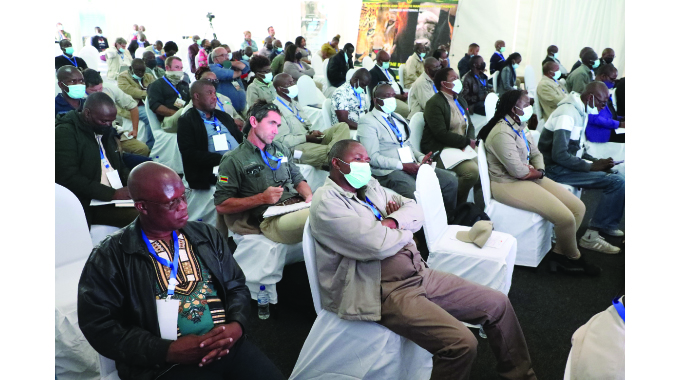
Zimbabwe, Angola, Botswana, Kenya, Mozambique, Namibia, South Africa, Rwanda, Mauritius, Lesotho, Madagascar, as well as Uganda, Eswatini, Tanzania, Zambia, Senegal, Democratic Republic of Congo (DRC) and Seychelles, are participating in the four-day conference.
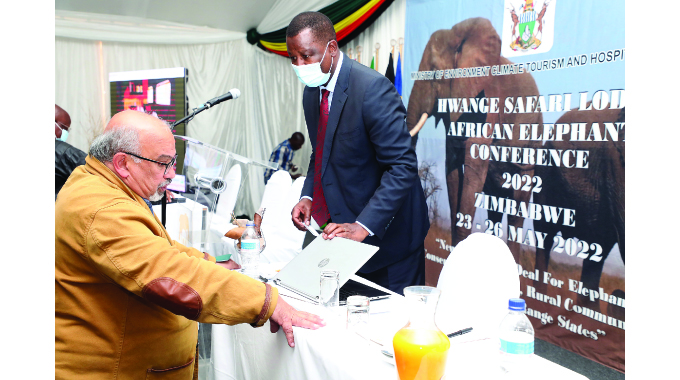
The meeting began with technical experts’ engagement yesterday and will culminate in a meeting of ministers with the official opening ceremony on Thursday.
While globally the elephant population seems to be declining, there is overpopulation in most Africa countries, Zimbabwe included, and this has resulted in escalation of human-wildlife conflict where people lose crops, lives and property to elephants that also destroy infrastructure.
The challenges are common among all Range States and sustainable conservation strategies, which entail culling and trade in animals products, are necessary and yet these are opposed by Western countries through CITES.
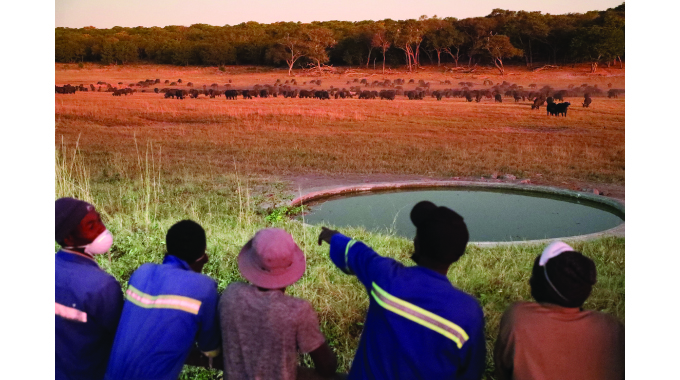
The summit is being strategically hosted at the Hwange National Park for participants to have first-hand experience of wildlife presence as opposed to decisions made by those that have never been to affected communities to witness conflict between animals and humans.
Zimbabwe, which sits on 136 tonnes of ivory, is using the summit to lobby for sale of wildlife products and already has the support of other countries especially Botswana, Zambia, Namibia and Tanzania.
Countries are also saddled with security and high costs of keeping stockpiles, which they are failing to sell because of trade ban.
The need to include voices of communities affected by human-wildlife conflict at CITES meetings was topical as participants expressed concern about their exclusion yet they are the ones affected.
Participants said listing African elephants into appendix 1 is influenced by voices of non-range states.
Zimbabwe Parks and Wildlife Management Authority director general Dr Fulton Mangwanya implored African states to come up with a common voice and avoid discord when they go to CITES COP 19.
“We were supposed to actually come up with a position so that when we go to CITES, we won’t have discord that usually happens,” he said.
“Whatever comes out of this meeting will definitely help when we go to Panama.
We really need to find out why we are having these diverging views and trying to oppose each other when we get to these international meetings.
“Non-state actors’ issues need to be addressed because you cannot say communities are not allowed to go and attend CITES when NGOs are going,” said Dr Mangwanya.
He said Africa should enhance collaboration towards science-based decisions adding that elephants should be a uniting force in the region.
Botswana’s director of Wildlife and National Parks Department, Dr Kabelo Senyatso, said there was a need for the region to coordinate anti-poaching, cutting transboundary movement of wildlife animal products and human-wildlife conflict.
“Elephants have increased opportunities for tourism but on the negative side they damage crops, water infrastructure while people lose lives through attacks,” he said.
“The purpose of this meeting is to see that each country knows what the other is thinking and we need as Africans to celebrate our similarities more than our differences because the areas where we differ are minor compared to where we share common threats due to risks we face.
“It will be pointless for one state to allow trade in a particular product and have their neighbour ban trade in that same product.
That will make it easier for criminals and detractors to penetrate hence we need a common position,” said Dr Senyatso.
Botswana is home to between 230 000 and 260 000 elephants, the biggest herd in the world and like many southern African countries, the jumbos stray into human settlements causing conflict with people.
Deputy director for wildlife monitoring and research in the Ministry of Environment and Tourism in Namibia Mr Kenneth Uiseb, Tanzania Wildlife Research Institute director general Dr Ernest Mjingo, director of National Parks and Wildlife in Zambia Ms Lusizi Mwale said their countries support the idea of trading in wildlife products as they are faced with a myriad of challenges including human-wildlife conflict, destruction of property, death of people,
Government and communal relations director in the United States based Conservation Force Mr Marco Pani, commended African governments for striving to promote conservation and livelihoods of people.
Earlier in his welcome remarks read on his behalf by Permanent Secretary, Mr Munesu Munodawafa, Environment, Climate, Tourism and Hospitality Industry Minister Nqobizitha Mangaliso Ndlovu, called upon African countries to create greater collaboration in wildlife management.
“Zimbabwe as a signatory to the CITES agrees with the premise that trade in endangered species and should be regulated. CITES should be helpful to allow trade that will have spin-off on elephant conservation,” he said.
“This is concerning to us, because trade is not the danger to elephants but habitat loss and conflicts with humans. Governments of elephant range states are faced with social and political pressures on why elephants are prioritised over their own life and livelihoods,” said Minister Ndlovu.
@ncubeleon @NyembeziMu


 Online Reporter