admin
admin
Crime Reporter
African police chiefs have adopted a series of far-reaching recommendations to boost the exchange of police data within the region in a bid to counter crimes of concern and terrorism.
This was revealed during the International Criminal Police Organisation (Interpol) 26th African Regional Conference which was held in Luanda, Angola this week, where the police chiefs agreed to increase information-sharing in multiple crime areas, from wildlife trafficking to counter-terrorism.
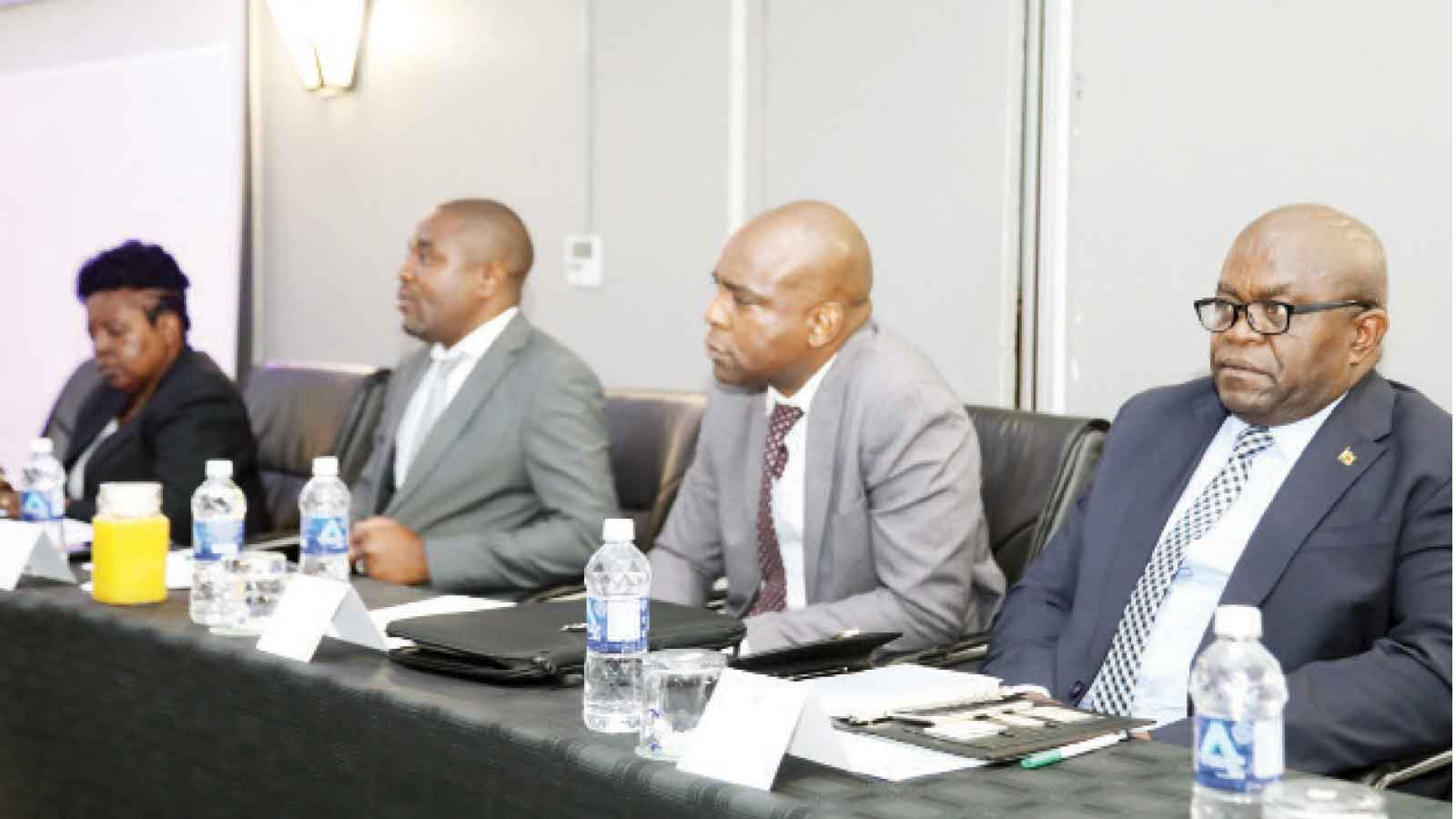
Over three days, Interpol’s 26th African Regional Conference brought together more than 160 senior police leaders from 36 countries in Africa and around the world.
According to Interpol, with the amount of data that countries across the region share growing by seven percent in the past year, even greater information sharing within and beyond Africa is seen as a necessary condition to effectively address global crime threats.
Taking place as the global police organisation marked its 100th anniversary, the conference brought together more than 160 senior police leaders from 36 countries in Africa and around the world.
Vice-President for Africa on Interpol’s executive committee, who chaired the conference, Mr Garba Baba Umar said: “Interpol’s tools and services automatically connect police forces internationally, but we have not fully exploited this investment.
“We have a common vision for a safer Africa, set as a building block for the security of our globe.”
Interpol’s Africa strategy, which was adopted by delegates on the final day of the conference, will seek to strengthen the exchange of “actionable information” through a set of targeted projects.
Reinforcing strategic partnerships with the African Union and regional police chief organisations will also be prioritised, with initiatives such as the Interpol Support Programme for the African Union (ISPA) demonstrating tangible results.
Deputy Chairperson of the African Union Monique Nsanzabaganwa said, “INTERPOL is a benchmark for successful cooperation. Because, without cooperation and exchange of information, global security and stability are threatened.
“Every year, Africa loses on average US$60 billion in illicit financial flows, and more than US$140 billion to corruption. The African Union will continue to rely on African police through AFRIPOL, Interpol and police in member states to respond to these threats.”
Specific recommendations on strengthening cooperation against environmental crime and terrorism were also approved.
Noting that illegal online wildlife markets continue to grow at an alarming rate, delegates agreed to monitor and assess advertisements and social media groups to verify the extent and nature of their content, as well as to initiate national cyber wildlife investigations.
INTERPOL’s Africa strategy notes that environmental crime continues to increase, further exacerbating the negative impact of climate change affecting the region.
A major source and transit region for environmentally sensitive commodities that are exploited and illegally trafficked to the rest of the world, Africa is a destination region for waste and other pollutants, often illegally trafficked and disposed of.
Terrorist activity has also increased in Africa, according to Interpol’s 2022 Global Crime Trend report, particularly since the territorial collapse of the Islamic State (Da’esh).
Delegates resolved to leverage emerging technologies to better detect and disrupt terrorist movements across borders through increased regional and global police data-sharing.
Africa hosts more INTERPOL member countries than any other region, representing nearly one third of the Organisation’s membership. The continent also hosts four of Interpol’s six regional bureaus in Abidjan, Harare, Nairobi and Yaoundé.
Noting the need to strengthen Regional Bureaus as a tool to provide tailor-made support to African member countries, delegates agreed to enhance the analytical capacity of Interpol’s African regional bureaus by increasing the frequency and volume of data provided to them.
In turn, the regional bureaus agreed to plan and conduct regular joint operations with African regional police chief organisations targeting terrorism, cybercrime and transnational organised crime. As part of this partnership, joint annual action plans will be developed based on regional threats and member country needs.



 Online Reporter