

 Online Reporter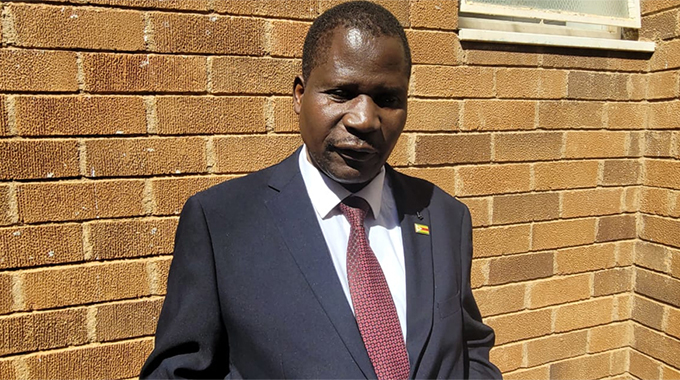
Takunda Gambiza in BULAWAYO
AFRICAN research councils have presented a united front in advancing science, innovation, and sustainable development, sharing success stories of growth and collaboration at the 2025 Global Research Council (GRC) Sub-Saharan Africa Regional Meeting and Science Granting Council Initiative (SGCI) Academic Symposium in Bulawayo.
The session, themed, “Stories of Growth, Impact, and Collaboration”, brought together Africa’s national research bodies to showcase achievements and outline future priorities.
Delegates emphasised that Africa’s strength lies in collective action, with councils aligning their work to regional and global agendas.
Speaking at the session, Research Council of Zimbabwe executive director, Dr Partson Chikudza, said the council’s vision is tied to the national goal of achieving an upper middle-income economy by 2030.
He highlighted reforms since 2020, including revamping funding guidelines, digital grant management systems, and impact analysis frameworks.
Success stories include community livelihood projects with Midlands State University, the Kota project with Middlesex University to cut production costs, and biofertilizer initiatives to boost agricultural productivity.
“We are an evidence-based Government. We focus on evidence-based research, mobilise resources, and facilitate collaboration to promote knowledge sharing,” said Dr Chikudza.
The chief executive officer of the National Research Fund under the Ministry of Innovation and Technology in Ethiopia Dr Habtamu Goshu, described the Southern Ethiopia Research Grant as a milestone for mainstreaming science, technology, and innovation.
Dr Goshu said the grant bridges academia, government, and industry, aligning with Ethiopia’s development agenda and Africa’s sustainable development goals.
He added that Ethiopia is also finalising the establishment of a National Research Foundation to enhance visibility and foster partnerships.
“Our mandate is to strengthen national research capacity through institutional and individual grants, promote innovation, and drive knowledge transfer,” said Dr Goshu.
Director of Research, Statistics, and Information Management at the Ministry of Environment, Science and Technology, in Ghana, Dr Cephas Mensah, outlined the country’s progress in building a science, technology, and innovation ecosystem.
Dr Mensah said Ghana has developed a comprehensive research and innovation framework to guide how research impacts policy and society, with emphasis on inclusivity and private sector participation.
The Ghana National Research Fund continues to provide financial resources to support initiatives, with recent efforts focused on integrating gender equality and inclusivity into grant frameworks.
“We are proud to have developed national Science, Technology and Innovation policy (STI) documents and ecosystem mapping that align with both regional and global agendas, including open science and sustainable development goals,” said Dr Mensah.
Dr Chikudza said Zimbabwe’s role as host was not only to showcase its own progress but to provide a platform for Africa’s collective voice.
“This gathering demonstrates that when African research councils come together, we can share lessons, build capacity, and shape solutions that speak to our realities,” he said.
“Hosting this meeting in Bulawayo is our commitment to ensuring that Africa’s research agenda is united, impactful, and globally recognised.”



