Siphakeme .Mnindwa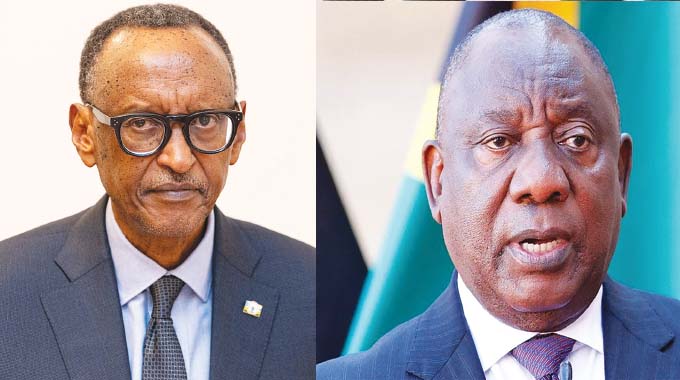
Kennedy Mandaza, [email protected]
THE political turmoil in the eastern Democratic Republic of Congo (DRC), which necessitated the SADC Extraordinary Summit held in Harare on January 31, continues to spiral out of control, threatening to destabilise not just the country itself but the entire Great Lakes region and undercut regional peace.
In the face of the growing insecurity and humanitarian disaster, the involvement of regional organisations such as the East African Community (EAC), the Southern African Development Community (SADC) and the African Union as the continental body, has become more pressing than ever.
The call for a political solution spearheaded by Africans is now urgently needed more than ever. However, the failure to deliver decisive solutions to this conflict raises the question: Why are African countries struggling to solve the continent’s crises on their own?

As the conflict grows more complex, this bolsters the call for an urgent need for African-led solutions to ensure peace, stability and security in the region.
Regrettably, for over two decades, the DRC has been embroiled in conflict, with armed groups controlling vast swathes of territory, particularly in the mineral-rich eastern regions. This crisis, which is deeply rooted in historical, ethnic, and political tensions, has been exacerbated by foreign involvement, including regional actors. This has led to the killing of thousands of people, millions displaced, and left the country faced with one of the world’s largest and most protracted humanitarian crises.
The EAC, which includes countries such as Rwanda, Uganda, Kenya and Tanzania, and SADC, represented by South Africa, have both made efforts to mediate peace. Unfortunately, the involvement has failed to produce a comprehensive, sustainable solution.
This highlights the limitations of these regional bodies and the necessity for stronger, more co-ordinated African action. International peacekeeping efforts, including the UN’s Monusco mission, have equally largely failed to bring lasting peace in the region, further highlighting the urgent need for African-led solutions.
It is therefore, a no brainer that the EAC and SADC should be the primary regional organisations spearheading the resolution of the conflict in the DRC. Both have the institutional capacity and the mandate to broker peace and ensure stability in the region.
The unity and collaboration of the regional bodies is a critical ingredient in the resolution of the crisis and is needed now more than ever.
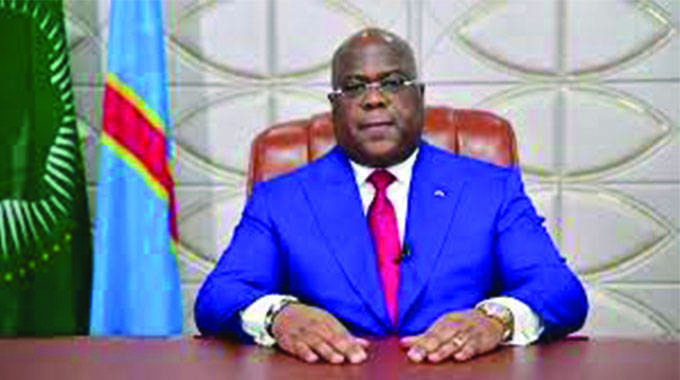
In recent extraordinary meetings, both the EAC and SADC expressed interest to meet to clear the hurdles impeding collective response to the crisis. The need by both the EAC and SADC to have diplomatic engagement and pressure for dialogue is commendable. This call is urgent and requires African leaders to set aside their differences and work together to forge a comprehensive, inclusive and sustainable peace process that reflects the needs of the Congolese people in particular and Africa in general.
The EAC, at a summit in December 2024, endorsed the deployment of a regional peacekeeping force to protect civilians and combat rebel groups. This intervention, however, seems to have been fraught with challenges, including a lack of political consensus and financial resources.
The presence of Rwanda within the EAC, which has been accused of supporting the M23 rebel group, has created a diplomatic dilemma. Rwanda’s alleged support for the rebels has intensified tensions with the DRC and its allies, particularly South Africa, which has called for a more diplomatic approach.
Recently, the EAC has been particularly active in seeking a resolution. They have been pushing for stronger military interventions against rebel groups, such as the M23. Proposal for the deployment of a regional peacekeeping force has been made, but the lack of co-ordination between member states, coupled with insufficient funding and political will, has hampered the implementation of this plan.

Similarly, SADC, led by South Africa, has taken a more diplomatic approach. South Africa has called for dialogue between all parties involved, including the DRC government and the rebel groups. In addition, South Africa has sent troops to the conflict area as part of a SADC’s peacekeeping force. Despite these efforts, there is discord to the cause of the conflict and preferred resolution to the conflict. This diplomatic discord has added fuel to the fire, showcasing the fractured nature of the regional approach.
The recent spat between South African President Cyril Ramaphosa and Rwandan President Paul Kagame exemplifies the discord within the African leadership. South Africa, part of SADC, has accused Rwanda of exacerbating the conflict by backing the M23 militia, a claim that Kagame vehemently denies. The SADC communique also cited Rwanda as an active actor in the conflict, which Rwanda denied too. This public disagreement undermines efforts to present a unified African position, thus stalls meaningful action on the ground. The political friction between South Africa and Rwanda, both influential in their respective regional blocs, only adds another layer of complexity to resolving the conflict.
Sadly, the consequences of these failures are dire and have far-reaching impact on the ordinary men and women, young and old in the region and Africa in general. The ongoing violence in the DRC should not be viewed as a national crisis but an Africa one.

The instability in DRC threatens to spill over into neighbouring countries such as Uganda, Rwanda and Burundi, which already have all been impacted by refugee flows and cross-border militia activity. This fragility of the Great Lakes region as a whole undermines broader peace, infrastructure projects and economic development that is vital to Africa’s growth hence the need for concerted effort for African solutions.
African solutions to the crisis in the DRC must be a multi-pronged approach. This must not involve only a military response but also a robust diplomatic effort to address the root causes of the conflict. Lasting peace must include the disarmament of rebel groups, reconciliation among Congolese communities and the establishment of a political framework that includes all stakeholders, including marginalised ethnic groups.
Crucially, regional organisations such as the EAC and SADC must put aside their differences and work together to ensure a unified, comprehensive approach. Only through a collaborative African effort can the cycle of violence in the DRC be broken, restoring peace to the region and safeguarding the future of Africa’s Great Lakes nations. The silencing of guns in Africa should not be rhetorical but a mission, which African leaders should address with great determination.
It is time for African nations to step up and take responsibility for solving the crisis in the DRC. The interests of the people of DRC and the Great Lakes region should be interests of all Africans regardless of their country and region. Regional bodies such as the EAC and SADC must act decisively and African solutions must prevail if there is any hope of restoring peace and stability to the DRC and the wider region. The people of the DRC and of Africa, deserve no less.


 Online Reporter