

 Online Reporter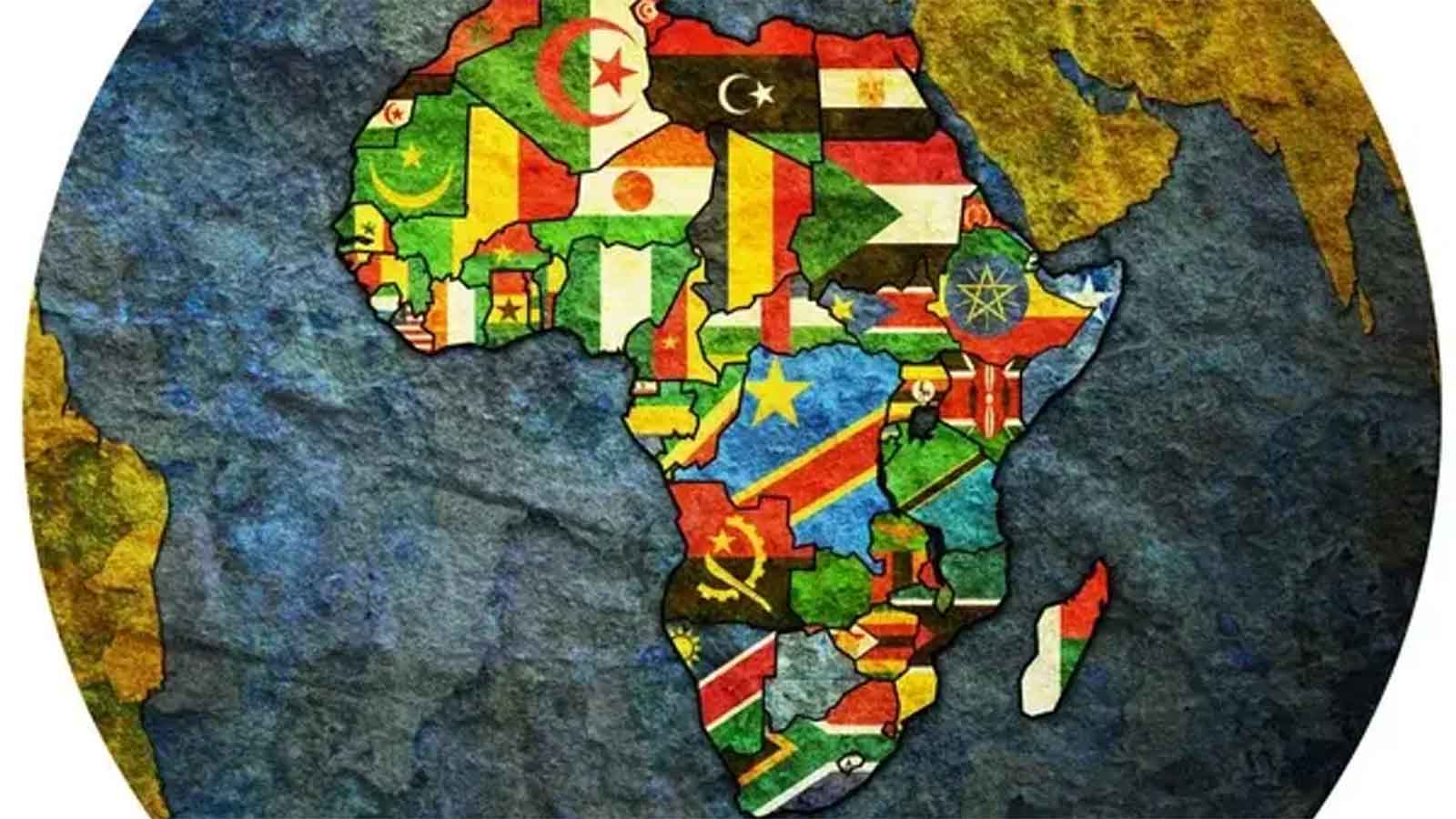
Flora Teckie-Bahá’í Perspective
Africa Day on May 25 was a reminder of the immense potential inherent in our continent, both materially and spiritually, and its contribution to global civilisation.
According to the Bahá’í Writings, the people of the African continent have “a great contribution to make to the advancement of world civilisation”.
One example is Africa’s tradition of the extended family — a defining feature of many communities and nations in our continent. This ensures that many who are vulnerable and needy are cared for and supported. Of course, care must be exercised that such positive qualities are not abolished through urbanisation of life and materialism.
To make full use of the great potential in our continent and to build a better Africa and a better world, we need to reflect on questions such as racial and tribal unity.
According to the Bahá’í Writings “One of the important questions, which affect the unity and the solidarity of mankind is the fellowship and equality of the white and coloured races”.
The Bahá’í Writings compare the indigenous people of Africa, “to the black pupil of the eye”, through which “the light of the spirit shineth forth” and express the hope that “the power of the Kingdom will bind’ black and white races in friendship”. There is, Bahá’u’lláh insists, but one human race; inherited notions that a particular racial or ethnic group is in some way superior to the rest of humanity are without foundation.
Unity of races and ethnic groups is a requirement for the well-being of our continent and its contribution to building a better world.
The Bahá’í Writings state “that the various races of humankind lend a composite harmony and beauty of colour to the whole. Let all associate, therefore, in this great human garden even as flowers grow and blend together side by side without discord or disagreement between them” and “Let them look not upon a man’s colour but upon his heart. If the heart be filled with light, that man is nigh unto the threshold of his Lord; but if not, that man is careless of his Lord, be he white or be he black”.
Racial and tribal conflict, in Africa and across the world, stems from the false belief that humanity is made of separate and distinct races or tribes with unequal capacities, which justify different forms of treatment.
“The reality is that there is only one human race. We are a single people, inhabiting the planet Earth, one human family bound together in a common destiny, a single entity created from one same substance”, as the Bahá’í International Community states.
The reality of human oneness is fully endorsed by science. Anthropology, physiology, psychology, sociology and genetics demonstrate that there is only one human species, although infinitely varied in the secondary aspects of life.
Discriminations due to differences of race or ethnic group will be eliminated only when the peoples of our continent and the world believe in the oneness of humankind, and proceed to reconstruct their lives and their societies on that basis. The principle of human oneness is not a vague hope or slogan. It reflects an eternal spiritual, moral, and physical reality.
To overcome the current prejudices and to accept the oneness of humanity, there is a need for a profound change of heart and a new mind-set. It requires returning to a state of spiritual awareness and responsibility. Adherence to moral and spiritual principles are the practical bases for social transformation and acceptance of the oneness of the human family.
This year’s Africa Day theme was “Education Fit for the 21st Century”. Education, both intellectual and spiritual, plays a crucial role in the advancement and upliftment of individuals and communities.
Lack of access to education – a fact of life for large populations in our continent and many other parts of the world – is a reason for people to fail to recognise their abilities, talents, capabilities, as well as their rights.
Emphasising the importance of providing education to everyone, the Universal House of Justice, the international governing council of the Bahá’í Faith, states: “The cause of universal education deserves the utmost support that the governments of the world can lend it. For ignorance is indisputably the principal reason for the decline and fall of peoples and the perpetuation of prejudice. No nation can achieve success unless education is accorded all its citizens”.
Africa has great potential, and education can play a key role in building a better and peaceful Africa and a better world. Education is the most effective way of harnessing the power of the values, attitudes, behaviours and skills of individuals towards creating healthier communities.
Feedback: [email protected] or [email protected]: www.bahai.org



