Online Reporter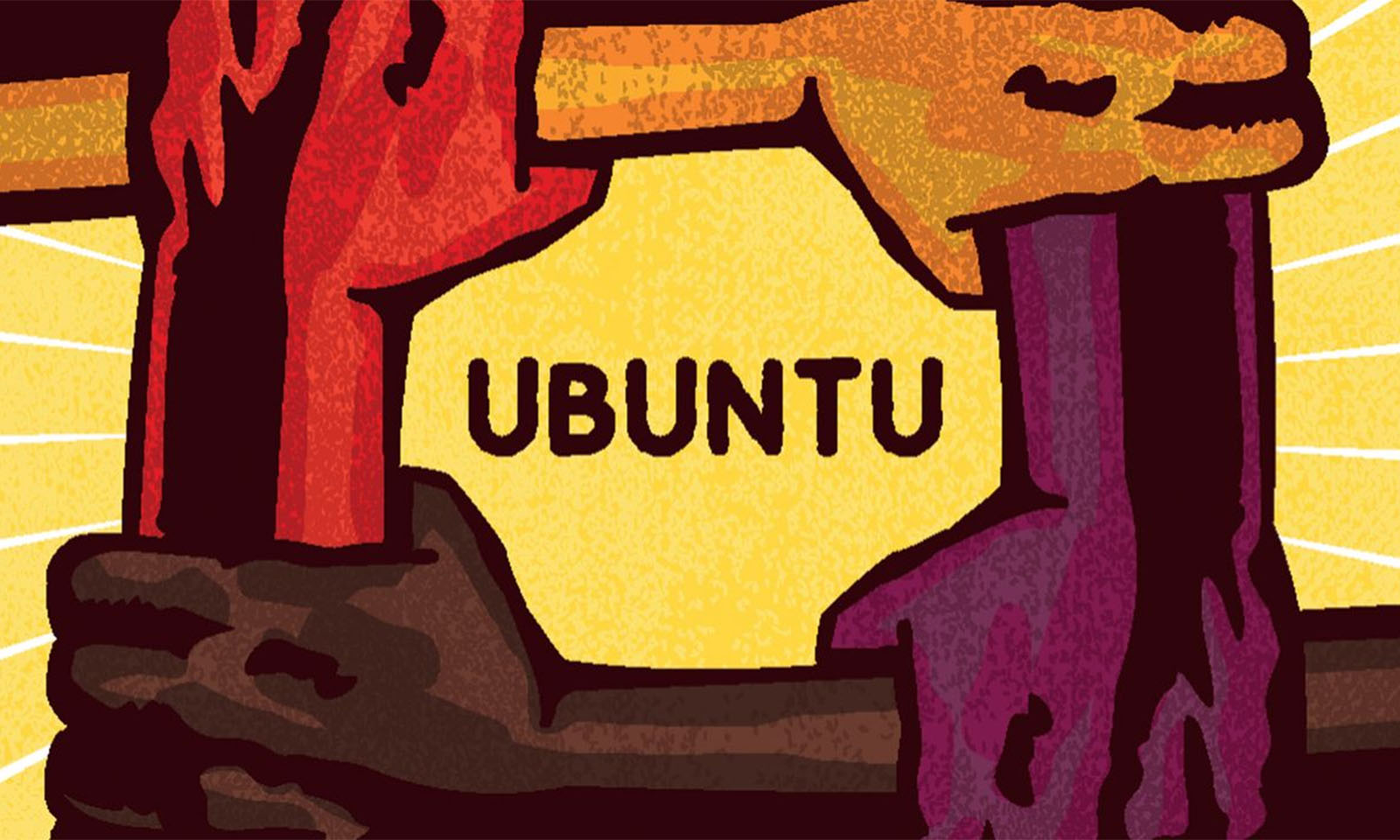
Nixon Chekenya
ON March 24, 2025, I attended Professor James Robinson’s keynote address at the CSAE Conference on Economic Development in Africa at the University of Oxford.
Prof Robinson, an economist and political scientist affiliated with the University of Chicago and is best known as co-author of “Why Nations Fail”, made a simple but powerful argument: Africa’s true wealth lies not in minerals or markets, but in its people and the social institutions they build together.
In his lecture, he reminded us that Africa contains extraordinary political and social diversity — “some 42 000 distinct polities”, he noted — not as a sign of weakness but vibrancy.
Politics is happening all the time in village assemblies, councils and communities.
This challenges the assumption that democracy only exists through the ballot box. In much of Africa, it thrives in consensus, dialogue and participation.
The ethic of Ubuntu — “I am because we are” — captures this collective spirit.
To understand Ubuntu in practice, we need only look to the communal institutions that have sustained African societies for generations.
In Zimbabwe, the practice of nhimbe illustrates this vividly.
When a household needed to plough its fields, build a home or harvest a large crop, neighbours would gather in solidarity.
The host provided food and drink, while labour was pooled for the common good.
No money changed hands, but wealth was created collectively — fields were tilled, homes were built and harvests were secured. Nhimbe was not charity; it was an investment in community, where everyone knew their turn would come.
Similar traditions exist across the continent: ilima in South Africa, harambee in Kenya and chilimba in Zambia.
These gatherings were not only economic engines but also systems of social insurance.
They embedded trust, reputation and accountability in ways that modern markets often overlook.
Where Western finance relies on property deeds and credit scores, African communities relied on honour, kinship and shared responsibility. The lesson is clear: Africa’s development cannot be imported wholesale from Western templates.
In New York and London, banks demand hard collateral.
In Harare, Soweto, Lusaka or rural Murewa, the true collateral can be reputation and social bonds.
Reimagining finance through Ubuntu would unlock credit for smallholder farmers, informal traders, entrepreneurs and low-income but economically active rural households currently excluded from formal banking. Group lending models inspired by nhimbe, or rotating savings clubs such as mukando, built on trust, can expand financial inclusion while reducing default risk through peer enforcement.
But Ubuntu is not limited to economics.
Prof Robinson contrasted the “classical” model of democracy — where formal rules can concentrate power — with African traditions of consensus, where decisions are legitimated by discussion.
Strengthening ward committees, residents’ associations and cooperatives would align governance with how people already solve problems: together.
Just as nhimbe builds harvests, community assemblies can build trust, legitimacy and durable institutions.
None of this denies Africa’s challenges.
Corruption, inequality and weak states remain serious constraints in some jurisdictions. Yet the wellspring of resilience is equally real: people, networks and the ability to act collectively.
If we design policies on that foundation — Ubuntu not as rhetoric but as practice — we can expand access to finance, deepen participation and accelerate inclusive growth. Africa’s wealth lies not under the soil but within its people.
The challenge is to modernise traditional practices like nhimbe, harambee and chilimba for today’s context without stripping them of their essence.
When governments, civil society and businesses work with — not against — these communal logics, the continent will chart a development path true to its heritage.
The future of Africa will not be built by abandoning traditions of cooperation but by updating them for the 21st century.
Ubuntu teaches us that prosperity is a collective endeavour.
Let us listen, remember and build accordingly.
Nixon S. Chekenya is a Zimbabwean scholar pursuing a PhD at Texas Tech, United States.