Hon. Shacky Timburwa-The Strategic State
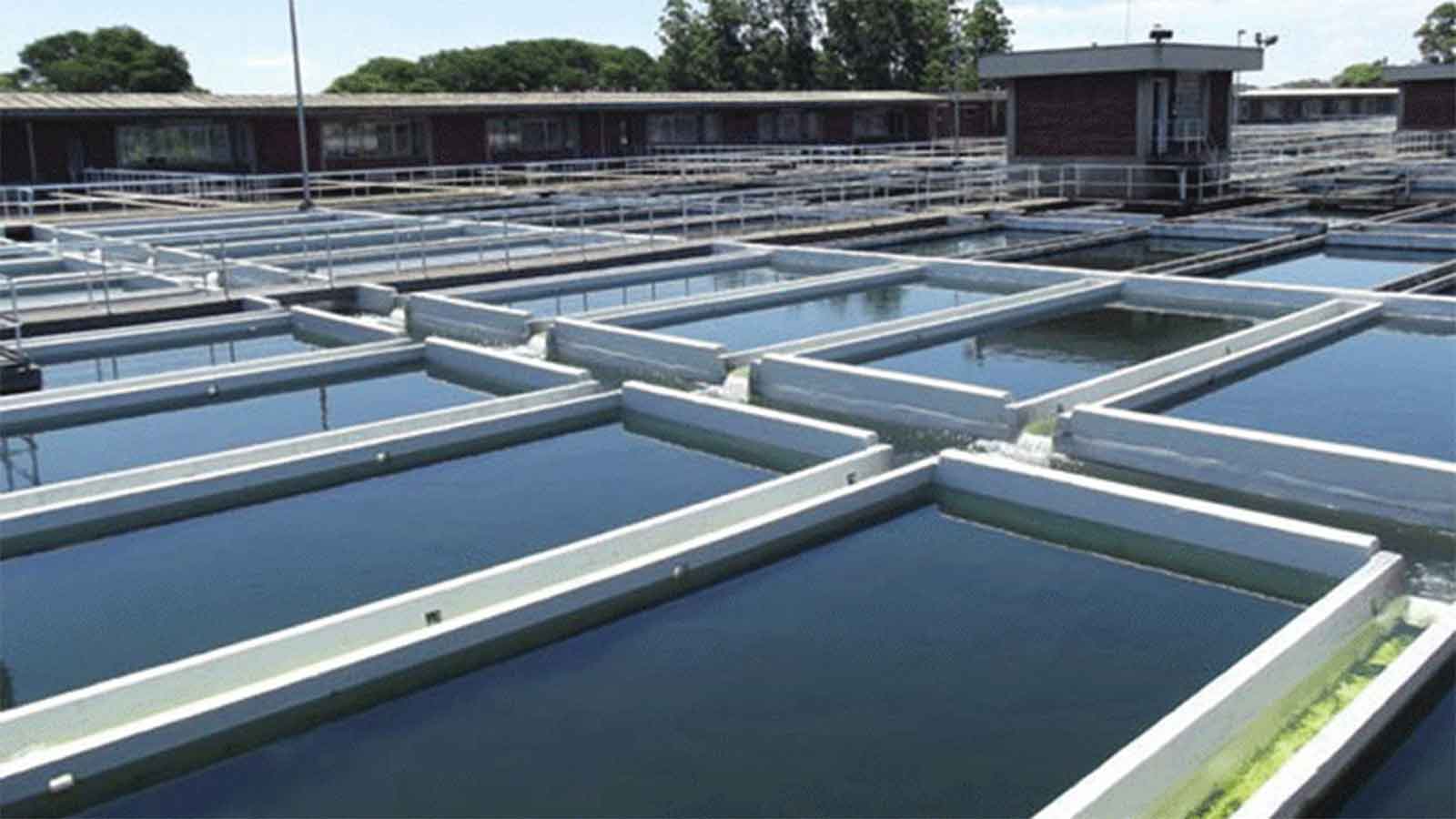
A TOWN can receive a new water treatment plant and still have households storing buckets in their kitchens.
The plant may be sound, the pipes connected and the opening ceremony well attended.
Yet water reaches a home only if somebody can buy treatment chemicals, pay for power, repair a failed pump and organise the next shift.
When we say that a water project is complete, which of these obligations have we actually completed?
That question deserves attention as Zimbabwe begins examining the practical implications of the 2027 National Budget.
The Budget presented on November 19, provides the immediate occasion.
Treasury’s infrastructure programme identifies rehabilitation and expansion of water systems, treatment facilities and distribution networks among its priorities.
It also recognises the need to improve the financial viability of local authorities.
These commitments belong in the same conversation.
Under President Mnangagwa’s national development agenda, investment in water can enlarge what communities and enterprises are able to do.
Its enduring value depends on the operating arrangements that accompany the concrete, machinery and pipes.
A household experiences this distinction in hours rather than engineering specifications.
A predictable supply allows somebody to leave for work without waiting beside a tap.
A school can organise cleaning, and a food processor can plan production.
Where supply is intermittent, households and firms must make their own arrangements for storage and alternative sources.
These costs rarely appear in the construction budget.
They nevertheless determine how much benefit the investment delivers, particularly to people with the least money to provide a private substitute.
The institutional problem begins with the different horizons of construction and operation.
A contractor may be paid to install equipment and demonstrate that it works.
The operator must keep it working through changing revenues, staff departures, power interruptions and wear and tear.
A capital grant can finance a pump without providing the income needed to operate it.
An allocation for rehabilitation, therefore, needs an accompanying account of who will run the service, what it will cost and how essential expenditure will be met.
Uganda offers an instructive historical example.
Its National Water and Sewerage Corporation used internal management contracts to connect the national utility’s objectives with the responsibilities of local operating teams.
World Bank accounts describe targets covering water losses, collections and connection efficiency, alongside greater managerial discretion and performance incentives.
The relevant idea is that a local manager receives a defined task and some authority to accomplish it.
Responsibility becomes more credible when the person answering for results can influence the decisions that produce them. Zimbabwe cannot simply reproduce Uganda’s arrangements.
Local authorities operate within their own legal and financial responsibilities, and towns differ in water sources, networks and household incomes.
Performance incentives can also mislead: rewarding collections alone may encourage attention to customers who are easiest to bill, while settlements needing expensive extensions wait.
The useful lesson is to agree responsibilities and resources together, then assess several dimensions of service.
Revenue matters because it sustains supply; safe and accessible water remains the purpose for which the revenue is collected.
For selected rehabilitation projects, I would propose an operating agreement prepared alongside the engineering design.
The funder, asset owner and responsible operator would identify the communities to be served, the condition of the existing network and a realistic service objective.
The agreement would state who pays for electricity, chemicals, routine repairs and major replacement.
It would distinguish costs covered by tariffs from those requiring an explicit public contribution.
A grant should leave the operator with a workable service obligation and a credible means of meeting it.
This work requires attention to sequence.
Increasing treatment capacity will accomplish less if the receiving network loses much of the additional water or cannot maintain pressure at distant connections.
An engineering assessment should establish whether the next dollar is best spent on production, distribution repairs, storage or measurement.
Some towns will urgently need additional capacity.
Others may gain more initially by making existing assets dependable.
A published explanation of that choice would help residents understand why an underground repair can deserve priority over a more visible new structure.
The first operating year should be costed before construction is finished.
Managers need trained staff, essential spare parts, testing arrangements and a realistic estimate of energy consumption.
They also need to understand seasonal changes in the source and treatment requirements.
Where initial assumptions are uncertain, commissioning should include a period of measured operation and adjustment.
Contractors’ warranties and the operator’s maintenance duties must be clear enough to settle whether a failure reflects defective installation, inadequate upkeep or a problem outside either party’s control.
Those arrangements should survive changes of personnel, with records accessible to the next engineer or manager who assumes responsibility for the service.
There is a serious objection: insisting on a financially credible operating plan may delay investment in the communities that need it most.
Poor households cannot always pay a tariff that covers the full cost of service. Small or dispersed settlements may be intrinsically expensive to supply.
If investment decisions depend exclusively on commercial returns, the places least able to finance their own improvement could remain excluded.
National development requires a response to that problem, rather than an accounting method that makes it disappear.
The response is to make the public contribution explicit.
Where household payments cannot reasonably sustain a necessary service, the operating plan should identify the subsidy, its intended beneficiaries and its dependable source.
A tariff concession that nobody funds becomes an instruction to the operator to absorb a loss.
Equally, higher charges should not become a substitute for addressing leaks, inaccurate billing or avoidable costs. Affordability and operational discipline must be considered together, with accessible procedures for households to challenge incorrect bills and obtain assistance where eligibility is established.
Accountability should then follow the water through the system.
Report supply continuity by service area, water quality against applicable standards, interruptions and the time taken to restore service.
Check reported performance against sampling and residents’ experience.
Town-wide averages can conceal a neighbourhood receiving little improvement.
Parliament and local representatives can ask whether the operating resources promised at approval were supplied, whether the operator fulfilled its duties and whether remaining obstacles require action from another institution.
Such scrutiny gives responsibility a practical address.
Treasury’s investment programme creates an opportunity to connect the funding of assets with the funding of reliable services.
The construction milestone will still matter: communities need to know that promised works have been delivered.
But years afterwards, the investment will be judged in kitchens, classrooms and workshops.
A parent should not need to understand an operating agreement to benefit from it.
Its success will be apparent when the household can plan tomorrow because the water it needs is likely to arrive.