Online Reporter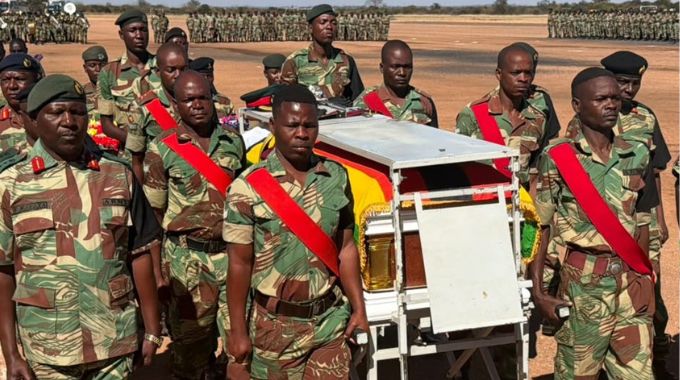
Guest Writer
THE haunting image of four coffins at Barbourfields Stadium will remain etched in the hearts of Highlanders supporters for generations. On a ground where thousands have celebrated league titles and unforgettable victories, there were no songs this time. Only tears, silence and the painful realisation that Bosso had lost not just leaders, but custodians of its identity.
The deaths of chairman Retired Colonel Kenneth Mhlophe, vice-chairman Sifiso Siziba and treasurer Nkani Khoza in a road accident while returning from Kariba have plunged Highlanders into one of the darkest moments in its 100-year history.
Football clubs lose matches, trophies and players. Losing three senior executive members in one tragedy is something altogether different.
Highlanders is more than a football club. It is a cultural institution, a symbol of Bulawayo’s pride and a unifying force for generations.
That is why the tragedy has drawn national mourning, with Government granting the trio State-assisted funerals and President Mnangagwa describing the loss as one for the nation, not just Bosso.
While the grief will slowly ease, the leadership vacuum remains.
Every successful club depends on strong administration. Chairpersons set direction, vice-chairpersons provide stability and treasurers safeguard finances. Losing all three at once creates uncertainty for a club already battling financial pressures, fierce competition and the expectations of one of Africa’s most passionate fan bases.
For now, the focus must remain on mourning and supporting the bereaved families. Football can wait.
But not forever.
Soon, difficult questions will demand answers. Who steadies the ship? Who reassures sponsors? Who keeps long-term projects alive? Who preserves the institutional memory that departed with three experienced administrators?
No club wants to confront such questions under these circumstances.
Yet Highlanders has always shown remarkable resilience. Bosso has survived financial crises, player departures, coaching changes and long waits for league success. Through every setback, one constant has remained: its supporters.
They buy memberships when money is scarce. They pack Barbourfields even when results disappoint. They defend the badge through triumph and heartbreak alike.
Now that unity will face its greatest test.
The board, executive, life members, sponsors, former players and supporters must ensure grief does not give way to division.
The succession process must be handled with dignity, transparency and the long-term interests of the club at heart.
The greatest tribute to Mhlophe, Siziba and Khoza will not be speeches or wreaths alone. It will be building a stronger, more united and professionally run Highlanders.
The black and white jersey has always symbolised resilience. The men who wore suits instead of jerseys served the same badge with equal commitment.
Their legacy lies not in goals scored, but in countless meetings, difficult decisions and unseen sacrifices that kept one of
Zimbabwe’s biggest football institutions standing.
Their absence will be deeply felt, but their vision must not disappear with them.
As Bosso mourns, it must also begin the difficult work of rebuilding. Not because these leaders can ever be replaced, but because the institution they helped guide must continue to inspire future generations.
Highlanders has buried three leaders.
It must not bury their vision.