

 admin
admin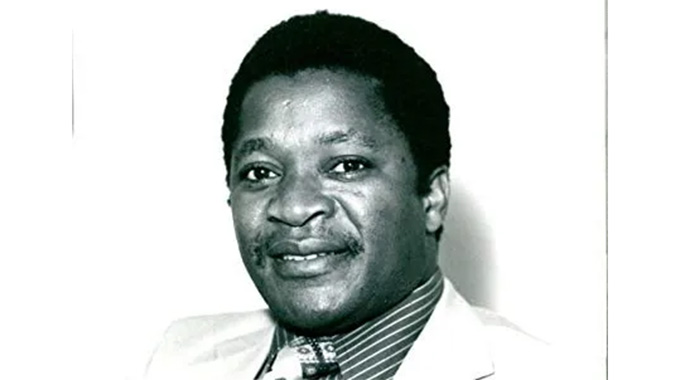
The Herald, September 20, 1979
ZIMBABWE RHODESIA’S Foreign Minister, Mr David Mukome, yesterday reported “considerable progress” in negotiations to reconcile his country’s present constitution with proposals put up by the British Government, and forecast an early basic agreement at the Lancaster House conference.
After more than two hours of bilateral talks between Bishop Muzorewa’s delegation and the British Foreign Secretary, Lord Carrington, Mr Mukome told reporters: “The British are moving towards us. We are moving towards them. There seems to be plenty of room for accommodation. I anticipate agreement in broad principle very soon – very encouraging progress has been made.”
After the talks, Lord Carrington had scheduled similar discussions with the other delegation at the conference, the Patriotic Front led by Mr Joshua Nkomo and Mr Robert Mugabe. They have their own constitutional proposals, and the Foreign Secretary has been forced into a position where he must negotiate separately with each delegation.
He hopes to find common ground that he can use to get the conference back into plenary session and reach its main objective of ending the war and laying the basics for free elections under a British-approved constitution, but Bishop Muzorewa’s delegation insists they will not discuss anything with the PF and seek only to meet British requirements for legal dependence by amending their own constitution.
Mr Mukome said negotiations yesterday centred on the three aspects of the Zimbabwe Rhodesian constitution the British consider “defective” – the veto power of whites over constitutional changes, the number of guaranteed white seats in Parliament, and the power of the commissions that run the public services and the armed forces.
He said progress had made on all three points, and as far as his delegation was concerned the existing constitution was the basis for discussion.
Senior sources within the Zimbabwe Rhodesian delegation had said earlier they anticipated swift progress if serious negotiations got under way at the conference between themselves and the British.
LESSONS FOR TODAY
- In terms of arbitration, engaging separately the different parties, might produce better results than engaging them as a group.
- In any negotiation process, it is always good to narrow the agenda or the point of focus to a few items. In case of the deliberations at Lancaster House, there were three issues: the veto power of whites over constitutional changes; the number of guaranteed white seats in Parliament; and, the power of the commissions that run the public services and the armed forces.
- Mid-September, the Lancaster House talks had entered the homestretch with all parties almost in agreement to the resolutions.



 Online Reporter