

 dyton mupawaenda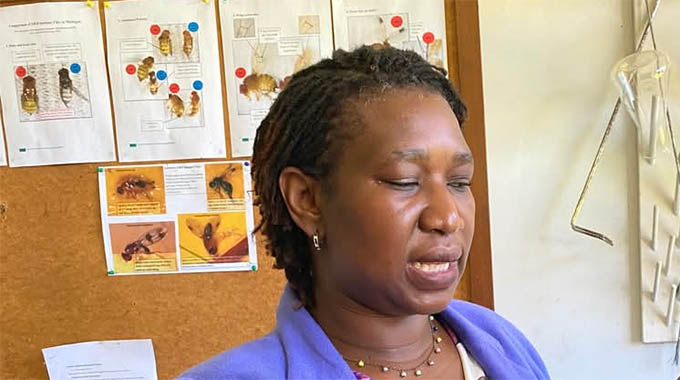
Felistas Tavarera-Agriculture Correspondent
THE Plant Quarantine Services Institute (PQSI) is monitoring borders, airports and farms to detect and prevent the introduction and spread of plant pests and diseases.
These efforts seek to protect the agriculture sector from the negative impact of plant diseases and pests while ensuring national food security.
Head of the Plant Quarantine Services Institute, Research Service Department under Agricultural Research Innovation and Specialist Services Directorate, Mrs Louisa Makumbe, said they were constantly on the look out for new pests to reduce their impact on plants.
The institute is also working closely with farmers, traders and other stakeholders to raise awareness about the importance of plant health and the need for strict phytosanitary measures.
“We are committed to safeguarding our agriculture and food security. We recognise the importance of plant health in ensuring the country’s food security and economic development,” she said.
By strengthening plant health surveillance and response, Zimbabwe can mitigate the impacts of climate change on its agriculture sector and ensure food security for its people.
“The PQSI’s efforts are a critical component of this strategy, and the institute’s work is essential in a network of 40 substations strategically located across the country.
“The institute is also enforcing strict phytosanitary standards for imports and exports to ensure that plant materials entering the country are free from pests and diseases,” she said.
Climate change is driving the spread of new and invasive plant pests, posing a significant threat to Zimbabwe’s agriculture and food security.
“As a country, we are constantly exposed to emerging plant pests and diseases because of climate change. The environment that pests are living in is changing so much that we constantly get new pests that we need to monitor, detect and contain,” said Mrs Makumbe.
The agriculture sector contributes significantly to the national GDP.
It provides employment, food and income for millions of people and its growth is essential for the country’s economic development.
“We are fighting against a causal agent, a virus called Maize Chlorotic Mottle Virus, which leads to a deadly disease called Maize Lethal Necrosis (MLN). As a country we are importing cereal grains from safe zones and avoiding zones where we very much know that Maize Lethal Necrosis is active although traders may feel like we are fighting them by buying cheap maize from cheaper sources because of lack of awareness,” she added.
PQSI said people often wish to bring plants, fruits, and flowers across borders while traveling but these good intentions can inadvertently introduce harmful pests and diseases.
“As humans, we are attracted to plants as we travel around the globe. Traders tend to get attracted to fruits, plants, flowers but if they do not import them safely, they bring pests and diseases. As Plant Quarantine Services Institute we are in conflict with people who want to bring in something that they love but are unaware of the risks that it brings into the country without proper inspection and documentation,” she said.
As a signatory to the International Plant Protection Convention, Zimbabwe’s PQSI aligns its protocols with global standards to safeguard trade.



 Online Reporter