Online Reporter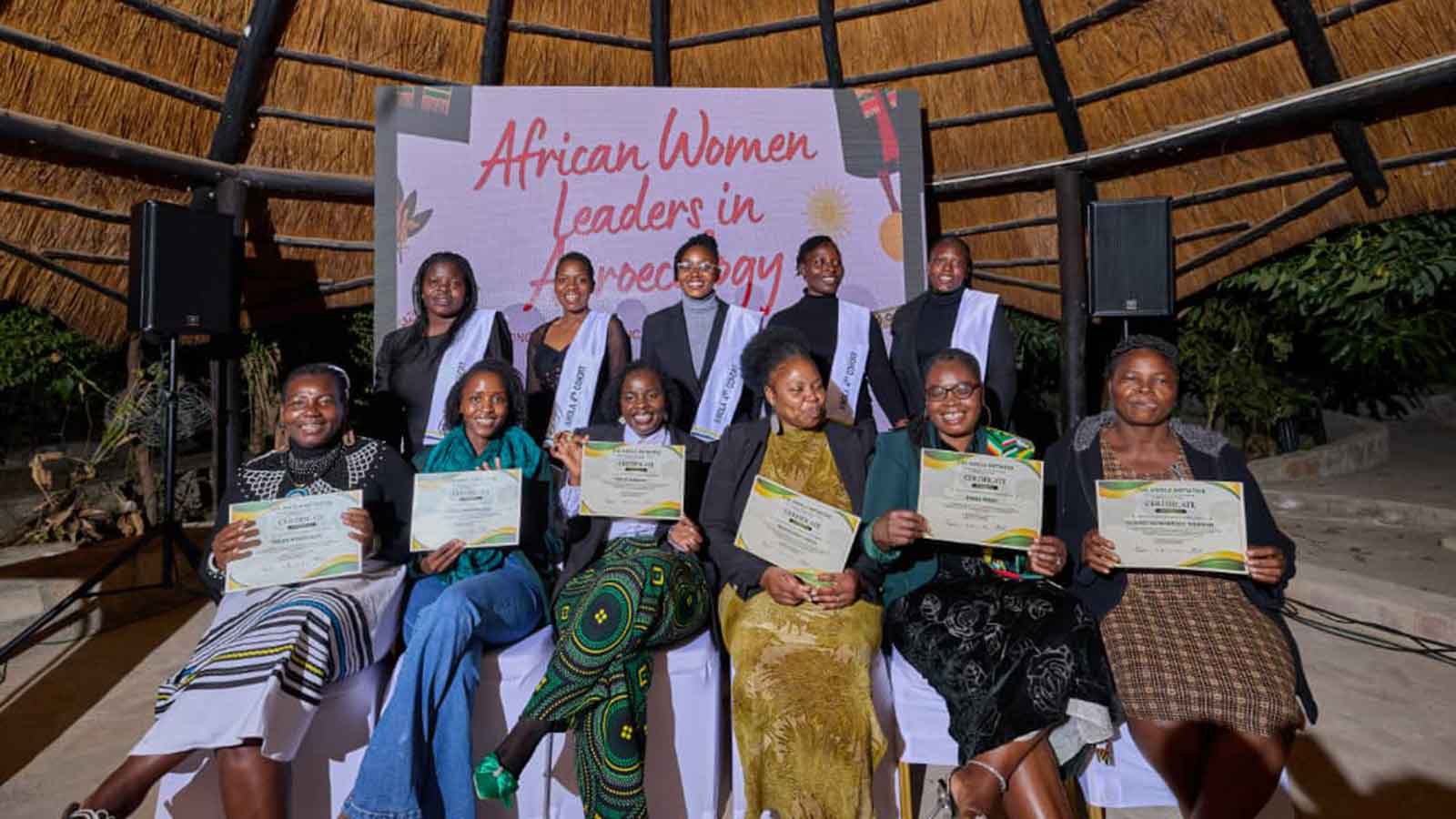
Muchaneta Chimuka
More than 100 women have graduated from the African Women Leaders in Agroecology (AWOLA) programme and received certificates in recognition of their successful completion of a leadership and mentorship initiative designed to strengthen women’s participation in sustainable agriculture, food systems transformation and community development.
The graduation ceremony, held at SCOPE Zimbabwe in Mt Hampden, Harare, marked the completion of the programme’s third cohort and the onboarding of a fourth cohort, further expanding the network of women leaders championing agroecology across Zimbabwe.
Speaking at the ceremony, the Ministry of Agriculture, Mechanisation and Water Resources Development’s deputy director for Animal Production Research, Ms Grace Tambo, said the graduates’ achievements reflected their commitment, resilience and determination to become leaders in sustainable agriculture.
Ms Tambo said empowering women remained central to sustainable development and economic transformation.
“As a ministry, we firmly believe that empowering women is not only a matter of equality but also a critical pathway towards sustainable development,” he said.
“Women play a pivotal role in agriculture, food production, natural resource management, entrepreneurship and household livelihoods.
“When women are empowered with knowledge, leadership skills, confidence and opportunities, they contribute significantly to economic growth, environmental sustainability and community resilience.”
She noted that through leadership development, mentorship, networking and practical learning, participants had acquired skills that would enable them to influence positive change within their communities and institutions.
“To the graduating cohort, today marks not the end of your journey but the beginning of a new chapter,” she said.
“The knowledge and experiences you have gained should be used to inspire and support others, particularly women and girls involved in agriculture and community development. “Leadership is not defined by position alone; it is demonstrated through service, integrity, innovation, and the ability to empower others.”
She described agroecology as a practical response to pressing challenges such as climate change, biodiversity loss, food insecurity and declining soil health.
“We need more women who are prepared to champion sustainable farming practices, influence policy discussions and lead initiatives that strengthen food systems and rural livelihoods,” she said.
One of the graduates, Mrs Fortunate Nyakanda, encouraged fellow graduates to continue building on the skills and networks gained through the programme.
“We encourage you to use the knowledge, networks and confidence gained through this programme to become advocates for sustainable agriculture, gender equality and inclusive development,” she said.
“Your leadership has the potential to transform not only your own lives but also the lives of countless others across Zimbabwe and the African continent.”
PELUM communications officer Ms Deltahcut Dube said the programme seeks to equip women with the tools required to drive change in agriculture and food systems.
“The AWOLA programme is a women’s leadership and mentorship initiative under the PELUM network that aims to strengthen women’s leadership in agroecology, sustainable agriculture and food systems transformation across Africa,” she said.
“The programme equips women with the knowledge, confidence, networks and practical leadership skills needed to influence change in their communities and institutions.”
Currently implemented in Zimbabwe, Kenya, Uganda, Malawi and Nigeria, AWOLA brings together women leaders from across the continent to learn, collaborate and support one another.
Each cohort consists of six mentors and six mentees, creating a structured mentorship and peer-learning environment. Participants undergo both virtual and face-to-face training sessions covering leadership development, agroecology, communication, negotiation, advocacy, networking, innovation and policy engagement.
Through the programme, women gain access to mentorship, professional networks, leadership opportunities and practical skills that position them as advocates for sustainable and resilient food systems across Africa.
Stakeholders at the graduation ceremony said initiatives such as AWOLA complement Government efforts to promote gender equality, women’s economic empowerment, climate resilience and sustainable development while advancing the national vision of leaving no one and no place behind.Agroecology training programme empowers women farmers