Online Reporter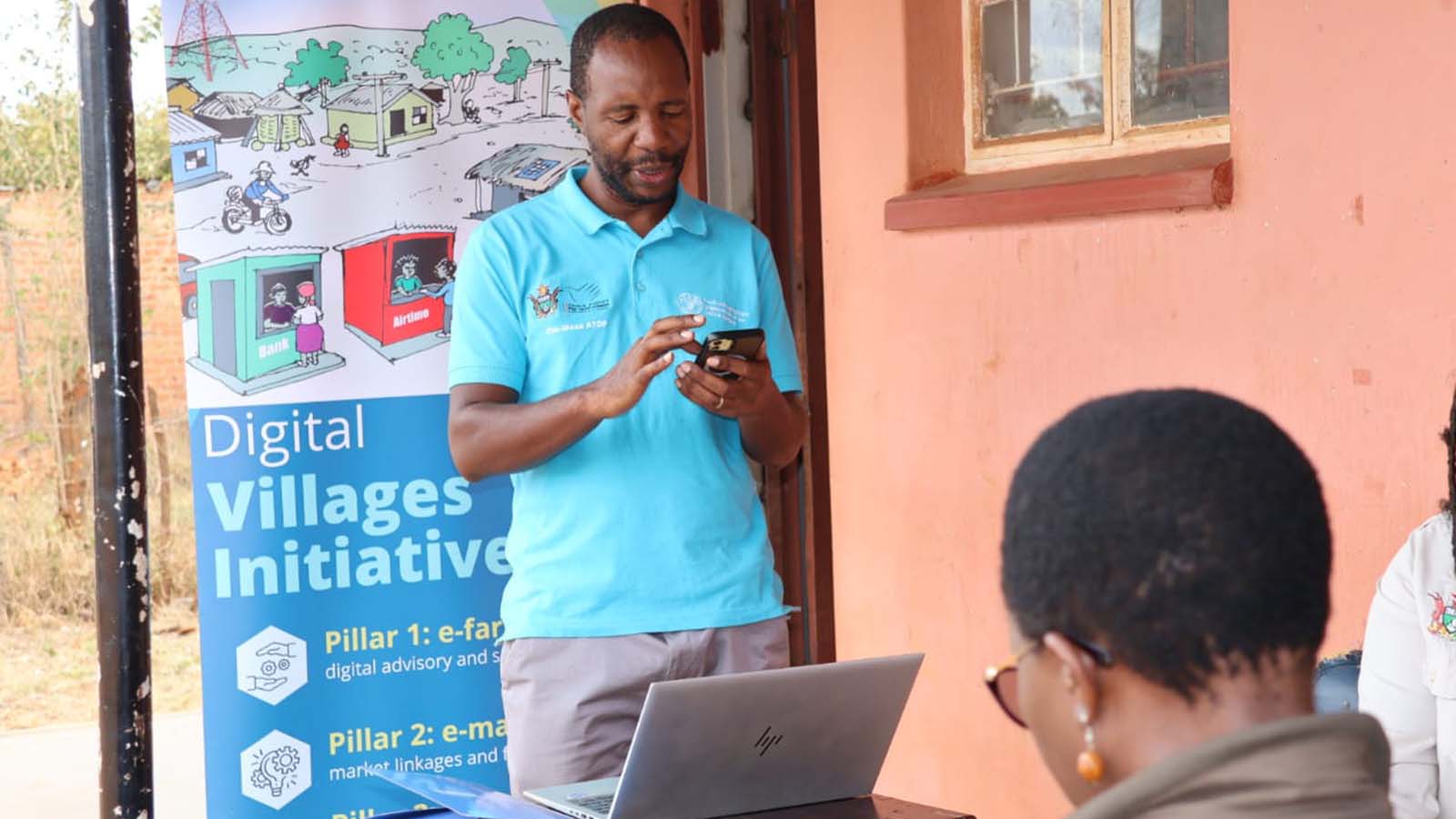
Theseus Mauruki Shambare in Mhondoro-Ngezi
ARTIFICIAL intelligence-powered chatbots are being deployed in Zimbabwe’s rural farming communities as part of a new digital agriculture drive aimed at improving access to real-time farming advice, boosting productivity and strengthening rural livelihoods.
The development, being rolled out by the Food and Agriculture Organisation (FAO) in partnership with the Government, marks one of the clearest signals yet of how emerging technologies are reshaping smallholder agriculture in the country.
The initiative is part of the “Fostering Digital Villages through Innovative Advisory and Profitable Market Services in Africa (FDiVi)” programme, which is also being implemented in Malawi and Rwanda, and is targeting farmers, extension officers, agro-dealers and processors.
Speaking during a digital agriculture review and village twinning meeting in Mhondoro-Ngezi, FAO Digital Villages Initiative coordinator in Zimbabwe, Mr Dowsen Sango, said the use of AI tools was designed to close long-standing information gaps affecting rural farmers.
“The project aims to transform agri-food systems in rural Malawi, Rwanda and Zimbabwe using effective digital technologies, including artificial intelligence tools,” he said.
He said the chatbots were being tested as part of efforts to strengthen agricultural advisory services, particularly in remote farming communities where access to extension officers is often limited.
The tools allow farmers to access information on weather patterns, pest control, crop management and market prices through digital platforms, reducing reliance on traditional in-person consultations.
Mr Sango said the intervention was also aimed at improving market access through digital platforms that connect farmers to buyers.
“Agriculture and rural development play pivotal roles in the economic prosperity and social well-being of Africa, including in Zimbabwe,” he said.
With about 61,4 percent of Zimbabwe’s population living in rural areas and nearly 70 percent dependent on agriculture, officials say digital innovation is becoming central to national food security and rural development strategies.
The pilot phase has also introduced a “Digital Village Twinning” model, where better-performing farming communities, such as Bikita, are paired with districts like Mhondoro-Ngezi to share skills, digital tools and farming practices.
Agricultural Business Advisory Officer (ABAO) for Mhondoro-Ngezi District, Ms Nola Marumbwa, said farmers had begun adapting to the new systems, although challenges remain.
“As we move towards the ministry’s mandate to achieve food security everywhere, every day, adoption of digital technologies is the way to go,” she said.
“While there is still more that needs to be done, we appreciate the progress made so far and look forward to wider adoption of these technologies as we seek to improve productivity.”
Government and FAO officials say the project is now in its final year, with emphasis shifting to assessing impact, capturing success stories and preparing an exit strategy to ensure sustainability beyond donor support.
The programme is expected to leave behind a network of digital agricultural systems aimed at modernising rural farming and strengthening resilience against climate and economic shocks.



 Bongani Ndlovu