Online Reporter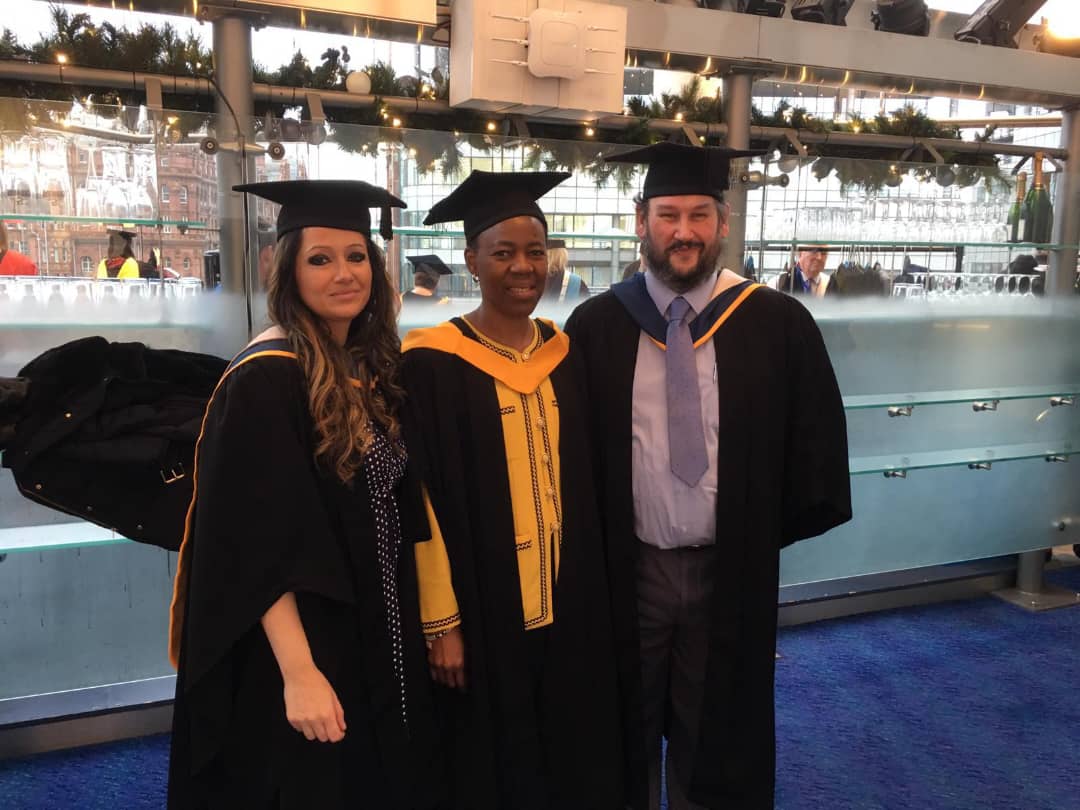
Rutendo Nyeve, [email protected]
AFTER spending more than 20 years building a career in the United Kingdom’s technology sector, artificial intelligence (AI) expert Liliosa Padenga has returned home with a clear mission of helping Zimbabwe prepare for the fast-changing digital age.
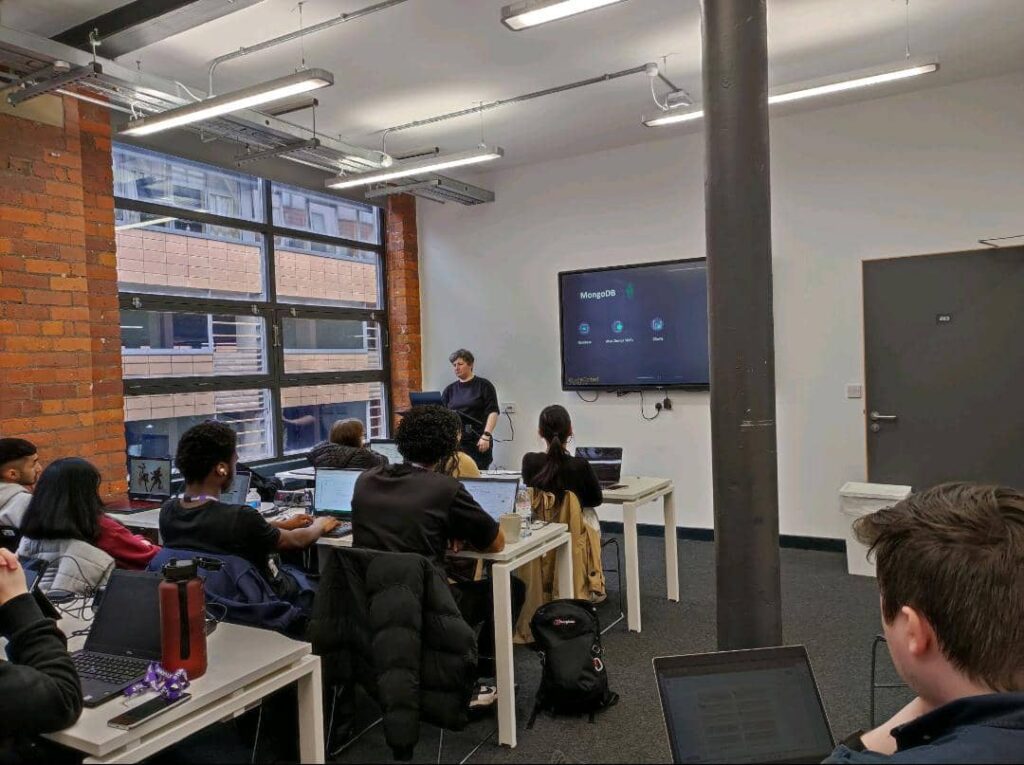
At a time when AI is transforming industries across the world, Padenga wants Zimbabweans to understand and use the technology rather than be left behind by it. Her return is also part of a growing trend of skilled Zimbabweans in the diaspora bringing their knowledge and experience back home to contribute to national development.
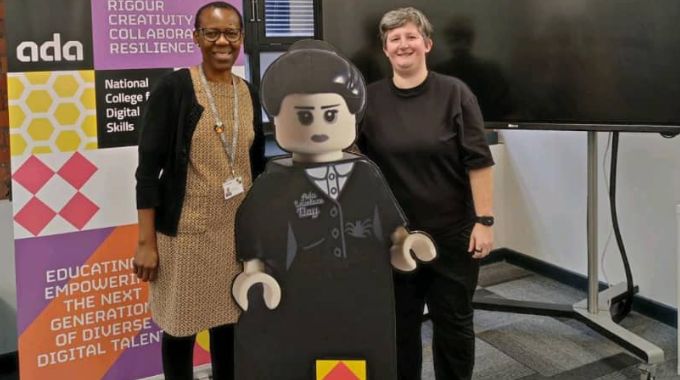
Having worked as a lecturer in the UK, including at the National College of Digital Skills where she trained apprentices from major international companies such as the Hongkong and Shanghai Banking Corporation (HSBC) and PricewaterhouseCoopers, also known as PwC, Padenga initially planned a quieter life after returning to Zimbabwe.
However, once she saw the gap in AI knowledge and skills, particularly within the education sector, she decided there was more work to be done.
“I came back in 2025. I wanted to come back and just relax, but when I saw this gap, I thought, oh, I can contribute,” she told The Saturday Chronicle.
That decision led to the establishment of ADNOB AI Tech Solutions, a company dedicated to helping Zimbabweans understand and use artificial intelligence through practical training programmes.
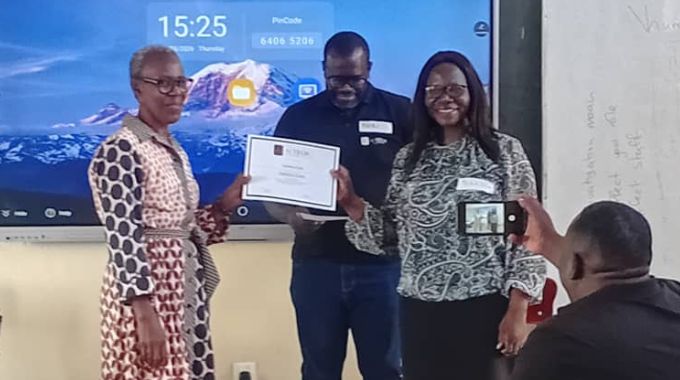
For Padenga, the move is a natural extension of the work she has been doing throughout her career. “I’m a retired teacher and lecturer. I have worked in the past in Zimbabwe, at the University of Zimbabwe. I understand the context of Zimbabwe,” she said.
Her work comes at a significant moment for the country. Earlier this year, President Mnangagwa launched the National Artificial Intelligence Strategy (2026-2030), which aims to position Zimbabwe as a technology-driven upper-middle-income economy. One of the key pillars of the strategy is talent and capacity building, an area that closely aligns with Padenga’s efforts.
“When the President launched the national AI strategy, I had already been teaching AI in the UK. So when we came and realised that the first pillar in the strategy is talent and capacity building, and that touches education,” she said.
“If we talk about the figures, I think when the strategy was actually drafted, we were at a single digit, our literacy of AI.”
Through ADNOB AI Tech Solutions, Padenga is working to close that knowledge gap by making AI accessible to educators, students and professionals. Rather than encouraging schools to invest in costly equipment, the company focuses on helping institutions make the most of the resources they already have. “We work with what they already have; we say, let’s start from where you are,” Padenga said.
The company offers half-day and full-day training sessions covering AI tools such as ChatGPT and Gemini. Beyond teaching people how to use the technology, the training also looks at how AI can be incorporated into Zimbabwe’s heritage-based curriculum.
“In the context of our heritage-based curriculum, how can we use AI?” she asks.
A key part of the training involves addressing fears that artificial intelligence will replace human workers. Padenga believes such concerns often stem from a lack of understanding about how the technology works.
“We try to demystify some of those things. We say, no, you are the human in the loop; AI cannot work on its own; it needs the human person,” she said.
To ensure participants continue learning after the workshops, ADNOB AI Tech Solutions also provides WhatsApp support groups where trainees can share experiences, ask questions and receive ongoing guidance.
Padenga believes that building AI literacy is essential if Zimbabwe is to fully benefit from the opportunities presented by emerging technologies. By equipping teachers with the necessary skills, she hopes to prepare learners to participate in future innovation programmes, including initiatives such as the AI Grand Challenge.
“We see ourselves as players where we can help the nation fulfil or implement that strategy,” she said.
Her story reflects a broader national drive to tap into the expertise of Zimbabweans living abroad. Recently, Vice President Constantino Chiwenga emphasised the importance of leveraging the knowledge and experience gained by
Zimbabweans in the diaspora, describing it as a valuable resource for the country’s development.
For Padenga, the journey has come full circle. From her early years in Zimbabwe, including attending Goromonzi
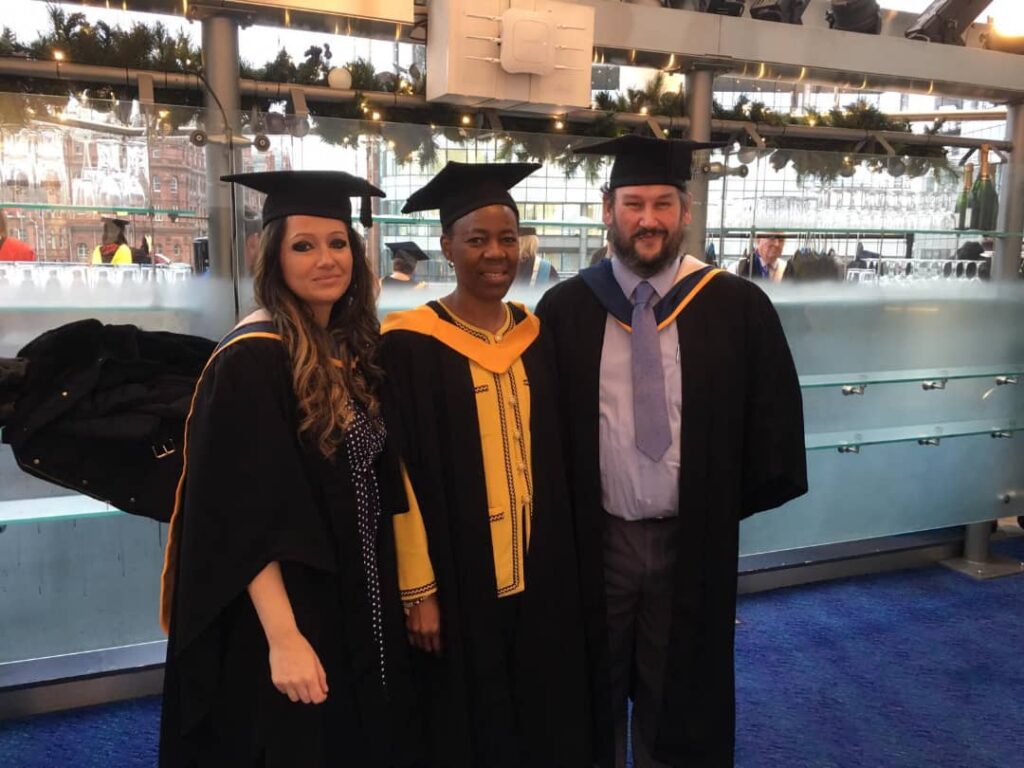
High School and working at institutions such as Kushinga-Pikelela, to earning a Master’s degree in Computer Science in Australia and building a successful career in the UK, she has accumulated extensive global experience.
“I grew up in Zimbabwe; Goromonzi was my high school,” she recalls.
Today, she is bringing that experience home, determined to ensure that Zimbabweans are not merely consumers of technology but active participants in shaping the digital future. Through training, mentorship and skills development, Padenga hopes to help build a generation that can confidently harness artificial intelligence for national development and economic growth.