Freeman Razemba in GENEVA, Switzerland
ARTIFICIAL Intelligence is increasingly shaping the future of Zimbabwe’s inland transport sector, anchoring innovation, automation and digitalisation efforts aimed at improving road safety, efficiency and sustainability, Transport and Infrastructural Development Minister Felix Mhona has said.
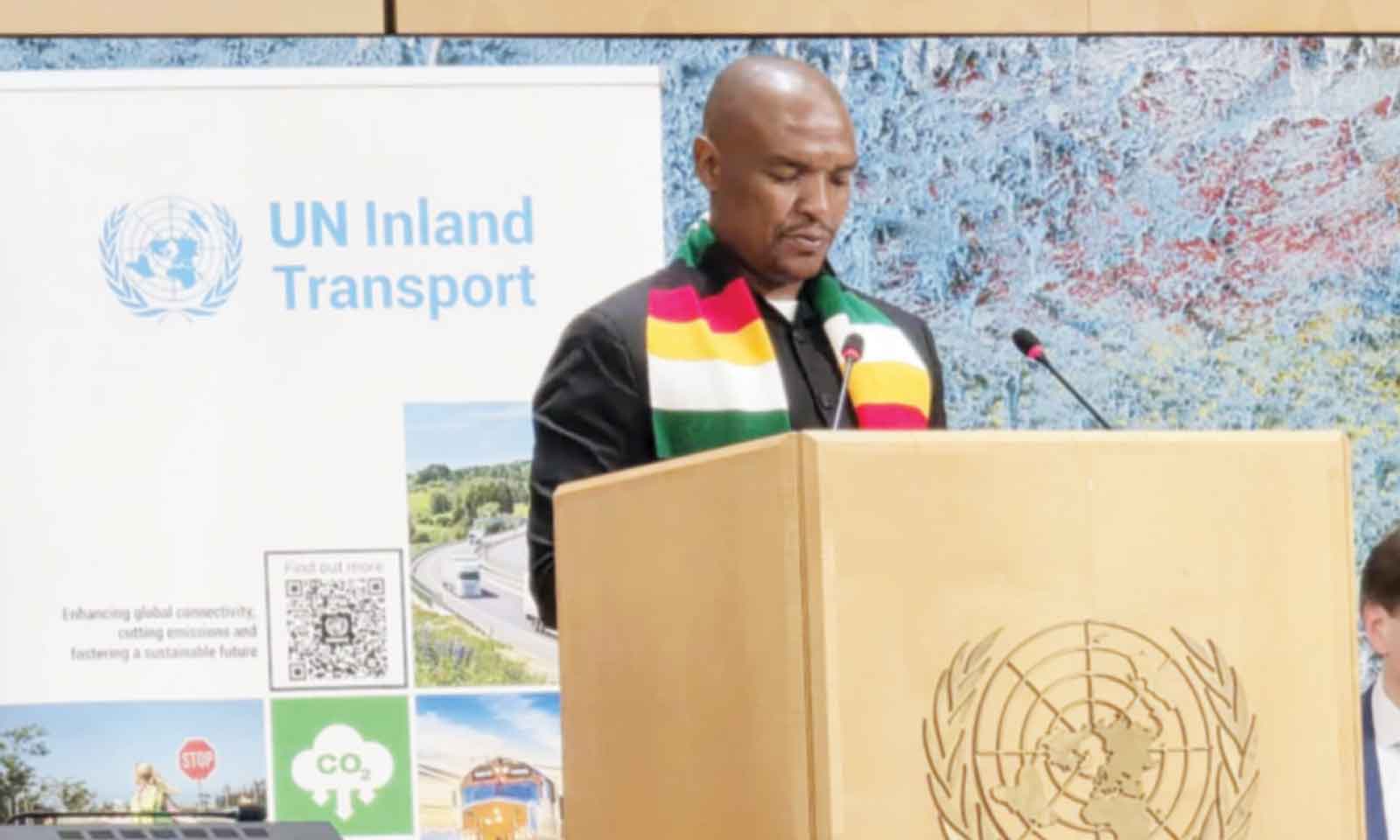
Addressing a ministerial panel at the ongoing 88th Session of the United Nations Inland Transport Committee in Geneva, Minister Mhona said Zimbabwe had recorded significant milestones in deploying smart technologies, including AI-driven systems, solar-enabled traffic management, automated cashless “tap-and-go” ticketing and GPS-based vehicle tracking.
“The utility of Artificial Intelligence in advancing inland transport in Zimbabwe anchors innovation and automation in the sector,” he said.
“While Zimbabwe is yet to do more, considerable milestones have been witnessed in the application of AI, solar-enabled traffic management systems, automated, cashless ‘tap and go’ ticketing, as well as GPS-based vehicle tracking, to improve road transport safety and efficiency.”
The UN gathering, running under the theme “Driving innovation for the future of inland transport”, brings together global policymakers and industry experts to explore emerging technologies and regulatory frameworks shaping modern transport systems.
Minister Mhona said Zimbabwe’s innovation drive is focused on smart traffic management, digital logistics platforms and automated transport services designed to reduce urban congestion and improve operational efficiency.
Key initiatives include the deployment of intelligent cameras capable of automatically issuing penalties, real-time data analytics for fleet management and digital ride-hailing platforms aimed at modernising mobility and logistics.
He said the introduction of the Integrated Transport Management Information System marked a major shift away from paper-based processes, integrating vehicle registration, licencing and inspection data into a centralised digital platform.
“The system integrates various modules for vehicle registration, licencing and inspection data, creating a more streamlined and transparent process. Core equipment at major vehicle inspection stations is now increasingly oriented around the digital backbone, with computer networks syncing real-time data with the national database, helping curb fraud by making records secure and verifiable,” he said.
The minister highlighted recent investments in enforcement and inspection infrastructure, including operational vehicles for the Vehicle Inspectorate Department and advanced brake roller testers.
“The operational vehicles enable our vehicle inspectors to be more agile, extending their reach into remote and under-served areas, and to conduct more spontaneous and effective roadside inspections,” said the Minister.
“We also launched advanced brake roller testers, which provide objective, data-driven, and irrefutable evidence of a vehicle’s braking capability.
“They eliminate guesswork, preventing corruption and ensuring that every vehicle that passes through our inspection stations meets stringent, scientifically verified standards.”
Zimbabwe’s road haulage industry is also increasingly adopting Internet of Things technologies and telematics to improve vehicle monitoring, predictive maintenance and overall fleet efficiency.
Beyond technological upgrades, Minister Mhona emphasised Zimbabwe’s commitment to multilateral cooperation and international standards under the United Nations system.
“I wish to reiterate that Zimbabwe is committed to cooperation under the United Nations system and to the adoption of international good practices and standards on all matters under the purview of the ITC,” he said.
He noted that Zimbabwe’s participation in UN technical bodies, including the Working Party on Automated/Autonomous and Connected Vehicles, has strengthened the country’s capacity to implement global best practices in road traffic safety management.
Zimbabwe is at an advanced stage towards ratifying four key international agreements covering dangerous goods transport, vehicle technical regulations, periodic inspections and global standards for wheeled vehicles.
The Zimbabwean delegation includes Ambassador to the United Nations in Geneva Ms Ever Mlilo, ministry legal advisor Advocate Kingston Magaya, Traffic Safety Council of Zimbabwe board chairperson Mr Kura Sibanda, managing director Mr Munesu Munodawafa and other senior Government officials.