Online Reporter
Raymond Jaravaza, [email protected]
AS part of streamlining its operations for an efficient and effective civil service by incorporating Artificial Intelligence (AI), the Public Service Commission (PSC) has assured Government employees that they will not lose their jobs as the introduction of the latest technologies in line with international standards is not meant to replace civil servants.
The PSC is the country’s biggest employer with 172,133 workers employed by the Government.
The PSC also superintends over the recruitment and development of human capital throughout the public service.
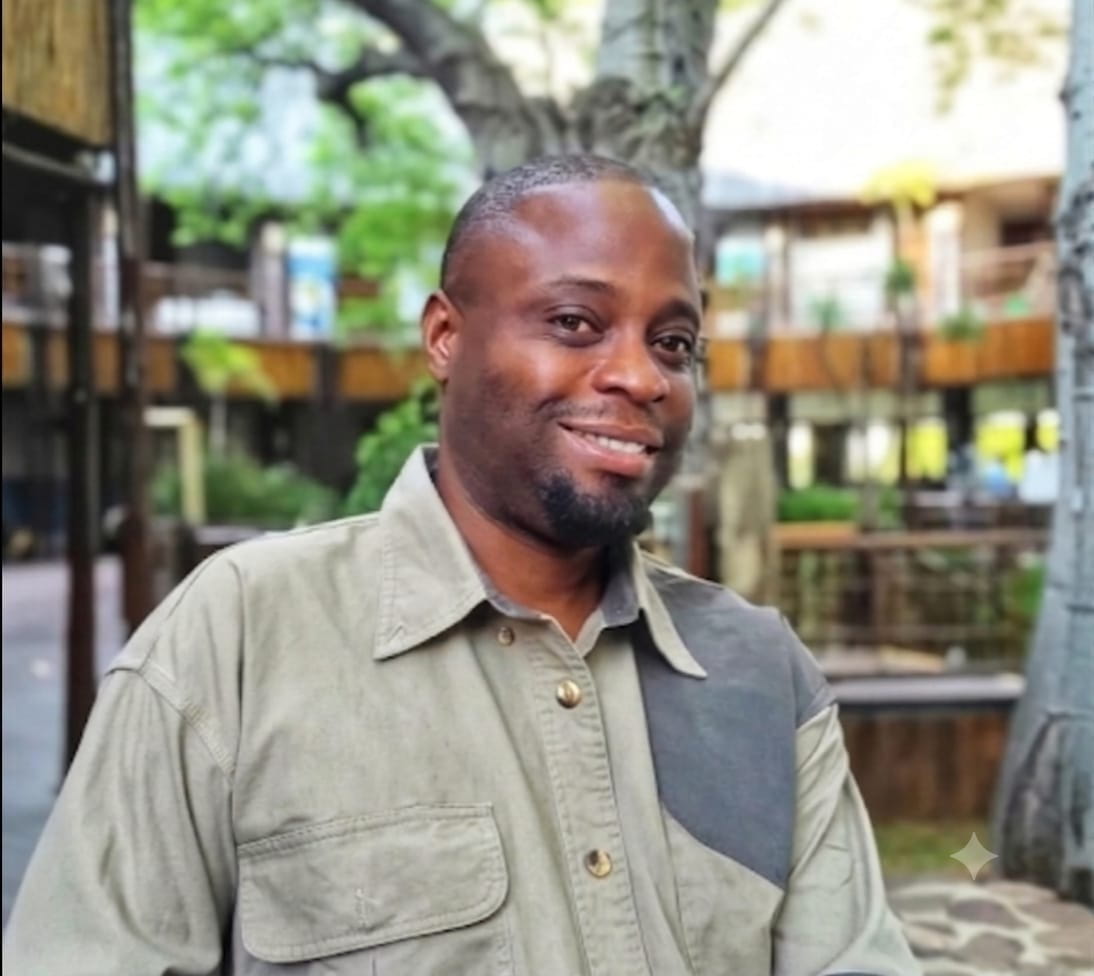
PSC chairperson, Dr Vincent Hungwe, yesterday delivered a public lecture at the National University of Science and Technology (Nust) in Bulawayo, where he outlined their constitutional mandate to ensure a professional, ethical and efficient public service that serves as the backbone of the country’s development.

The public lecture was attended by Nust Vice Chancellor Professor Mqhele Dlodlo, lecturers and university students under the theme: “Integrating Digital Governance and AI in Co-Creating a Smart Public Service’
“In the next five years, the Zimbabwean public service will be defined by three core principles, namely, that it will be human-centred, anticipatory and frictionless,” said Dr Hungwe.
“The goal of technology is not to replace the civil servants, but to empower them. Artificial Intelligence will handle repetitive data tasks, freeing up our public servants to do what machines cannot — to show empathy, to exercise judgment and to provide the human touch that remains at the heart of true service,” he added.
“This means using technology to enhance human capability, not replacing it but creating a public service where machines handle the predictable, allowing humans to focus on the exceptional,” said Dr Hungwe.

He said the public service will not just react to problems but predict and prevent them. “Imagine AI that analyses data to dispatch social workers to a community before a crisis of teenage pregnancy or substance abuse spirals out of control.
“By being frictionless, we mean that the days of long queues and cumbersome paperwork will be a relic of the past,” said Dr Hungwe.
“This means creating seamless digital pathways that eliminate bureaucratic bottlenecks, reduce corruption opportunities and put services directly in the hands of citizens.”
The public lecture at Nust was PSC’s 11th engagement with universities nationwide, underscoring its steadfast commitment to forging a symbiotic alliance between the frontiers of academia and the practical imperatives of governance.
Dr Hungwe, in his capacity as the chairman of PSC, also serves as chairperson of several other key constitutional commissions, namely the Health Service Commission, the Police Service Commission, the Prisons and Correctional Service Commission and the Defence Forces Service Commission. He also sits as a member of the Judicial Service Commission.
Dr Hungwe hailed Nust as a dynamic ecosystem of progressive scholars, engineers and entrepreneurs that can propel Zimbabwe’s digital trajectory to greater heights.
“PSC and Nust have a shared conviction that the future of public service must be re-imagined through digital innovation and sustainable advancement,” he said.
“It’s important that we reframe the perception of the PSC to move beyond its foundational role in recruitment to its emerging function as a vanguard for digital innovation within the public sector.
“Secondly, the PSC must bridge the critical gap between theoretical excellence and Zimbabwe’s developmental priorities, specifically through the tangible application of Artificial Intelligence (AI) and digital governance.”
Dr Hungwe said PSC’s mission is to build and foster a professional public service that delivers transformational services and development for all Zimbabweans.
“We stand at a pivotal moment where digital revolutions and artificial intelligence are redefining administration. Nations that master this integration will leap ahead. Zimbabwe’s position in this future will be determined by the choices we make today,” he said.
“Your vision will create a Government where applying for a passport, a business licence, or social support is as simple as a few taps on a phone.
“This means moving from treating social illnesses to preventing them — from curing cholera outbreaks to predicting and preventing them through water quality monitoring and early warning systems.”
Dr Hungwe said in the ever-changing technological world, university graduates’ employability skills were no longer just about passing exams.
“They are about your ability to code a solution for local businesses, analyse data to solve a civic problem and communicate with community leaders to understand their real needs,” he said.
“The public service of tomorrow needs professionals who can bridge the gap between technical capability and human need.”