

 admin
admin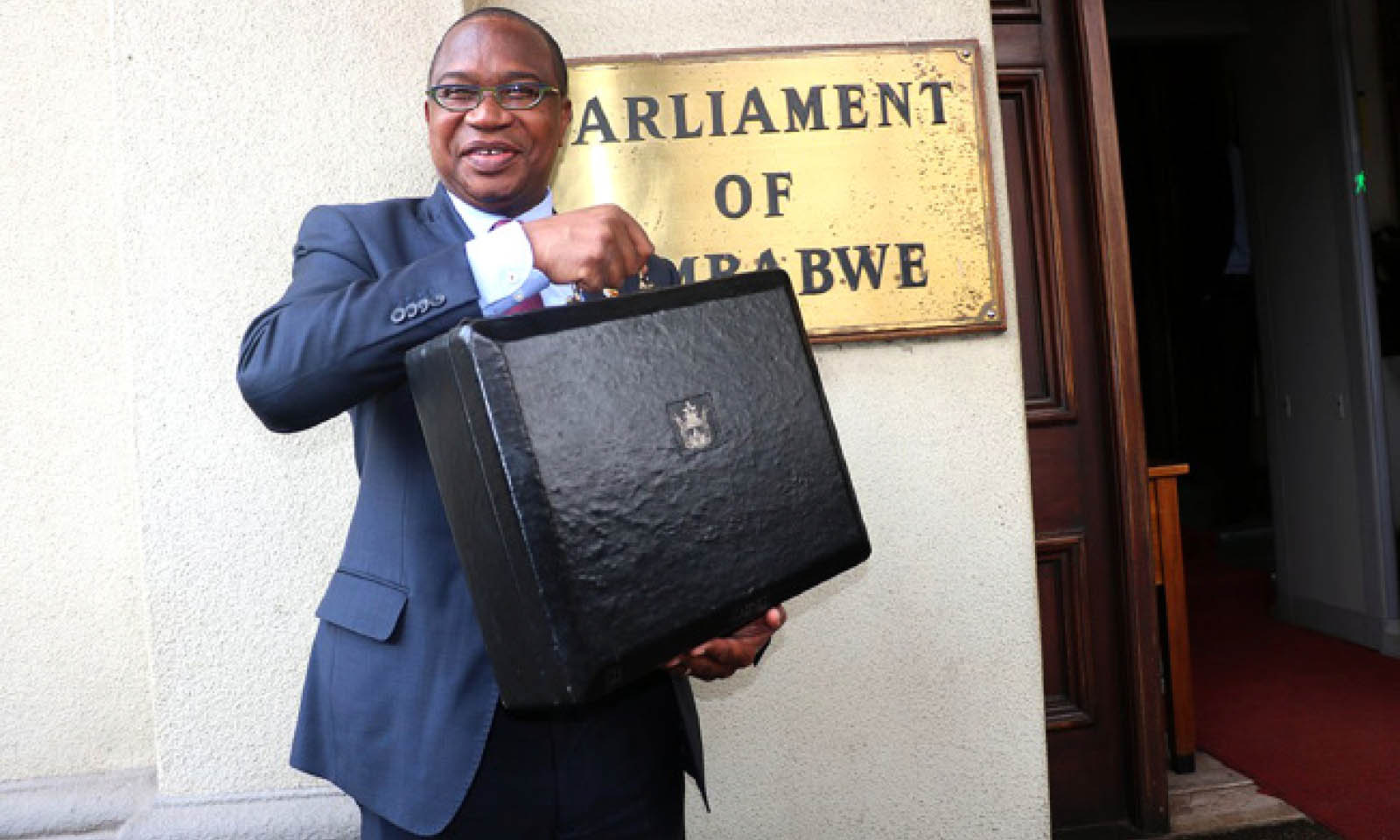
Oliver Kazunga and Tapiwanashe Mangwiro
All eyes are on Finance, Economic Development and Investment Promotion Minister Professor Mthuli Ncube, who presents the 2025 National Budget Statement tomorrow.
The Budget, a financial plan of all Government programmes for next year, comes at a critical time when Zimbabwe is looking to resolve several challenges weighing on the economy while fostering sustainable economic growth and investment.
Despite challenges posed by fluctuating global commodity prices and regional electricity constraints, Zimbabwe’s economy remains resilient.
The Government, in partnership with various stakeholders, is set to focus on innovative solutions that leverage the country’s vast potential in mining, agriculture, and tourism to unlock economic opportunities.
Economic analysts have highlighted the need for a cautious, yet proactive approach to fiscal policy.
Tafara Mtutu, an economic analyst, noted that while commodity price fluctuations pose challenges, they also present an opportunity for the Government to strengthen support for the mining industry.
He anticipates potential tax adjustments in the sector to boost competitiveness and maintain production momentum.
“Through considering reduced royalties during times of depressed commodity prices, the Government demonstrates its commitment to fostering a business-friendly environment that ensures both sustainability and growth,” Mr Mtutu remarked.
The mining sector, a cornerstone of Zimbabwe’s economy, continues to showcase its importance, while other sectors, such as manufacturing and tourism, are poised for strategic investments.
Economic diversification has been a common feature of Minister Ncube’s economic blueprints, which prioritised initiatives towards resilience and global competitiveness.
Meanwhile, companies like Delta Corporation are proving that even in a challenging economic climate, Zimbabwean businesses can innovate and thrive. This resilience reflects the broader determination of the nation to overcome obstacles and chart a path toward prosperity.
The Zimbabwe National Chamber of Commerce (ZNCC) president Mr Tapiwa Karoro said the 2025 National Budget Statement presentation was a crucial moment in setting the nation’s fiscal priorities, allocations, and revenue-generating strategies for the year ahead.
“The chamber notes that the Ministry of Finance through Statutory Instrument (SI) 139 of 2024, introduced a new excise duty of US$0,50 per million on e-cigarettes, effective August 1, 2024.
“This policy appears to stem from the perception that electronic cigarettes, or vapour products, pose the same level of harm as traditional cigarettes and should therefore be taxed similarly.
“However, this view is not aligned with scientific evidence. Numerous credible studies have shown that vapour from e-cigarettes contains significantly fewer and lower levels of toxicants compared to cigarette smoke.
“The current excise rate is also notably higher than in comparable regions, being three times higher than in South Africa and approximately 4,5 times the EU (European Union) average,” he said.
Economist Enoch Rukarwa underscored the comparative strength of Zimbabwe’s tax regime while urging reforms to formalise the informal sector.
He also pointed to the interplay of high corporate tax, income tax, VAT, and withholding taxes with Zimbabwe’s informal economy, urging the Government to enhance strategies to formalise the informal sector through effective implementation of presumptive taxes regulations.
“The Zimbabwean tax framework, while sometimes perceived as burdensome, aligns with regional standards. Strategic enhancements, such as enforcing collection of presumptive taxes, can broaden the tax base and foster inclusivity,” he said.
The Bankers Association of Zimbabwe (BAZ) recommended enhancing fiscal efficiency and promote financial inclusion.
By advocating for a reduction in the 2 percent Intermediated Money Transfer Tax (IMTT), BAZ aims to encourage formal transactions, reduce cash dependency, and strengthen revenue collection mechanisms.
“Lowering the IMTT will not only drive more transactions through formal banking channels but also support broader economic stability by addressing risks associated with cash handling,” BAZ stated in its submission.
On the existing Intermediated Money Transfer Tax, Mr Karoro said the chamber was of the view that the goals of financial inclusion initiatives would not be reached with IMTT in force.
The IMTT reportedly contributed about 3,4 percent to total revenue in the first half of the year. Comparatively, IMTT contributed about 8 percent to total revenue during the same period in 2022 and about 6,7 percent between January and June 2023.
“The IMTT coupled with other taxes charged on bank transactions such as withdrawal levies force people to transact in hard cash thereby, reducing the amount of tax collected via such means,” said Mr Karoro, adding that the IMTT has an incremental effect on the cost build-up of players in the supply chain, from the producer to the wholesaler — to the retailer and to the final consumer.
As the Reserve Bank of Zimbabwe continues to promote the use of electronic payment system, and in line with the Government’s drive to increase the adoption of Point of Sale (POS) machines as outlined in the 2024 Mid-Term Budget and Fiscal Policy Review, he said, ZNCC views it is essential to reconsider the imposition of withdrawal levies.
“Currently, high bank charges, particularly those tied to taxes like the IMTT and withdrawal and deposit levies, are discouraging the use of digital payment platforms. The foreign currency-cash dominant economy, being prompted by high user fees, renders monetary policy ineffective as informality deepens.
“With the role of the monetary policy limited, this calls for an increased role of fiscal policy in macro-economic stabilisation.
“Taxes on transactions add to the cost of doing business thereby, negatively impacting the country’s international competitiveness,” he said.
A financial markets analyst George Nhepera said Minister Ncube should come up with pro-business policies anchored on boosting the confidence of economic players.
“In my view, such policies could take the form of tax cuts or reduction which are targeted on key growth sectors of the economy.
“If these are carefully executed in terms of compliance, they could increase growth sectors of the economy. Another way to boost economic growth should be de-regulation in all sectors of the economy to relieve the economy of unnecessary regulations,” he said.
Economic analyst Malone Gwadu highlighted the importance of exchange rate stability and inflation control, emphasising the need for fiscal policies that strengthen the ZiG and enhance its utility in the market.
His call for economic diversification resonates with the Government’s vision to expand into high-potential sectors such as manufacturing and tourism.
“With deliberate fiscal tools that prioritise long-term growth, Zimbabwe can achieve a more competitive and inclusive economy,” Mr Gwadu said.
Mr Rukarwa however, stressed that austerity remains likely on the fiscal front as the Government aligns with contractionary monetary policies.
“Overall, to accommodate a contractionary monetary policy, the Government is likely to maintain austerity on the fiscal side of the economy,” he concluded.
As Zimbabweans anticipate Minister Ncube’s Budget announcement, focus remains on balancing short-term fiscal needs with long-term economic transformation.
Stakeholders are optimistic that the Budget will reinforce the Government’s commitment to economic stability, inclusivity, and prosperity, paving the way for a brighter future for all.



 Online Reporter