Online Reporter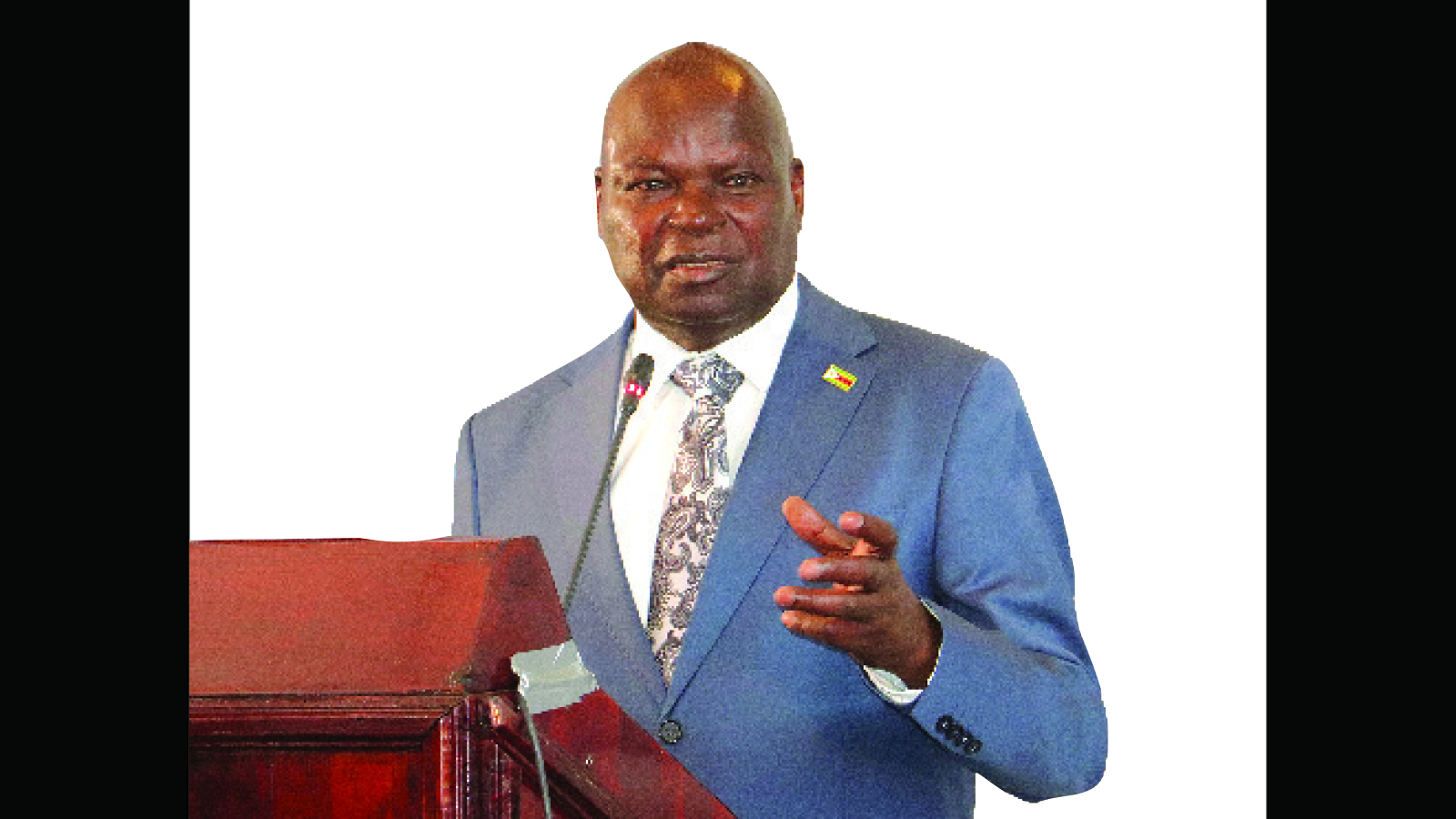
Zimbabwe’s energy sector has noticeably improved over the past several years, transitioning from an era of crippling fuel shortages and frequent power cuts to one of stability and expansion. The successful commissioning of new greenfield power projects (new energy generation facilities built from the ground up on undeveloped land, without reliance on existing infrastructure) and the expansion of the Hwange Thermal Power Station have significantly improved electricity generation, resulting in reduced load-shedding across the country. Our reporter DEBRA MATABVU spoke to Energy and Power Development Minister JULY MOYO, who explained how Government policies and strategic investments have driven this transformation, making the energy sector one of the fastest-growing pillars of the national economy.
**************
Q: Can you begin by outlining the major achievements recorded in the energy sector since 2018?
A: Let me begin with the fuel sector. Before 2018, the country faced perennial fuel shortages that resulted in long queues for petrol and diesel.
Under the Second Republic, through the visionary leadership of President Mnangagwa, Government adopted the “Zimbabwe is open for business” policy, which allowed private players to participate in fuel importation and distribution. This policy, coupled with the introduction of a competitive pricing framework, immediately resolved supply bottlenecks that had long constrained the economy. The second major milestone relates to the clean cooking agenda, particularly the use of liquefied petroleum gas (LPG).
In the past, many Zimbabweans were reluctant to use LPG due to safety concerns.
However, through extensive awareness campaigns and improved standards, confidence in LPG use has grown significantly. Today, LPG has become a mainstream energy source for cooking, especially in urban areas, and is steadily expanding into rural communities, small towns and growth points. This progress is complemented by biogas projects implemented through the Rural Electrification Agency (REA), enabling households with livestock or piggeries to produce their own energy. Another key achievement in the petroleum and gas sub-sector is the advancement of local gas exploration. Zimbabwe is now poised to benefit from its own gas resources, moving from reliance on imported LPG towards domestic production and beneficiation. Turning to electricity, there has been extensive deregulation of the power sector. Despite ZESA (Zimbabwe Electricity Supply Authority) operating with ageing infrastructure, the private sector has responded positively to the President’s call to invest in power generation.
Since 2018, independent power producers (IPPs) have injected close to 100 megawatts (MW) into the national grid — a significant increase compared to the negligible contribution from private players before 2018.
Projects such as mini-hydro plants in Nyanga and solar farms in Hwange, Gweru and other areas have become operational, signalling robust private sector participation.
Government has also encouraged major industries, especially in the ferrochrome and steel sectors, to develop captive power plants.
Many large mining entities now generate their own electricity using thermal and solar sources.
For example, Ngezi Platinum operates a solar plant, while Manhize produces power through gas captured from its steel production processes. Such innovation has helped reduce pressure on the national grid.
Furthermore, rooftop solar installations have surged across the country as the cost of solar equipment has declined.
Many homes and businesses now use solar energy for heating, lighting and power generation. Net metering, where excess electricity generated by consumers is fed back into the grid, is contributing more than 57MW, with the target set to surpass 100MW.
Renewable energy, particularly solar, has become the leading alternative power source for both commercial and domestic users.
Many offices and institutions in Harare and other cities have transitioned to off-grid systems, aligning with the national goal of energy self-sufficiency while remaining connected to the national grid for stability.
In rural electrification, tremendous progress has been made since 2018.
Electrification of institutions such as schools and clinics has increased significantly — secondary schools now stand at an 84 percent electrification rate, while rural clinics have reached 94 percent nationally, with provinces like Mashonaland Central recording 100 percent coverage.
The target under NDS1 (National Development Strategy 1) and NDS2 is to achieve full electrification of all primary and secondary schools by 2026, ensuring no child is left behind in the digital era.
Rural electrification has also been extended to business centres and administrative offices to attract skilled personnel to rural areas. For instance, in Binga, nearly all schools, clinics and traditional leaders’ homesteads are now electrified, a development that exemplifies the President’s vision of inclusive growth and the devolution agenda. Similar progress is underway in other previously underserved areas such as Muzarabani, Mbire and Kariba. Devolution has helped identify regions historically left behind, allowing Government to target infrastructure development more effectively. Additionally, Powertel is being revitalised to provide broadband connectivity alongside electrification projects, ensuring schools and clinics gain access not only to electricity but also to internet connectivity.
This integration of power and digital infrastructure is central to the President’s drive to modernise the entire nation.
Q: Have these developments contributed to stable power supplies across the economy?
A: Yes, to a significant extent. Load-shedding has been reduced primarily because Zimbabwe now has an installed electricity generation capacity of about 2 900MW, compared to a national peak demand ranging between 1 600MW and 2 200MW, depending on the season.
However, actual available capacity remains lower due to ageing generation and transmission infrastructure.
Other contributing factors include transmission and distribution losses, vandalism and theft of transformer oil and copper components. To fully eliminate load-shedding, we must continue investing not only in generation but also in transmission, distribution and retail infrastructure. The Government is already working with the private sector to address these challenges.
Q: What progress has been made in rehabilitating Hwange Units 1-6 and developing Units 9 and 10?
A: Regarding the Jindal project, Cabinet has already approved the partnership in principle.
What remains is finalising certain technical and contractual issues being handled by the negotiating team led by the Deputy Chief Secretary.
For Units 9 and 10, discussions are ongoing to determine the procurement strategy — whether these will be developed through public-private partnerships or directly by ZESA.
The ultimate goal is to ensure the long-term sustainability and modernisation of the Hwange Power Station.
Q: Government is in the process of reviewing taxes and levies across economic sectors. Which levies in the energy sector do you expect to be reviewed?
A: The energy sector is the backbone of the entire economy, so it is important that taxes, fees and licensing costs remain supportive of growth.
We anticipate a review of fees and regulatory charges applied across the petroleum, gas and electricity value chains — from fuel importation to power generation and supply.
From petroleum products to the Zimbabwe Energy Regulatory Authority (ZERA) itself as a regulator, to electricity supply, to the cost of coal, cost of gas, all these have to be looked at.
Although the Ministry of Finance has not yet scheduled our formal presentation, we are ready to engage and propose measures that enhance energy efficiency, competitiveness and affordability.
Q: What new investments can the country expect in the energy sector?
A: Investor confidence in Zimbabwe’s energy sector has grown remarkably.
From our recent engagements in the United Kingdom, several investors have already committed to large-scale solar projects, including partnerships with Government through Old Mutual.
From the United States, we received renewed interest following the easing of certain restrictions that previously discouraged investment.
American companies have acknowledged the continued importance of coal and gas as transitional energy sources that support industrial stability while we move towards renewable alternatives.
We are also in discussions with investors from Asia, including companies from North Korea, who have expressed interest in power generation projects.
Q: Finally, what are Government’s priorities in accelerating development of renewable energy in the sector going forward?
A: Zimbabwe is pursuing a diversified renewable energy strategy encompassing solar, wind and biogas. Wind energy, though not yet fully developed, has strong potential, as historical evidence from mission stations shows its viability for water pumping and small-scale power generation.
Solar remains our flagship renewable source. We are expanding both land-based and floating solar projects, with a major feasibility study underway for a floating solar farm on Lake Kariba. Investors have expressed readiness to instal over 800MW, though grid capacity currently allows for 600MW.
As climate change continues to affect hydropower generation, floating solar offers an innovative solution that utilises existing water surfaces while preserving resources.
These initiatives demonstrate Government’s commitment to sustainable, inclusive and forward-looking energy development.