admin
admin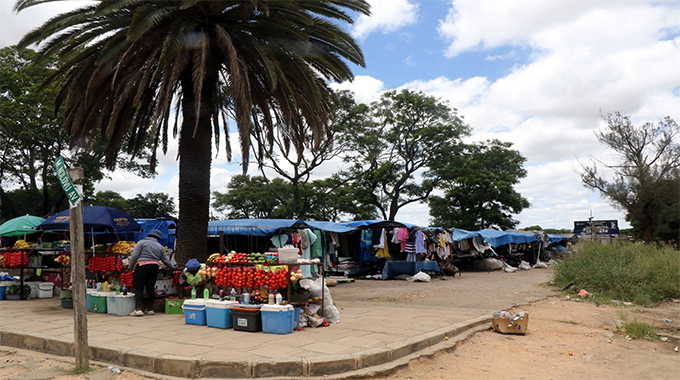
Raymond Jaravaza
WE all have at one time or the other owned or at least know someone who bought clothes from amabhele dealers.
The used clothes dealers operate in designated places such as one next to the Highlanders Clubhouse or the famous market that operated near the Bulawayo Revenue Hall some years back but was closed due to the Covid-19 pandemic in 2020.
Some operate illegally along Sixth Avenue and on numerous street corners where they play cat-and-mouse games with the Bulawayo municipal police.
Well, that booming industry could be a thing of the past if a proposal by France to push the European Union (EU) to ban the export of used clothes.
The ban will primarily target the export of second-hand clothes to Africa, thereby starving amabhele dealers of merchandise to sell in the streets of Bulawayo and other cities and towns across the country.
According to Reuters, the French environment ministry is pushing the proposed ban as a means of tackling “a worsening problem of textile waste”. United Nations trade data shows the EU exported 1,4 million metric tons of used textiles in 2022, more than twice as much as in 2000.
“The clothes can cause pollution in African countries where items that can’t be resold end up in dumps,” the EU has said.
In total, Europe produces 5,2 million tons of clothing and footwear waste every year, according to the European Commission.
The proposed ban by France has the backing of Sweden and Denmark.
“Africa must no longer be the dustbin of fast-fashion. We must reduce waste and manage our own waste,” France’s environment ministry told Reuters.
In Zimbabwe, the ban on exports of used clothing will have an economic impact on many livelihoods. Thousands of traders deal in used clothes.
Noma Sibindi who sells used clothes along Sixth Avenue said it was unfortunate that decisions that are made thousands of kilometres away from Bulawayo have the potential to starve her family.
“I take care of my family by selling second-hand clothes. I have been in this business for over eight years and although we encounter problems such as running away from BCC police or having our stuff confiscated we still soldier on. Now if the clothes can no longer be exported to Africa, then we will be out of business,” said Sibindi.
Meanwhile, there were reports last week that a number of traders lost an undisclosed consignment to Zimra after the vehicle with used clothes was intercepted by authorities.
“Many people are counting their losses. Some lost up to US$1000. We were told that the bales were taken by Zimra while the car was on its way from Mutare to Bulawayo. The bales had been imported from Mozambique, and there was an issue with paperwork,” said a Bulawayo trader.



 Online Reporter