Online Reporter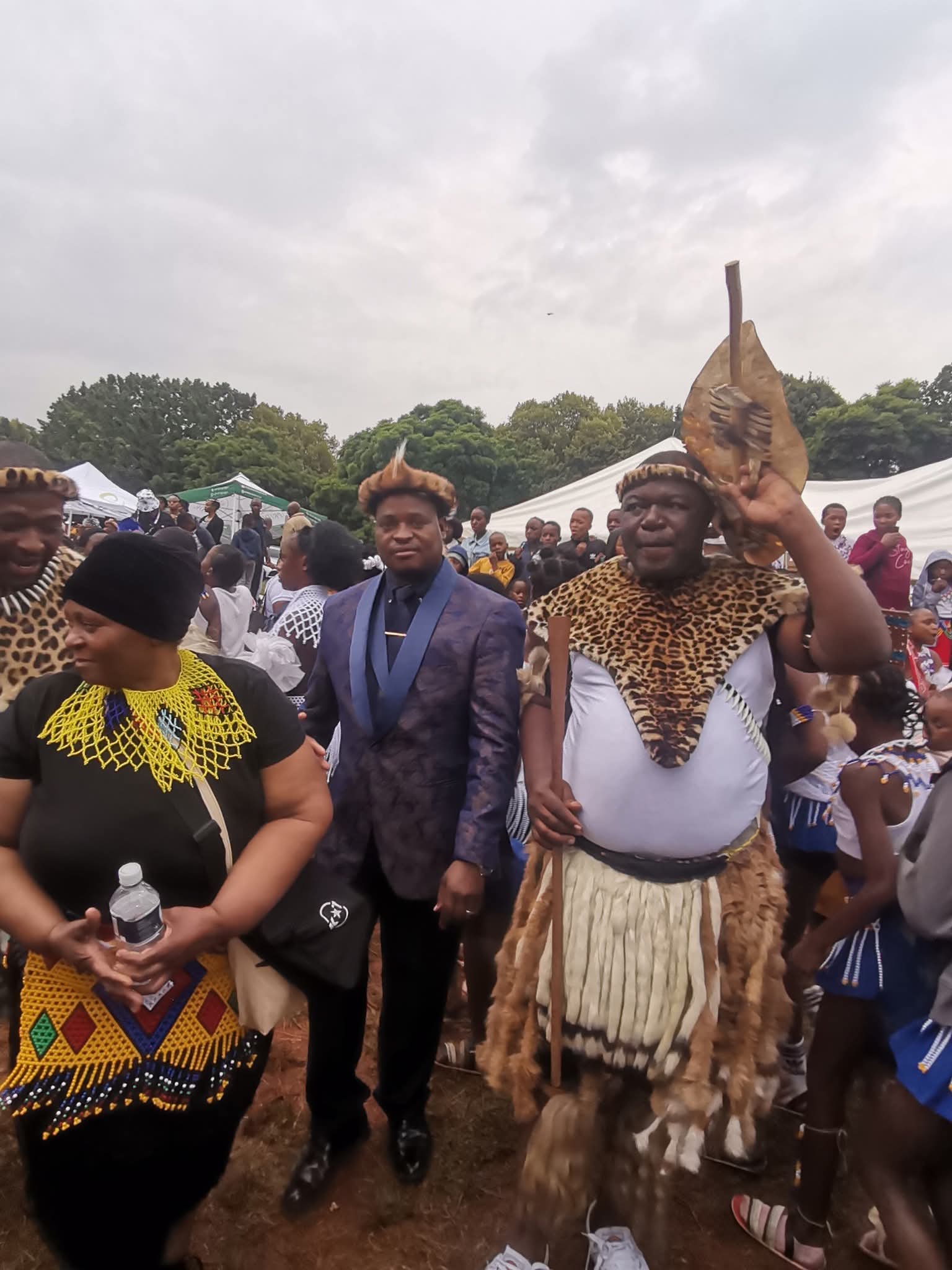
Nodumo Moyo, [email protected]
As communities in Kezi intensify efforts to preserve their cultural heritage and instil values among the younger generation, Gohole Primary School in koMdladla will today come alive with the AmaGuqa and AmaTshitshi Cultural Festival.
The gathering will bring together children, traditional leaders, elders and community members from across the area in a celebration aimed at reviving indigenous practices and strengthening cultural identity.
Established in October last year, the initiative was born out of growing concerns over social challenges such as child marriages and moral decadence. The upcoming festival will serve as a build-up event towards a bigger cultural celebration planned for October in koMdladla, while also raising funds to support the acquisition of traditional attire.
The festival comes at a time when communities are reviving traditional programmes for amatshitshi (maidens) and amaguqa (virgin boys) as a way of addressing challenges affecting young people, including teenage pregnancies, HIV infections, child delinquency and abuse.
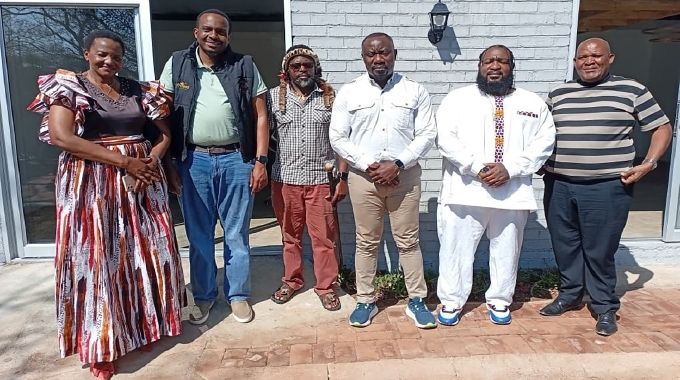
One of the organisers, Bishop Nothani Maseko, said the initiative was focused on nurturing boys and girls through cultural teachings while helping them develop a strong sense of identity and responsibility.
“Amaguqa are young boys who are taught the values of Ubuntu and how to conduct themselves according to our culture. They are taught respect, proper greetings and traditional customs that prepare them to become amabutho when they grow older,” said Bishop Maseko.
He said AmaTshitshi programmes were designed to equip young girls with life skills and cultural values while encouraging them to make responsible decisions.
“AmaTshitshi are taught how to carry themselves with dignity and to preserve their virginity. The programme also seeks to protect them from HIV/AIDS and other diseases,” he said.
Bishop Maseko explained that there was a distinction between AmaTshitshi and intombi, noting that girls go through the AmaTshitshi stage before they are considered ready for marriage.
The cultural gathering is expected to create a platform for elders to pass on indigenous knowledge, traditions and values to younger generations while strengthening bonds within the community.
“Our culture is our identity and our heritage is our strength. Together, let’s preserve it for generations to come. The event will be marked by traditional performances, cultural learning and activities aimed at instilling pride in African identity among children and youths,” he added.
Traditional leaders, elders, parents, young people and lovers of African culture have been invited to attend and support the event, which forms part of wider efforts to safeguard Zimbabwe’s cultural heritage.
Similar efforts have been taking place in the Mabonyane area of Matobo, where the Sigiya Ngamatshitshi Ethu programme was launched in 2020, targeting girls and boys aged between four and 18 years. Implemented in partnership with the National Aids Council (NAC) under the “Not in My Village” campaign, the initiative seeks to protect adolescents from sexual exploitation, HIV and other social challenges while promoting abstinence, dignity and responsible behaviour among young people.