Online Reporter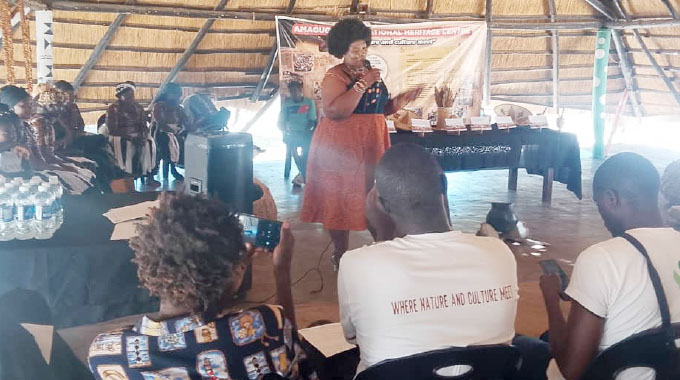
Mbulelo Mpofu, recently in Nathisa, Matobo District
A wave of culinary patriotism swept through the Amagugu International Heritage Centre (AIHC) this weekend as community elders, officials, and cultural custodians united in a vital mission; to rescue Matobo’s indigenous dishes from the brink of extinction.
An exclusive indigenous food tasting session marked a significant milestone in a project dedicated to documenting, preserving, and revitalising these fading flavours, regarded as intrinsic to Zimbabwean identity.
The event, graced by the Minister of Public Service, Labour and Social Welfare, Honourable Edgar Moyo, alongside representatives from the National Arts Council of Zimbabwe, Cleopatra Dube and Percy Vela, underscored the national importance of safeguarding intangible cultural heritage such as traditional cuisine.

Moyo, setting a tone of deep appreciation and national pride, passionately championed local dishes, citing his personal favourite, amasi omcaba (fermented milk). He revealed that his dedication to Zimbabwean tastes transcends borders, enjoying amasi omcaba even during travels to neighbouring countries like Botswana.
Issuing a powerful challenge to the nation, Moyo urged Zimbabweans to embrace and take pride in their culinary heritage.
He recounted compelling anecdotes to illustrate his point, sharing instances where flight attendants on international airlines actively plead with passengers to sample their nation’s signature dishes.
“They understand that food is a powerful ambassador, a direct connection to culture and home. We must exhibit that same pride and fervour for our own unique Zimbabwean cuisines. Let us not allow these tastes of our history to vanish,” Moyo emphasised.
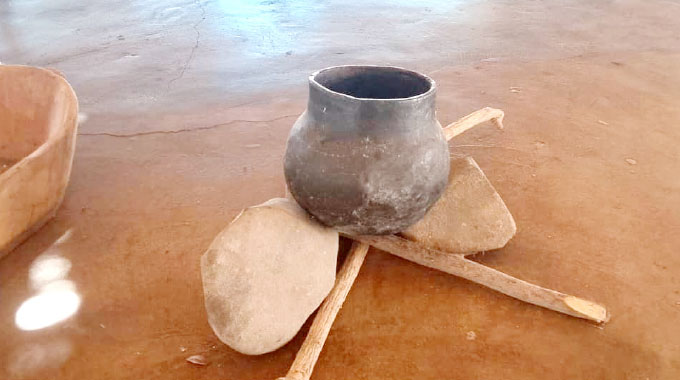
The tasting session was the centrepiece of AIHC’s crucial project, undertaken in collaboration with African Food Revolution (AFR) and Magriza Made Me Cook, with support from the British Council and Travel Savvy.
Officially titled “Tasting Session for the Documentation of Indigenous Foods”, the initiative aims to capture endangered culinary knowledge before it disappears.
AIHC’s director, Allington Ndlovu, explained the gathering’s dual purpose.
“This intimate event brings together two purposes: to experience a curated tasting of revived indigenous dishes documented in Matobo Ward 17, and to create a relaxed space to reflect on Amagugu’s work over the year, share insights, and discuss future programming.
The project focuses on documenting endangered culinary knowledge from community elders, creatively reinterpreting selected dishes, and capturing the process through film and visual documentation for future exhibitions and learning platforms.”
He outlined the project’s core objectives: meticulously documenting culinary wisdom from community elders, creatively reinterpreting selected endangered dishes, and capturing the entire process through film and visual documentation. This rich archive is destined for future exhibitions and educational platforms.
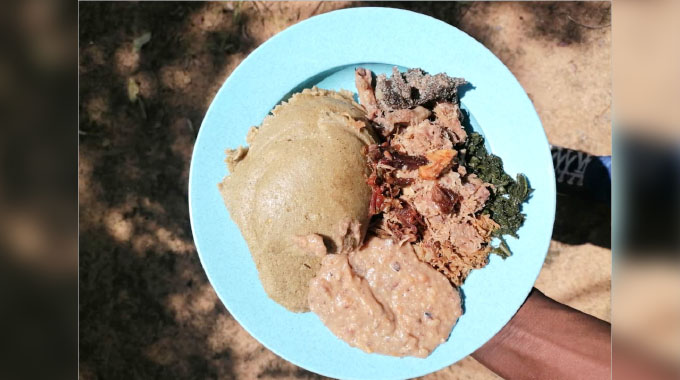
The carefully selected dishes presented for tasting sparked both delight and deep discussion. Five dishes, chosen by Matobo women, were deliberated upon, including the highly favoured isidlwadlwa — a dish once trusted in royal courts and forming the basis of a lively food quiz and debate spearheaded by AIHC Board member Sithandazile “Um’Africakazi” Dube.
Other highlighted dishes included amasi omcaba, isitshwala senyawuthi, ibhizha, isiswayi, and unkankalu. The women custodians not only showcased the preparation but also spoke knowledgeably about traditional food combinations and their inherent medicinal properties, adding another layer to the cultural significance of these foods.
Entertainment was provided by the Njelele Dance Group, adding rhythmic energy to the celebration of Matobo’s heritage. The event served as a crucial first circle for feedback from key stakeholders before a wider public presentation scheduled for a later date.
Beyond preserving recipes, AIHC envisions this initiative as affirming the profound cultural value of indigenous food knowledge. It seeks to foster vital dialogue between elders, creatives, and academics, and crucially, explore pathways for creating sustainable economic opportunities rooted in these traditions for local Matobo communities.
This culinary preservation drive aligns with AIHC’s broader commitment to safeguarding Zimbabwe’s heritage. The Centre has also partnered with the US Embassy in Harare through the Ambassador’s Fund for Cultural Preservation (AFCP) to conserve the ancient San rock art within the nearby Matobo Hills World Heritage Site.
This weekend, however, the focus was firmly on preserving the living heritage found in the kitchens and traditions of the Matobo people, ensuring future generations can still taste the unique flavours of their ancestors. The message was clear; loving and reviving local cuisine is an act of profound patriotism. —@MbuleloMpofu