Online Reporter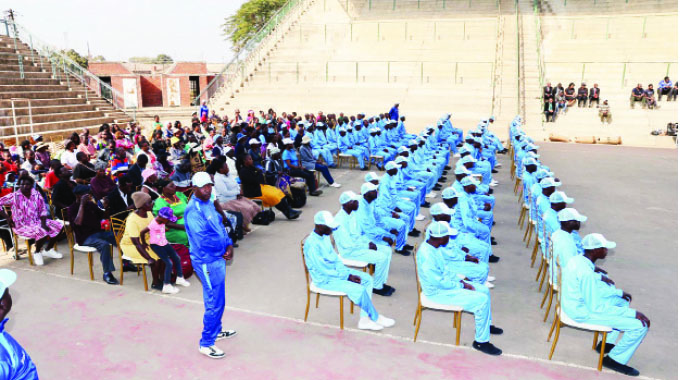
Blessings Chidakwa
Herald Reporter
The first group of drug survivors under the Angel of Hope Foundation has successfully completed the initial phase of rehabilitation and now enrolled for vocational skills training at a local training centre.
The milestone marks a major turning point for the young lives determined to shape their future.
They came in broken, lost in the fog of addiction. Today, they walk with heads held high not just as survivors, but as pioneers of a journey from despair to determination.
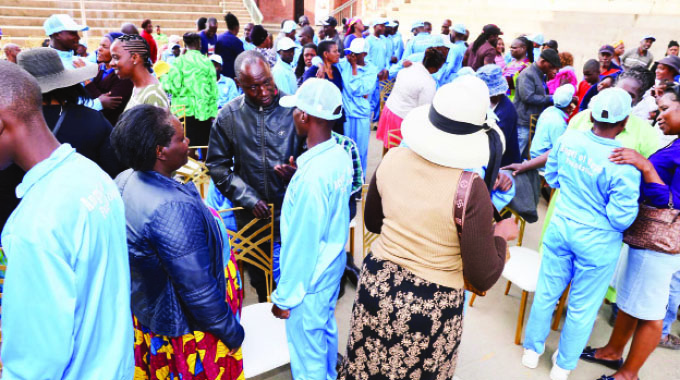
Before their departure to the Angel of Hope Drug Rehabilitation Centre, the recovering youths shared an emotional farewell with their parents and guardians.
The moment was filled with heartfelt reunions, warm embraces, tears of joy, spirited dancing and rekindled bonds that had once been strained by addiction.
In a joyful celebration of their progress, the survivors showcased a variety of performances before their loved ones, including singing uplifting songs, dancing with confidence while showcasing choreographed moves, and reciting powerful poems filled with messages of hope that visibly moved the First Lady.
The drug survivors also executed coordinated drills all a testament to their regained self-worth and determination.
Their path, now marked by courage and resilience, is a beacon of hope for families and communities grappling with the reality of substance abuse.
As always, they were smartly dressed, reflecting a renewed sense of pride and discipline.
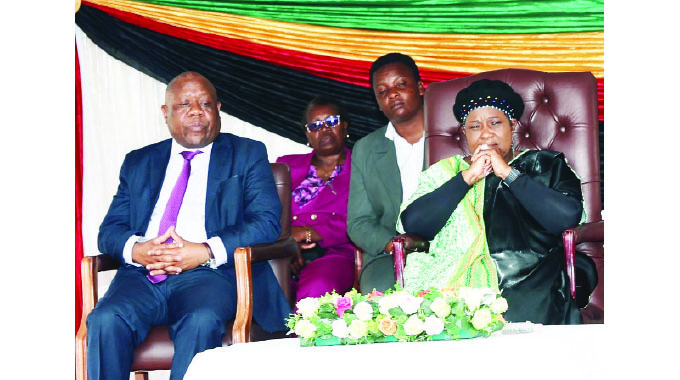
First Lady Dr Auxillia Mnangagwa, the driving force behind the programme, was upbeat as she came face to face with the first fruits of her centre.
Dr Mnangagwa reminded the survivors and their families that this milestone marked not the end of their journey but the start of a new phase in their lives.
“This is not the end of rehabilitation, but the beginning of a new chapter in life. Some parents may have wondered how their children would cope after being released, but I had a plan all along,” she said.
“My wish was never just to see each of them return home, but for them to move forward to be educated, empowered with practical skills, and prepared to rebuild their lives, support their families, and contribute meaningfully to society.”
Dr Mnangagwa said that when the parents first came with their children, it was a challenge that affected the entire household. Now, however, that was a thing of the past.
“Some have already forgotten how they used to behave, but please do not remind them of their past. These are now changed individuals who require your love more than ever,” she said.
First Lady Dr Mnangagwa said those who were released had been thoroughly vetted.
farewell to their parents and guardians as they embark on the next phase of rehabilitation where they were enrolled for vocational skills training at a local vocational training centre
“There are doctors and nurses who have been checking you to make sure you are fit to go. The Ministry of Youth has also been assessing which courses you want to take, and they do not accept people who are not yet well.
“They will not take someone who has not recovered fully. We do not want to hear false reports about where you are going concerning things you were not doing here,” she said.
Permanent Secretary in the Ministry of Youth Empowerment, Development and Vocational Training, Mr Solomon Mhlanga thanked the First Lady for initiating the rehabilitation programme for the drug and substance abuse survivors, pledging continued support.
“We are now taking the first intake of 50 to our youth training centre. There is a team ready for them to continue with the First Lady’s programme of instilling discipline and teaching vocational training skills so that they are equipped with practical skills and knowledge to become self-reliant and contribute to the economy.
“As a ministry, we stand ready to take all the batches of drug survivors on a monthly basis while we offer them youth service training and vocational training,” he said.
With renewed clarity and determination, the survivors are eager to lead purposeful lives.
The drug survivors were grateful for the journey travelled so far while also gearing up for the next phase, with one female drug survivor saying Dr Mnangagwa’s dream to rehabilitate them came at the most opportune time to save a drowning generation.
“I would also like to give thanks to the organising committee, training staff, doctors and nurses, and kitchen staff for their hard-earned incentive, just to ensure that everything runs to the expectations of these young mothers.
“I would like to promise Dr Auxillia Mnangagwa that their hard work won’t go in vain, as we are going to be the ambassadors of the Angel of Hope Foundation,” she said.
A male drug survivor said he never thought he would get a second chance at life.
“For years, I was trapped in addiction lost, angry, and hopeless. I hurt the people who loved me, and I couldn’t even recognise myself anymore. Every day felt like a dead end. But then, I was given a lifeline. Through the rehabilitation programme, I began to see myself differently.
“The First Lady and everyone involved didn’t look at me like a failure they saw someone worth saving. Slowly, I started to heal. I learned to forgive myself, to be accountable, and to dream again,” he said.
A female survivor said she was grateful for the rehabilitation phase she went through, as her life had indeed transformed.
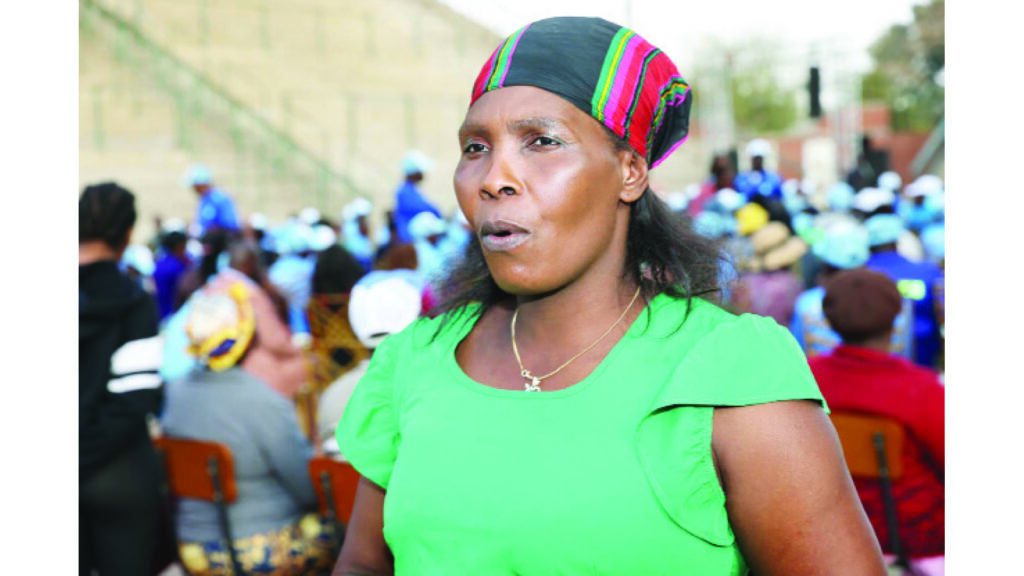
“I am grateful for being afforded an opportunity of going for a second phase of being taught skills it is more than enough, as we will no longer be wandering on the streets.”
“We are going to return as fully transformed people with more skills and can integrate with family and society nicely,” she said.
Another drug survivor said starting vocational training was a life-changing opportunity.
“It means I can finally build something of my own a skill, a future, a life with purpose. I want to be someone my family can be proud of.
“I know the journey isn’t over, but for the first time, I am walking with my head held high. I am not just surviving anymore. I am rebuilding,” he said.
Overjoyed parents and guardians also expressed their gratitude to the First Lady, recounting how drug and substance abuse had once devastated their families.
“I could not do anything in life, but you truly redeemed me by rehabilitating my child. There is no mother greater than you.
“To the administrators and trainers, a job well done. My child is now glowing and well-polished. I hope that in the next stage, they will return even more refined,” said one mother.
A man whose younger brother had been rehabilitated said he initially had no idea what to do once his brother was released, but those fears were eased by Dr. Mnangagwa.
“I met my brother, who had been lost, but now he is in a much better state even gaining weight. When I spoke with him, I could tell he now has a sense of direction. He’s a level-headed person.
“What brings me even more joy is knowing that he will now be taught vocational skills. At least he will have something to keep him focused and can reintegrate into society more easily,” he said.
Another parent described the initiative as nothing short of a miracle, praising the First Lady for spearheading a life-changing programme.
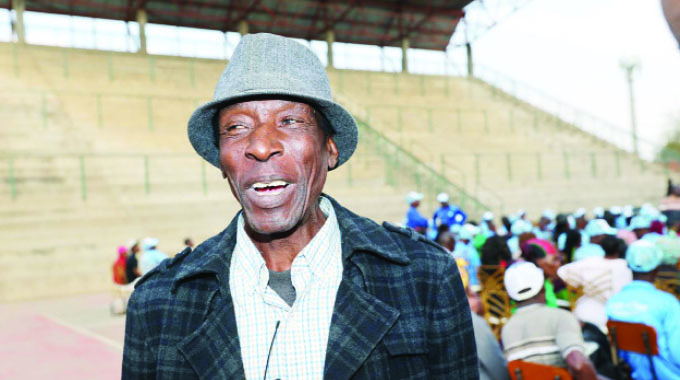
“We witnessed our children in high spirits, and it’s clear they are being well cared for. We thank you for giving them the opportunity to explore and use their talents,” he said.
A different parent said her son had once seemed like a lost cause. Despite her efforts to help him obtain a driver’s licence and a passport, his violent behaviour persisted.
“He would beat me whenever I tried to stop him from using drugs. But the change I have witnessed is overwhelming. Words can’t fully express my gratitude for how effective the rehabilitation process has been,” she said.
Presidential Affairs and Devolution Permanent Secretary, Engineer Tafadzwa Muguti, also thanked the First Lady for providing for all the needs of the children throughout their rehabilitation phase.
“What she does for her own children is exactly what she did for the drug victims providing proper meals and shelter,” he said.
With hope in their hearts and purpose in their stride, the graduates now head into skills training, ready to learn trades that will equip them for independent and productive futures.