

 Chronicle Editor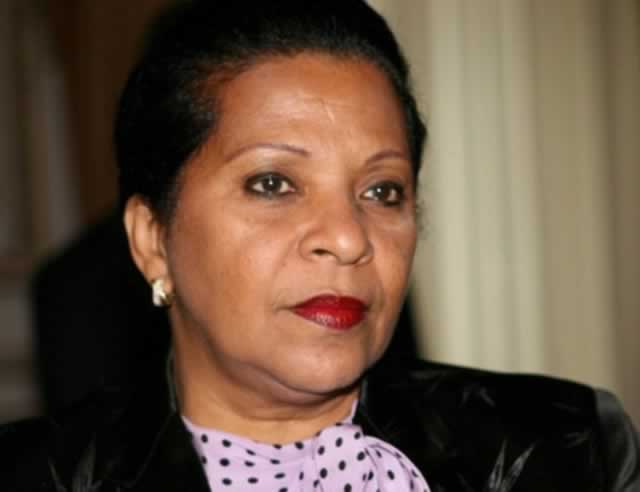
CAIRO. — Angola announced a major blitz against the ivory trade, pledging to end one of the world’s largest domestic ivory markets and enforce tougher border and screening measures, the UN Environment Programme (UNEP) said on Monday.
“The Southern African nation also promised to fulfill its commitments under the UN Environment Program-hosted Convention on International Trade in Endangered Species of Wild Fauna and Flora (CITES), including stepping up its efforts to implement its National Ivory Action Plan,” the UNEP said in a press release.
Speaking during the African Ministerial Conference on the Environment in Cairo, Angola’s Environment Minister Maria de Fatima Jardim, said authorities had banned the sale of ivory and ivory artefacts in Angola and the country would have a wildlife crime unit at Luanda’s international airport.
“We are determined to end the ivory trade and build a new Angola where both people and our unique species can thrive,” Jardim said.
Angola’s tough new stance comes as it secures plans to play global host to the World Environment Day (WED) on June 5.
Organised by the UNEP, this year’s WED theme tackles illegal trade in wildlife, aiming to mobilize global action concerning the cause.
To indicate its commitment, Angola joined 12 other nations as signatory on the Elephant Protection Initiative (EPI), which focuses on protecting African elephants through measures such as closing domestic markets.
UNEP Executive Director, Achim Steiner, said during the meeting that illegal wildlife trade destroys ecosystems and livelihoods, jeopardizes the law and national security, and undermines sustainable development.
“In recent years we have taken strong measures to combat this ordeal, including the first UN resolution on wildlife trafficking,” Steiner said, adding “Angola’s commitment sends a powerful message to poachers, and the international criminal networks supporting them, that they have no future.”
Angola has already begun alerting traders in Luanda’s Benfica market, where large amounts of carved ivory are sold in stalls.
“We informed ivory traders of our intention to stop ivory sales in the Benfica market, however we must ensure we do not drive the trade underground, therefore making it even more difficult to eradicate,” said Abias Huongo, Director of the National Institute for Biodiversity and Conservation Areas.
Little is known about the size of Angola’s remaining elephant population, which lived historically in the southeast of the country.
However, recent surveys results expected to be released in the coming months, will most likely confirm the sharp decline of Angola’s elephant population particularly during the country’s long civil war.
The number of elephants killed in Africa exceeds 20,000 per year, from an estimated total elephant population between 420,000 and 650,000.
However, reportedly 100,000 elephants were killed in the two years between 2010 and 2012, while the actual elephant population may currently be lower. — Xinhua.



 Online Reporter