

 admin
admin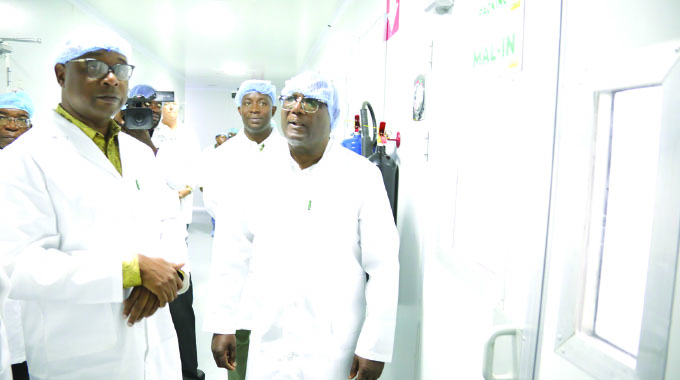
Precious Manomano
Herald Reporter
A modern animal health manufacturing plant, which is expected to help reduce the vaccine import bill, was officially commissioned yesterday.
The development is expected to save the much-needed foreign currency for the country.
The animal health plant, which was set up by TSL Limited’s unit, Agricura, will advance veterinary medicine, enhance disease control measures, and safeguard the livelihoods of farmers across the nation.
Designed to produce 240 000 to 300 000 litres of vaccines per year, the plant will produce vaccines for controlling internal parasites such as worms and flukes that are affecting livestock.
Speaking at the launch in Harare yesterday, Lands, Agriculture, Fisheries, Water and Rural Development Deputy Minister, Davis Marapira, said the new plant will directly support the Government’s Livestock Recovery and Growth Plan, the Agricultural Food Systems Transformation Strategy and the National Development Strategy (NDS1).
He added that the facility will boost ongoing efforts to enhance the health and productivity of livestock, which form the backbone of Zimbabwe’s agricultural economy.
“The challenges we face are formidable, but so is our resolve to overcome them,” he said.
“So, today we are not just inaugurating a manufacturing facility; we are laying the foundation for a healthier, more resilient future for our livestock and our people.”
TSL chairman Mr Antony Mandiwanza said the launch of the plant supports the clarion call by Government to embrace import substitution as the country moves to enhance economic growth in agriculture, particularly in the livestock sector.
“This is a new era in veterinary medicine and animal husbandry. The plant is designed to create a sustainable centre of excellence, which will alleviate the need to import vaccines in our country, but instead, produce animal remedies not only for Zimbabwe’s consumption, but also for exports into the region.
“So this is important for the African Continental Free Trade Area. But we must capacitate our productive capacity to be able to compete widely,” he said.
TSL Limited’s Agri-inputs general manager, Mr Collins Muchenje, said the facility will play a vital role in addressing the country’s livestock diseases challenges, contributing to the growth and development of the agricultural sector.
Every year, Zimbabwe imports over three million Foot-and-Mouth disease and anthrax vaccines from Botswana.
Livestock farming is a cornerstone of agricultural economies worldwide.
It contributes to Zimbabwe’s Gross Domestic Product by providing meat, milk, eggs, wool and other animal products.
These commodities are fundamental not only for domestic consumption, but also for export, enhancing trade balance and foreign exchange earnings.
In Zimbabwe, livestock production forms the bedrock of rural livelihoods.



 Online Reporter