Online Reporter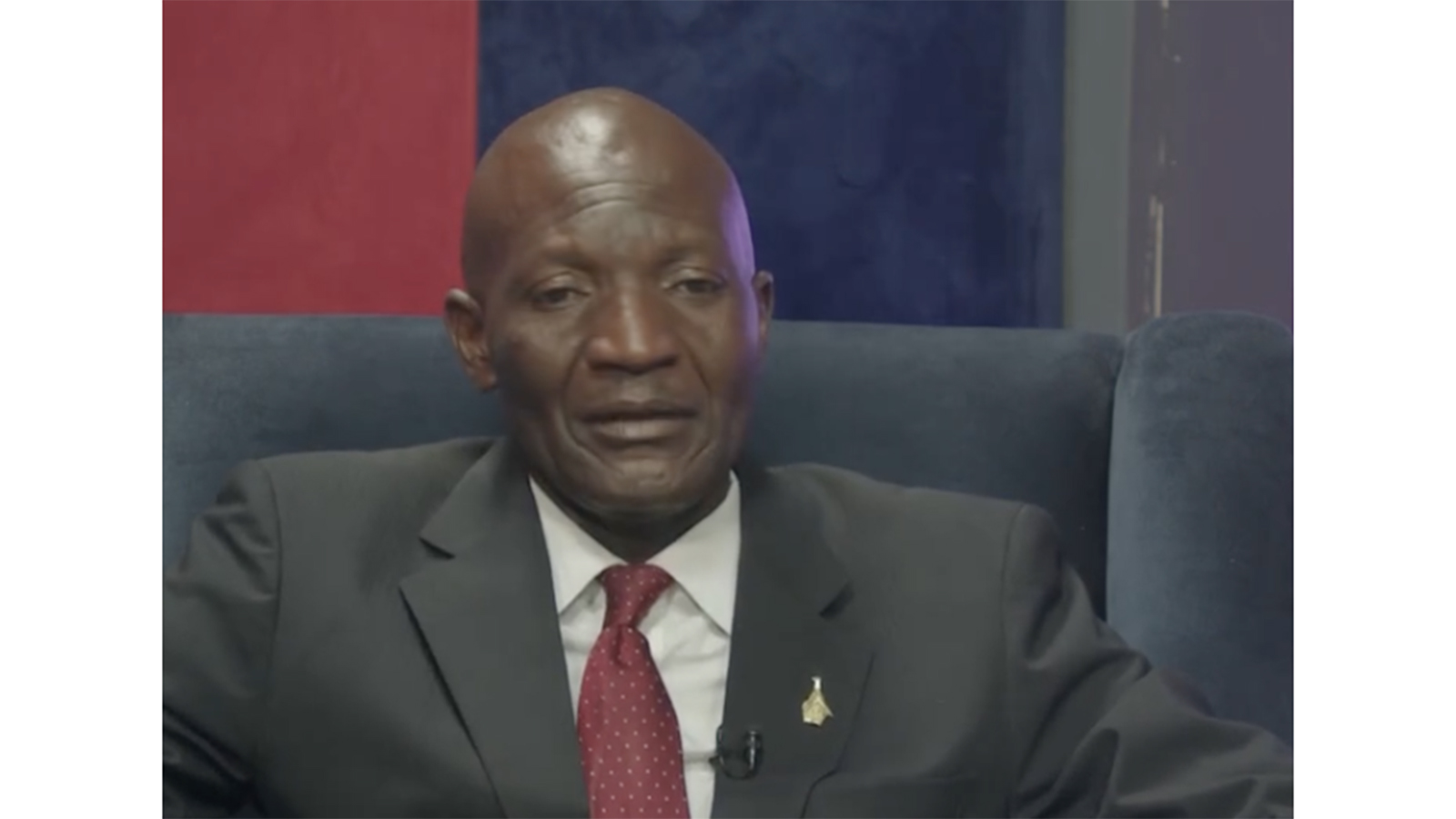
ZIMBABWE is preparing to mark the SADC Anti-Sanctions Day on October 25, a day dedicated to call for the unconditional removal of the illegal unilateral sanctions imposed by the United States and some Western nations.
Zimpapers Politics Hub Senior Reporter (Richard Muponde) had a sit-down conversation with the executive director of the Citizens Against Economic Sanctions (CAES), Mr Martin Zharare (MZ) who shared his sentiments on the organisation’s campaign to have the sanctions removed.
RM: It’s more than two-decades since sanctions were imposed on the country. How have they affected ordinary Zimbabweans in terms of access to service delivery?
MZ: Sanctions on Zimbabwe are real and are not targeted at individuals. Zimbabwe is under sanctions via the ZIDERA Act. Now, coming back to your question, the ZIDERA Act is a piece of legislation that limits and forbids Zimbabwe, not the targeted individuals, from accessing financial help from the World Bank and IMF. The Bretton Woods institutions provide countries with money for development.
Consequently, Zimbabwe has been excluded, and because of that, the people of Zimbabwe are the ones who are suffering.
These sanctions have affected our health sector. Prior to 2000, before sanctions our Government would go to the United Nations, to the World Bank and the International Monetary Fund to borrow money for developmental programmes and projects.
They would be borrowing money for developing our hospitals and buying equipment from all over.
But after the sanctions, everything stopped. So, where do the hospitals in Zimbabwe get money to retool our machinery? Nowhere.
The people of Zimbabwe must understand that they have to find that money from our own resources, which we have been doing.
So our health sector has been severely affected by the sanctions. If you go to hospitals today, we used to have medication that was coming from Bayer (A global public company and one of the largest pharmaceutical and biotechnology companies in the world).
But Bayer was instructed not to deal with Zimbabwe, because of sanctions. If they continued to trade with us, they risked being sanctioned too. So Bayer stopped. And most of the equipment we were using was imported.
RM: What strategies is your organisation using to mobilise both local communities and the international community to advocate for the removal of sanctions?
MZ: I am the founder and executive director of Citizens Against Economic Sanctions (CAES). The success of this movement is rooted in its evolution. When we started this movement in 2014, we were an emerging initiative, but today, we stand as a fully registered Private Voluntary Organisation (PVO) under the laws of Zimbabwe — we are now an NGO.
Our work and mandate, from day one until today, have been singular — to ensure the people of Zimbabwe understand, realise, and support the truth that Zimbabwe is under sanctions. The core strategy of CAES focuses on enlightening the people of Zimbabwe.
We have achieved this through nationwide anti-sanctions awareness campaign programmes. These campaigns target Zimbabweans in their homes, rural areas, cities, and villages. This approach has been very successful because today, CAES is active in all 10 provinces, reaching every village and district. We have recruited members who initially thought the issue was simply “a political issue in a political fashion.”
However, through our efforts of explaining the situation and having them read the ZIDERA Act which explicitly states that “the people of Zimbabwe are now excluded . . . [and] the Government of Zimbabwe is now excluded from the financial houses”, they have become enlightened. They now realise the real impact of these measures. The initiative is very successful, and we’re happy with its progress.
RM: As the nation gears up to commemorate the Anti-Sanctions Day, what key message is CAES sending to the world this year?
MZ: Firstly, we are very grateful to His Excellency, President ED Mnangagwa and the Second Republic because when he came into power, he pushed to have the sanctions removed very seriously. That is where we, as an organisation, started to get the impetus to move forward and become serious with this programme.
If you look backward, we used to hear even countries in SADC saying that Zimbabwe was under sanctions because of alleged human rights abuses. That narrative was given to the people. But when we look at the real reason we were sanctioned, it was because of the land issue.
This has nothing to do with the human rights. In fact, the ones who are calling out Zimbabwe for supposedly abusing human rights are the ones causing more mayhem and abusing people’s rights in the world. Our message this year is simple, no to piecemeal repeals — remove the sanctions in total. As long as our President is still under sanctions, we will continue calling for their removal.
RM: What specific activities or programmes has CAES planned in the lead-up to Anti-Sanctions Day to raise awareness and rally citizen participation?
MZ: The Government is going to play a very big role in ensuring all the people gather to mark the day so that the word and the voice of the President will be heard globally.
As you know, all our friends—the Chinese, the Russians, Cubans and SADC are saying no to sanctions on Zimbabwe. And we, as citizens, are saying that, in the run-up to October 25, we will be putting more pressure. Crucially, on October 25, we are no longer crying to Americans to say “no sanctions”. We are now saying we want reparations.
RM: As a follow-up to what you have been saying, then what message would you like to send to Western countries that continue to maintain sanctions against Zimbabwe?
MZ: You see, to the Western capitals that continue to maintain these illegal sanctions against Zimbabwe, we are sending a clear message: Zimbabwe has won the battle. We have always been winners, and we have won the battle against them. Our country is progressing, our peace is progressing, and our country is united.
We are saying, we are now coming to you as citizens of Zimbabwe to demand reparations for the loss of life, loss of income, and everything lost in trading, mining, agriculture, and education.
We want to be compensated for the billions and billions—over $50 billion—that we lost since 2000 due to these illegal sanctions. We are not supposed to be under sanctions. Americans have no right to sanction our country.
RM: How can the media and the public help in countering misinformation about the real impact of sanctions on Zimbabwe’s economy and its people?
MZ: Thank you for that. That is very important, because without the media, the people won’t get critical information. The West has used the media to misinform the world about Zimbabwe and the illegal sanctions regime.
This far, we appreciate how the sanctions debate had been handled. People are discovering the real elephant in the room: Sanctions.
Our media practitioners are simplifying the issues for the majority, but we would appreciate more reportage. We are grateful to the Ministry of Information, Publicity and Broadcasting Services for giving us a platforms on radio, television, and print to engage with audiences.
RM: And lastly, looking beyond the 25th of October, what long-term policy or advocacy goals does CAES hope to achieve in the fight against sanctions?
MZ: As I mentioned when we started our conversation, Citizens Against Economic Sanctions is a fully-registered Private Voluntary Organisation. As a fully-registered PVO, our mandate is not only to cry for the removal of sanctions, but also to find ways to mitigate the effects of sanctions.
Consequently, we are now focusing on a major project to lessen the impact of sanctions on our citizens. We are drilling boreholes in Binga, Mashonaland Central and Chipinge for irrigation purposes. We have started that project and are seeing good progress. Even if the Americans remove sanctions on Zimbabwe, the effects will be felt for the next 100 years.
CAES will, therefore, remain active in the developmental space, empowering our people in the community. We will ensure we find ways to help them, even after sanctions are lifted.
RM: Thank you, Cde Zharare for coming to Zimpapers Politics Hub, and we wish you the best in your endeavours in the fight against sanctions.