Online Reporter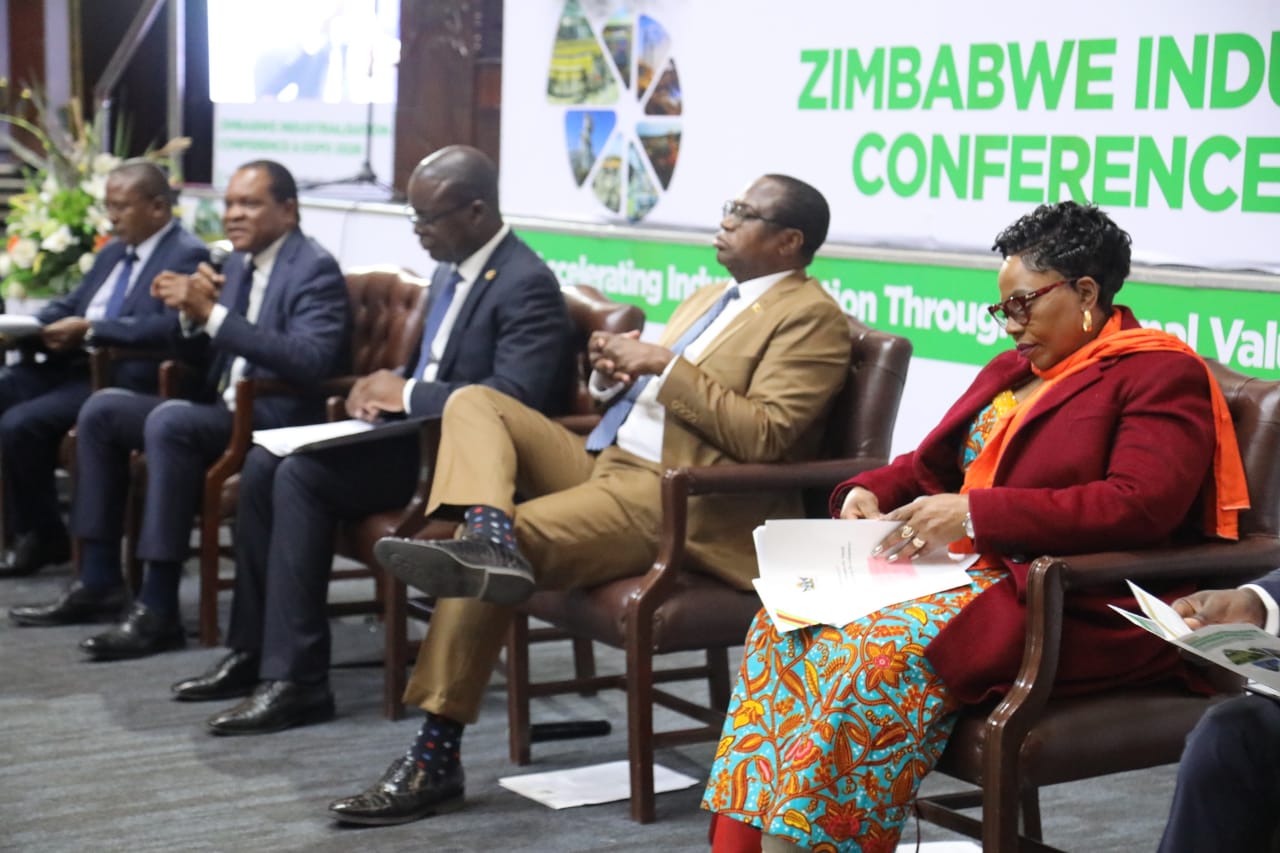
Business Reporter
Zimbabwe has been officially accepted into the Shanghai-headquartered New Development Bank (NDB), widely known as the BRICS Bank.
NDB is a multilateral financial institution established in 2015 by the BRICS nations (Brazil, Russia, India, China and South Africa).
Headquartered in Shanghai, China, it was founded to fund infrastructure and sustainable development projects in emerging markets and developing countries worldwide.
Minister of Finance, Economic Development and Investment Promotion Professor Mthuli Ncube told delegates attending the Zimbabwe Industrialisation Conference and Expo (ZICE) 2026 this Thursday that official admission into the NDB marks a critical breakthrough for the country’s economic recovery strategy.
Minister Ncube said joining the institution will open crucial pathways to unlocking much-needed, long-term capital for infrastructure and industrialisation—financing that has been conspicuously absent from the domestic economy for decades.
For over two decades, Zimbabwe has been unable to access direct concessionary loans or lines of credit from traditional international financial institutions, including the International Monetary Fund (IMF) and the World Bank.
Zimbabwe has accumulated billions in debt and arrears to foreign lenders, following an economic crisis fuelled in large part by illegal Western sanctions imposed at the turn of the century.
Under strict lending rules, both the IMF and the World Bank halted concessional lending until the debts were restructured or cleared.