Andrew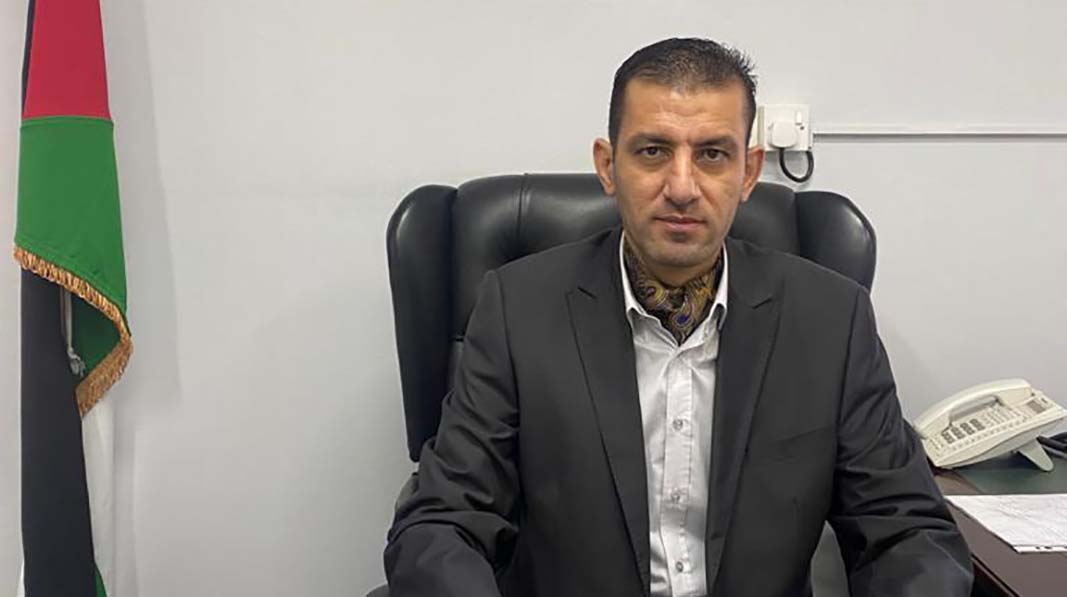
Leroy Dzenga and Wallace Ruzvidzo
LAST Tuesday, Zimbabwe rose to once again clamour for the removal of illegal sanctions imposed on the country by the United States and its Western allies.
Now an annual event on the diplomatic calendar, after endorsement by the Southern African Development Community (SADC), the October 25 Anti-Sanctions Day proved its worth, as the world rallied with Zimbabwe in the growing lobby for the removal of the embargo.
President Mnangagwa, who had lost his grandson and was represented by Vice President Dr Constantino Chiwenga, delivered a powerful national address, noting that, while there is no denying the immense drawbacks the country has to endure on account of sanctions, Zimbabweans have to successfully push their own development agenda, embodying the “Nyika Inovakwa Nevene Vayo” principle.
“This is a day SADC designated yearly to express its opposition to and outrage against illegal Western sanctions against Zimbabwe, until they are removed,” said the President.
“Be that as it may, these sanctions cannot sanction our minds, our original thinking, our skill sets, our energies and, most importantly, our God-given land as well as our natural endowments. We must, therefore, fully utilise all our creativity and endowments to insulate our economy from these sanctions, and to implement with great vigour our local development prescriptions, programmes and projects to improve the quality of life of our people,” he said.
In his speech to mark the Anti Sanctions Day, SADC Chairperson and Democratic Republic of Congo President Felix Tshisekedi said despite claims that the sanctions were “targeted”, the reality was that they had a poisonous effect.
“SADC is deeply concerned at the claim that the sanctions are of a ‘targeted nature’ and are aimed at unilaterally punishing a few individuals.
“The reality is that there is a spillover and contagion effect on the rest of the country, in particular by imposing a blanket negative perception about Zimbabwe across the world, in particular in the sensitive global financial markets,” President Tshisekedi said.
Ministry of Information, Publicity and Broadcasting Services Permanent Secretary Mr Nick Mangwana told The Sunday Mail that the statement by SADC — who are, in principle, owners of the day — was instructive.
“SADC is now clear that the sanctions are being sustained as a way of trying to manipulate political outcomes in Zimbabwe, with the ultimate objective of executing a regime change. SADC is taking a very dim view of that. The fallacy that these are targeted sanctions has been debunked and proved to be just cheap propaganda and the world now sees through that smokescreen,” said Mr Mangwana.
Mr Mangwana said, as the country becomes more aware of the detrimental effects brought by sanctions, those who begged for the illegal measures are feeling increasingly isolated.
“We had very good attendance at scheduled events from religious groups and members of different political persuasions.
“Those who did not partake in the activities are either unpatriotic or were the advocates of the evil sanctions, who want to get into power on the back of inviting suffering upon the poor. It’s now clear that those who advocate or impose sanctions on our motherland belong to a lunatic fringe,” he said.
Marches were held across the country’s 10 provinces, while a music concert was held in Chitungwiza. The music concert brought the discourse to the people. It brought to their dialogue tables nuanced conversations about the ruinous nature of the sanctions.
This year, both the edutainment and intellectual ends of the planning spectrum were satisfied.
One prominent event held for academics was a day-long anti-sanctions solidarity summit for discussions among those playing different roles in the communication sector.
Explaining the idea behind the summit, Ministry of Information, Publicity and Broadcasting Services Director for International Communications Mr Richard Mahomva said the idea arose after consultations involving media and communications, as well as advocacy personnel within Government.
The consultations were on how sanctions messaging can be improved, especially with the advent of Brand Zimbabwe.
“The thrust was to have holistic and cross-cutting interactions with the media as well as communicators. This was born out of a realisation that the media is affected by sanctions, too.
“What we did was to come up with resolutions.
“What is set to follow is a report of what was agreed upon during the summit, which will be compiled and circulated for reading by anyone interested,” said Mr Mahomva.
He said the event was more than just a talk show as there were deliverables that were agreed upon.
“There will be an Inter-Ministerial Anti-Sanctions Media Framework and the National Anti-Sanctions Press Framework. These will guide messaging around sanctions.”
Countries friendly to Zimbabwe said they will not stop lending their voices to the collective global call against sanctions, which is getting louder each year.
Ms Yoisy Ford Garcia, Charge d’Affaires for the Cuban Embassy in Zimbabwe, said her country’s growth has been greatly affected as a result of US sanctions that are now in their 60th year.
“Cuba cannot acquire any technologies and develop as a result of the United States of America’s foreign policy.
The embargoes only cause isolation and disrepute. We are happy that many Governments and Heads of State reject the sanctions against Zimbabwe. Zimbabwe has the right to live without sanctions and to live in peace. All countries have the right to defend their sovereignty and independence, and develop their society without foreign interference,” she said.
Palestine Ambassador to Zimbabwe Tamer Almassri said the human rights argument sometimes pushed by proponents of sanctions does not hold water.
“We denounce countries that impose sanctions on Zimbabwe without cause, yet they do not impose sanctions on countries like Israel, which continues to commit atrocities against the people of Palestine for a long time now,” said Ambassador Almassri.
“Palestine calls for the removal of sanctions imposed on Zimbabwe. We totally refuse any international or extreme interference in the home affairs of Zimbabwe,” he added.
As the anti-sanctions call continued last week, the momentum unsettled the United States, as American Senator Jim Risch, a member of the Senate Foreign Relations Committee, went on a rant on Wednesday, trying to downplay the solidarity given to Zimbabwe by SADC and the international community. This was a clear sign that the message is getting to the intended recipient. Of all Western sanctions imposed on Zimbabwe, the US’ Zimbabwe Democracy and Economic Recovery Act measures are the worst.



 Online Reporter