Online Reporter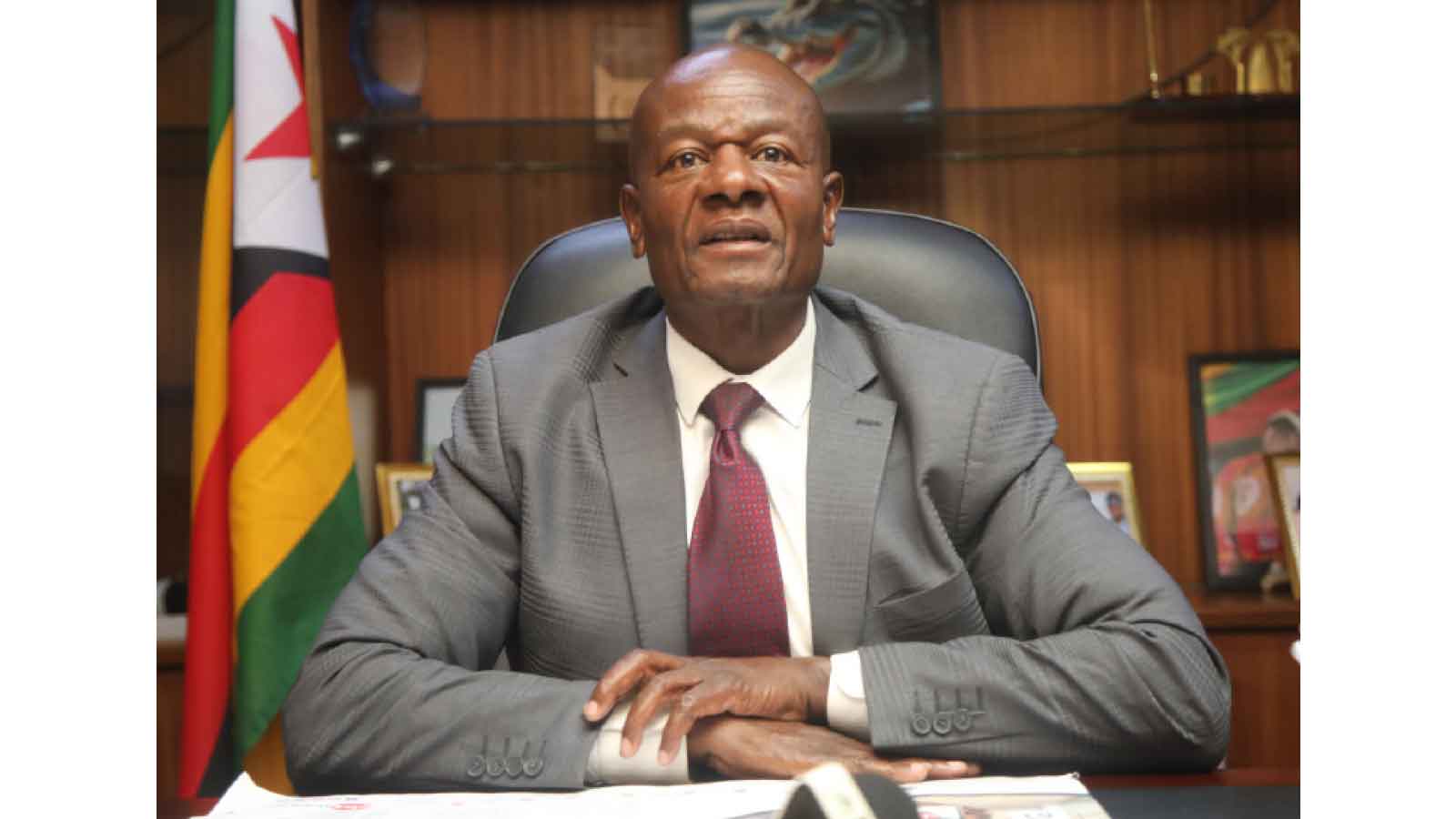
Oliver Kazunga-Senior Reporter
GOVERNMENT has declared war on illegal urban mining, approving a nationwide crackdown that will see a national taskforce established and tougher penalties introduced to curb environmental degradation, destruction of public infrastructure and lawlessness.
The decision follows an assessment carried out at Bindura Municipality and Bindura Rural District Council, which uncovered widespread illegal and unregulated mining in residential areas, public infrastructure corridors — and land reserved for future urban expansion, prompting Cabinet to adopt a co-ordinated national response.
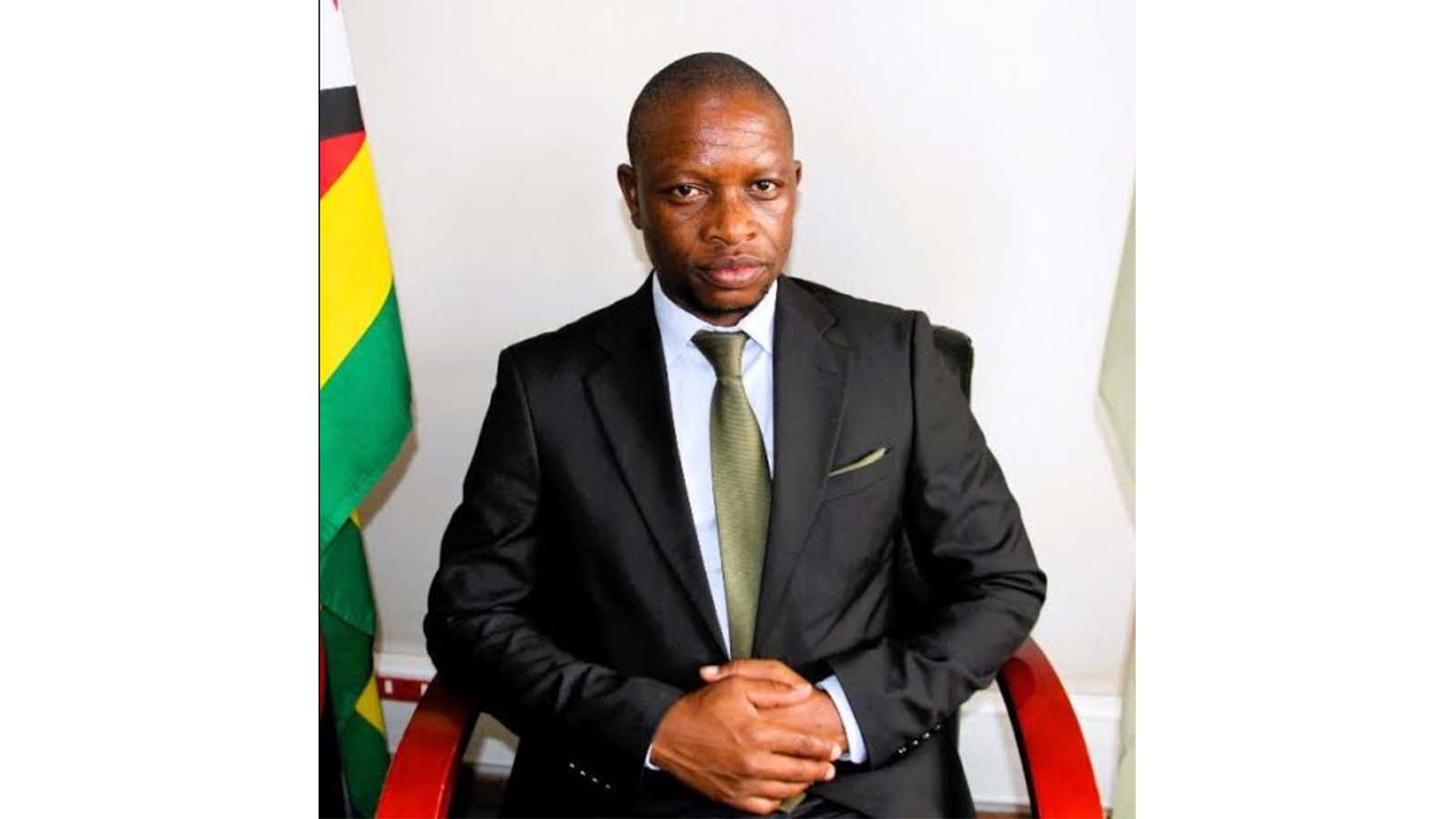
Addressing journalists during a post-Cabinet media briefing in Harare yesterday, Information, Publicity and Broadcasting Services Minister Dr Zhemu Soda said Cabinet had approved a “Whole-of-Government” approach to tackle the growing menace.
“An assessment undertaken at Bindura Municipality and Bindura District Council has confirmed extensive illegal and unregulated mining activities occurring within residential areas, public infrastructure corridors and land designated for future urban expansion.
“Accordingly, Cabinet resolved to adopt a Whole-of-Government approach and to appoint a national taskforce to deal with the problem,” said Dr Soda.
He said the taskforce would coordinate interventions across Government ministries, departments and agencies to strengthen enforcement of mining, environmental, local government and public health laws.
Cabinet also resolved to review existing penalties and fines to ensure stiffer punishment for offenders, while intensifying monitoring and law enforcement operations in affected areas.
Dr Soda said illegal mining was exacting a heavy social, environmental and economic toll, including the destruction of rail and road infrastructure, pollution of water sources and degradation of land earmarked for urban development.
He said the practice had also contributed to occupational diseases such as silicosis and tuberculosis, while fuelling drug and substance abuse and the spread of sexually transmitted infections in some mining communities.
The national taskforce is expected to spearhead coordinated enforcement operations aimed at protecting communities, safeguarding public infrastructure and ensuring that mining activities are conducted in line with the country’s mining, environmental and land-use planning laws.
The latest measures signal Government’s determination to restore order in urban mining areas, with coordinated enforcement and tougher sanctions expected to form the cornerstone of the nationwide crackdown.
Responding to questions from The Herald, Local Government and Public Works Minister Daniel Garwe said illegal urban mining had imposed high economic costs by destroying roads, railway infrastructure and State land reserved for schools, clinics and other public amenities.
“Urban mining has created pain and suffering for ordinary citizens. It has damaged land set aside for social amenities and disrupted economic activity through the destruction of road and rail infrastructure,” he said.
Minister Garwe said although Government had not yet quantified the financial losses, the impact on economic activity between centres such as Bindura and Shamva was substantial.
The latest crackdown is consistent with the Government’s broader policy of promoting responsible and sustainable mining to ensure the country’s mineral wealth contributes to economic growth without compromising communities, public infrastructure or the environment.
It also complements Vision 2030, which seeks to accelerate orderly urban development, strengthen infrastructure and support sustainable exploitation of natural resources as Zimbabwe pursues upper-middle-income economy status.
While launching the Responsible Mining Initiative Audit at State House in Harare in 2023, President Mnangagwa said his Government would increase oversight over all mining activities in the country and would not condone malpractices.
The mining sector is central to the attainment of the country’s Vision to become an upper-middle-class economy by 2030.
Currently, the sector contributes about 15 percent to Gross Domestic Product while accounting for over 75 percent of national export earnings, and provides a major share of Government revenues and foreign direct investment, anchored heavily by gold, platinum group metals and lithium.