Online Reporter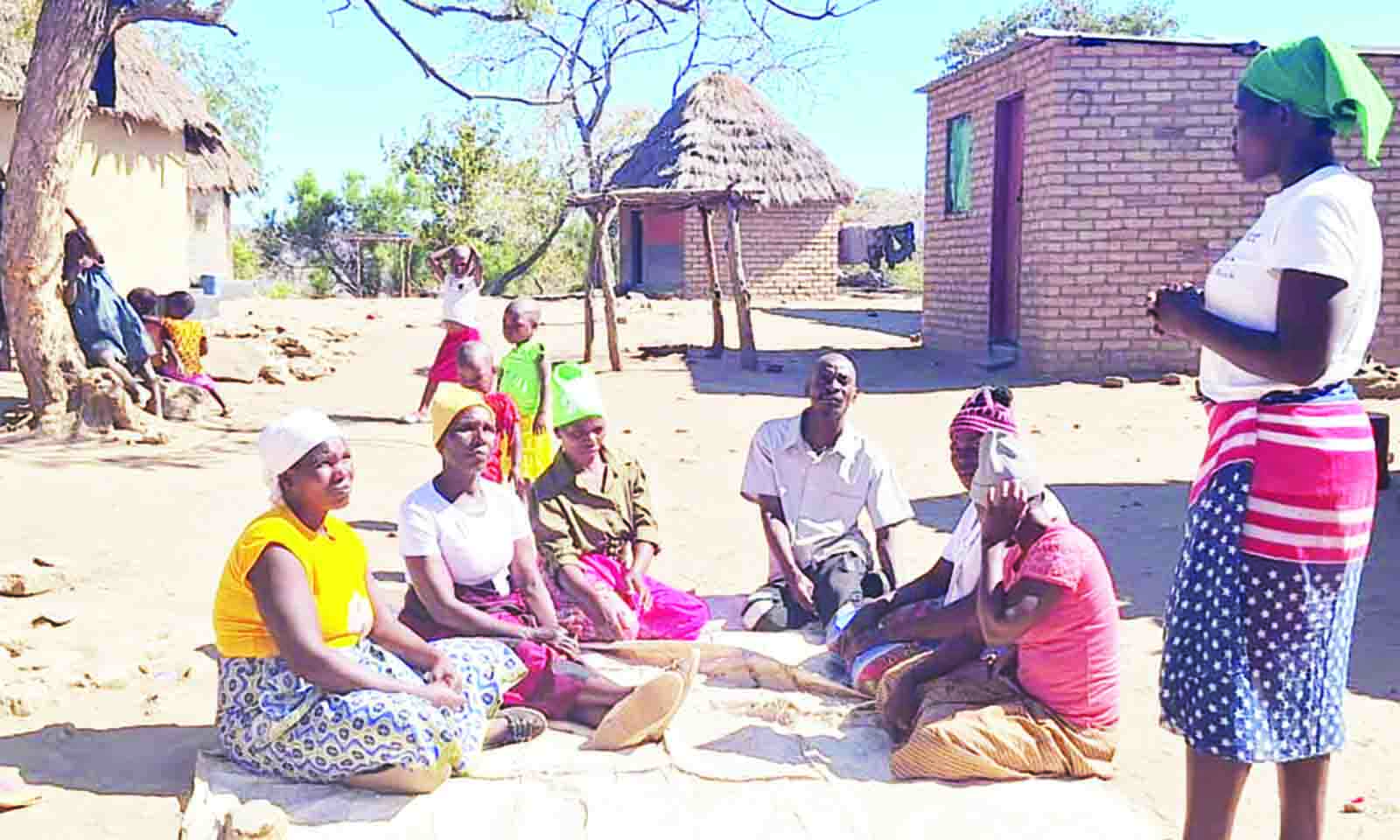
Rumbidzayi Zinyuke recently in MT DARWIN
MEMBERS of apostolic sect churches in Mt Darwin are embracing community-led nutrition initiatives that are helping reduce malnutrition and child stunting, with care groups leading the transformation.
Through peer-led care groups introduced by the Food and Nutrition Council (FNC) and supported by various ministries, households are adopting improved feeding practices, hygiene routines and home-grown “four-star” diets, resulting in healthier children and measurable reductions in stunting.
Traditionally, many apostolic sects have resisted routine clinic visits due to religious doctrines, but in Tsai Village, they have embraced health education and are taking an active role in the care groups.
The care group model has been crucial in reshaping attitudes within apostolic communities.
Mr Greatman Madyira, a member of the Johane Marange Apostolic Church, leads one of the care groups in the village and according to him, he decided to join after realising that giving his family nutritious food was not going against church doctrine.
“When I joined this care group, I actually learnt how to fend for myself, especially since I have a big family. I have five wives and 27 children and every year, at least two of my wives get pregnant. At first, I didn’t understand why it was important to feed the family nutritious foods, especially pregnant women, but now I understand they need iron and zinc, which they get from foods we grow in our fields, so they no longer crave soil. My wives and children used to be very weak and unhealthy, but now they are fit and healthy. I have convinced others that we are not going against the church doctrine but just deciding to prioritise the health of our families,” he said.
For Mrs Anna Chivarange, a fellow Marange Apostolic Church member, the decision to join was driven by a desire to catch up with better child-rearing practices.
“I was born into the Marange Apostolic Church and married within the church. What prompted me to join the care groups was the feeling that we were falling behind, especially in how we raised our children. But once we joined and learnt how to feed and care for them, we saw real improvements in our children’s health through the four-star diet and the six-stage behaviour-change model,” she said.
Ms Christine Lisalo said joining a care group saved her child’s life.
“I had a child who was born preterm at seven months. When she was discharged and we came home, she could not sit at the expected time and was diagnosed with stunted growth. That’s when I joined a care group and began feeding her a ‘four-star’ diet, as we had learnt, mixing eggs and milk into her porridge every day. She recovered very well and now she is healthy,” she said.
Village health workers confirm that the programme is reversing years of poor outcomes.
“Children from apostolic sects used to die in large numbers. Those who survived were often stunted, and many children, especially members of the Marange Apostolic Church, were unwell or died. These initiatives have changed things and we are seeing a great improvement,” said Mr Josphat Munaki.
Another village health worker, Ms Kestah Marufu, explained how the groups are structured.
“We have established many care groups in this area; every village health worker serves as a promoter. Each group comprises 10 to 15 members who live near one another. In my village, I coordinate four care groups made up of newlywed mothers, pregnant mothers, breastfeeding mothers, and grandmothers caring for young orphans. Our aim is to use foods grown locally, such as beans, African peas, carrots and butternuts, to nourish our children. We don’t buy; we grow,” she said.
The care groups have made a tangible impact in the communities. Tsai village head Mr Latson Chongo said the results spoke for themselves.
“Ever since the care group programme began in this village, we have seen major improvements in the health and well-being of our children. Before the programme, many children used to die, but now, they are very, very healthy,” he said.
With at least 27 percent of children under five in Zimbabwe still stunted, well above the World Health Organisation’s 20 percent threshold, the care group model is seen as a critical tool in helping the country meet its Sustainable Development Goal of ending hunger and child stunting by 2030.