

 daniel chigunwe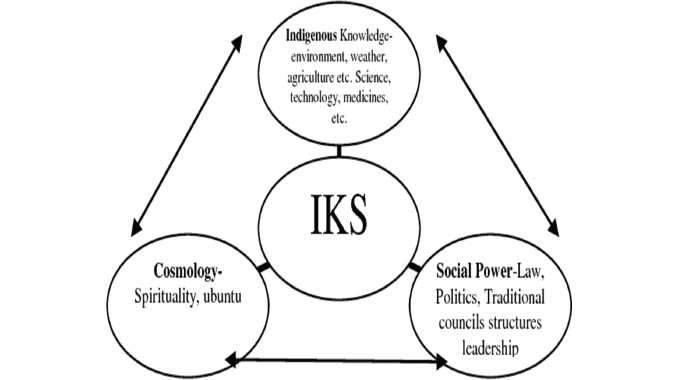
Timothy Pemba
In an age dominated by cutting-edge technology and modern medicine, it is easy to overlook the immense value of Indigenous Knowledge Systems (IKS). These traditional practices, developed and refined over generations, often hold the key to addressing everyday challenges with simplicity and efficacy. My recent encounter with a persistent stomach ache reminded me of the incredible potential of IKS and the importance of preserving this rich repository of wisdom.
Last week, I found myself grappling with an intense stomach ache that modern remedies failed to alleviate. Despite consulting a local pharmacy and adhering to prescribed medications, the discomfort persisted.
Frustrated and weary, I turned to my mother, who shared a remedy from her youth in Bocha, a rural area steeped in tradition. Her solution, a simple concoction derived from indigenous plants, worked wonders. Within hours, the pain had subsided, leaving me in awe of the efficacy of traditional practices.
This experience served as a powerful reminder of how Indigenous Knowledge Systems can complement modern science, providing practical solutions to everyday problems. It also highlighted the urgent need to integrate and preserve IKS in our rapidly evolving world.
Indigenous Knowledge Systems represent the collective wisdom of communities, often transmitted orally through stories, rituals and practices.
This knowledge encompasses various domains, including agriculture, medicine, environmental conservation and social governance.
In Bocha, for instance, traditional healers rely on an intimate understanding of local flora to treat ailments effectively. This knowledge is not only practical but also sustainable, rooted in a deep respect for nature and its resources.
The global healthcare system faces numerous challenges, including rising costs and limited access to services in rural areas. Indigenous Knowledge Systems offer a complementary approach to addressing these issues.
Herbal remedies, like the one my mother used, are often more accessible and affordable than pharmaceuticals.
They also provide a sustainable alternative, reducing dependency on industrially produced medicines. For instance, communities in Zimbabwe have long used plants such as Moringa oleifera and Aloe vera for their medicinal properties.
These plants are now gaining recognition in global health circles, with research validating their efficacy in treating various conditions. By integrating such traditional remedies into mainstream healthcare, we can create a more inclusive and holistic system.
Despite its value, Indigenous Knowledge Systems face numerous threats, including urbanisation, cultural erosion and the dominance of Western science. Younger generations often view traditional practices as outdated, opting instead for modern solutions.
This shift not only endangers the preservation of IKS but also deprives communities of practical tools to address their challenges.
Moreover, the lack of formal documentation and recognition of IKS poses a significant barrier. Much of this knowledge exists in oral form, making it vulnerable to loss as elder custodians pass away.
Without concerted efforts to document and integrate IKS into educational curricula, this invaluable heritage risks extinction.
To ensure the survival and relevance of Indigenous Knowledge Systems, a multi-pronged approach is necessary. Governments and academic institutions should prioritise the documentation of IKS.
Collaborations with local communities can help capture this knowledge authentically while respecting intellectual property rights.
Incorporating IKS into school curricula can foster appreciation and understanding among younger generations. Public awareness campaigns can also highlight the relevance of traditional practices in modern contexts.
Policymakers should recognise and support IKS as a valuable resource. This includes funding research, promoting sustainable practices, and protecting the intellectual property of indigenous communities.
Bridging the gap between traditional and modern knowledge systems can yield innovative solutions. For example, pharmaceutical companies could partner with traditional healers to develop new treatments, ensuring equitable benefits for all stakeholders.
Empowering communities to take ownership of their knowledge is crucial. This includes supporting traditional healers, encouraging intergenerational knowledge transfer, and creating platforms for sharing IKS.
Beyond healthcare, Indigenous Knowledge Systems hold immense potential for business and entrepreneurship.
Traditional crafts, agricultural practices, and culinary traditions can inspire innovative products and services. For instance, the global demand for organic and sustainable products has created opportunities for indigenous communities to market their goods internationally.
In Zimbabwe, traditional foods such as sadza ne muboora (maize meal with pumpkin leaves) and herbal teas made from local plants are gaining popularity in urban markets.
Entrepreneurs can leverage IKS to create niche products that cater to health-conscious consumers, combining tradition with modern branding and marketing strategies.
My experience with my mother’s remedy underscores the untapped potential of Indigenous Knowledge Systems in addressing everyday challenges. It also serves as a wake-up call to preserve and promote this invaluable heritage.
By recognising the value of IKS and integrating it into our lives, we can create sustainable solutions that honour our cultural roots.
As we navigate the complexities of modern life, let us not forget the wisdom of our ancestors. Indigenous Knowledge Systems offer more than practical solutions; they embody a philosophy of harmony, resilience, and respect for nature.
By embracing this legacy, we can build a future that is not only innovative but also deeply rooted in tradition.
In the words of an African proverb, “When an old man dies, a library burns to the ground.” This sentiment captures the urgency of preserving Indigenous Knowledge Systems before they fade into oblivion.
My journey back to Bocha’s traditions reminded me of the power of IKS to transform lives and address pressing challenges.
Let us champion this cause, ensuring that future generations inherit not just the knowledge of their ancestors but also the wisdom to apply it in their daily lives.
Whether it’s a simple remedy for a stomach ache or a sustainable business idea, IKS holds the promise of a brighter, more balanced future for us all.
Timothy Pemba is a student of the Decolonisation of Africa with a deep interest in the continent’s socio-economic transformation and its role in the global landscape. He writes in his capacity; that opinions expressed do not reflect the views of any organisations he may be associated with. He can be contacted via email at [email protected]



 Online Reporter