Online Reporter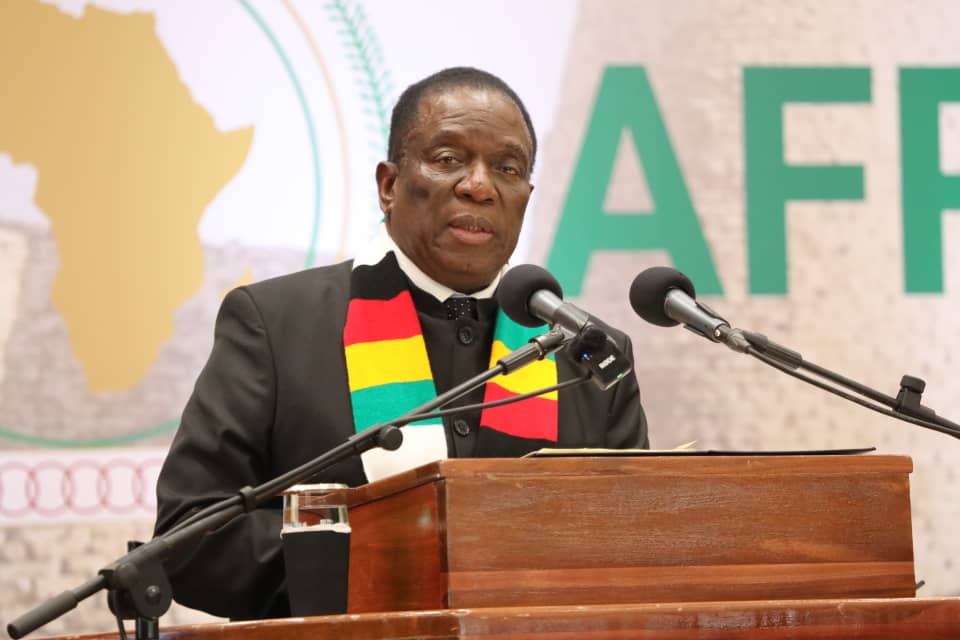
THE African Peer Review Mechanism is a remarkable benchmark set up by the African Union to allow countries to submit to other Africans what they have done, what they are doing and what they plan to do as they build up the political, social and economic development of their countries.
The peer review mechanism is inside the African family and siblings usually have very clear ideas of what each of them are doing and should be doing.
They would also rather get things straight early than have to jointly help clean up a mess later, so are not going to dodge responsible comment and criticism.
So for different reasons the self-assessment process within the continent produces a range of positives without the difficulties outsiders might bring.
Zimbabwe joined the process in 2020 and a review team has been active for some time.
Yesterday, President Mnangagwa launched the initial review report for the country, ‘Economic Governance and Management’.
This is one of the six pillars of the review process and one where active work was set up at the African Peer Review Forum of Heads of State and Government when Zimbabwe joined the process.
The review team presented their report to President Mnangagwa at the AU Summit in February this year and since then it has been peer reviewed by other African leaders in the mechanism.
So the final report that has been launched and circulated contains a lot of considered opinions.
Launching the report yesterday, President Mnangagwa made it clear that while economic growth was essential and high-class economic governance and management was vital to that goal, the African and Zimbabwean commitment went further, that this development had been made equitable, benefiting all.
The core policy of the Zimbabwean Second Republic that no one and no place is left behind exemplifies this ideal.
Africa learnt during the colonial period that seeing the fruits of growth and use of assets and natural resources being shared exceptionally unequally, with a small minority getting most of the benefit, was not a valid social policy.
The growth of more unequal societies in other parts of the world in recent decades has failed to impress.
Initiative, innovation and entrepreneurship can all be rewarded without casting the majority into deepening poverty. Gross National Product is just one measure and an important one.
But just as important is how this growing wealth is spread by opening the doors to all, and doing so in a practical way so all are included and leaving no one behind.
The review team saw the practical efforts to get everyone on board including policies such as land reform, correcting a serious historical imbalance, and the stress on rural development, lifting the poorest Zimbabweans out of poverty by giving them the practical opportunities, such as the village business units.
In yesterday’s address, President Mnangagwa, as is his want, looked at what practical policies his Government had actually achieved, covering a wide range of issues that had been talked about with variable action. The Second Republic has been highly practical in making policies work for ordinary people.
One example was land reform, where a lot of people who had been allocated land were still subsistence farmers, scraping a living in a good year.
The major revolution here involved applying the best research on how a small-scale farmer could climate-proof their efforts, providing highly-accessible training and back-up, and then tying provision of inputs to commitments to use the new methods. And a lot of families are moving out of poverty, and are growing the Zimbabwean economy.
We all know of the “back to basics” of the economic technocrats that the President brought into the fiscal and monetary policy formulation, and then backed for the considerable time they needed to fix things. Again a set of highly practical results which we are now enjoying.
The list goes on. The peer review allows people who face similar problems and concerns to look at what we are doing and from their own experience offer advice and if necessary constructive criticism. And, of course, also learn something where we are obviously getting desired results.
No matter how good we, or anyone else in Africa, is doing, we all need to push forward ever harder to give the 1,5 billion Africans a decent life. Sharing our experiences, successes and areas where we might have fallen short means we can continually refine the practical policies that we and everyone else needs to turn long-term goals into reality.