admin
admin
Elton Manguwo
AMID intensifying preparations for the 2024/25 summer season, it is crucial for farmers to avoid stream bank and wetland cultivation, as this causes irreversible environmental damage to the natural ecosystem.
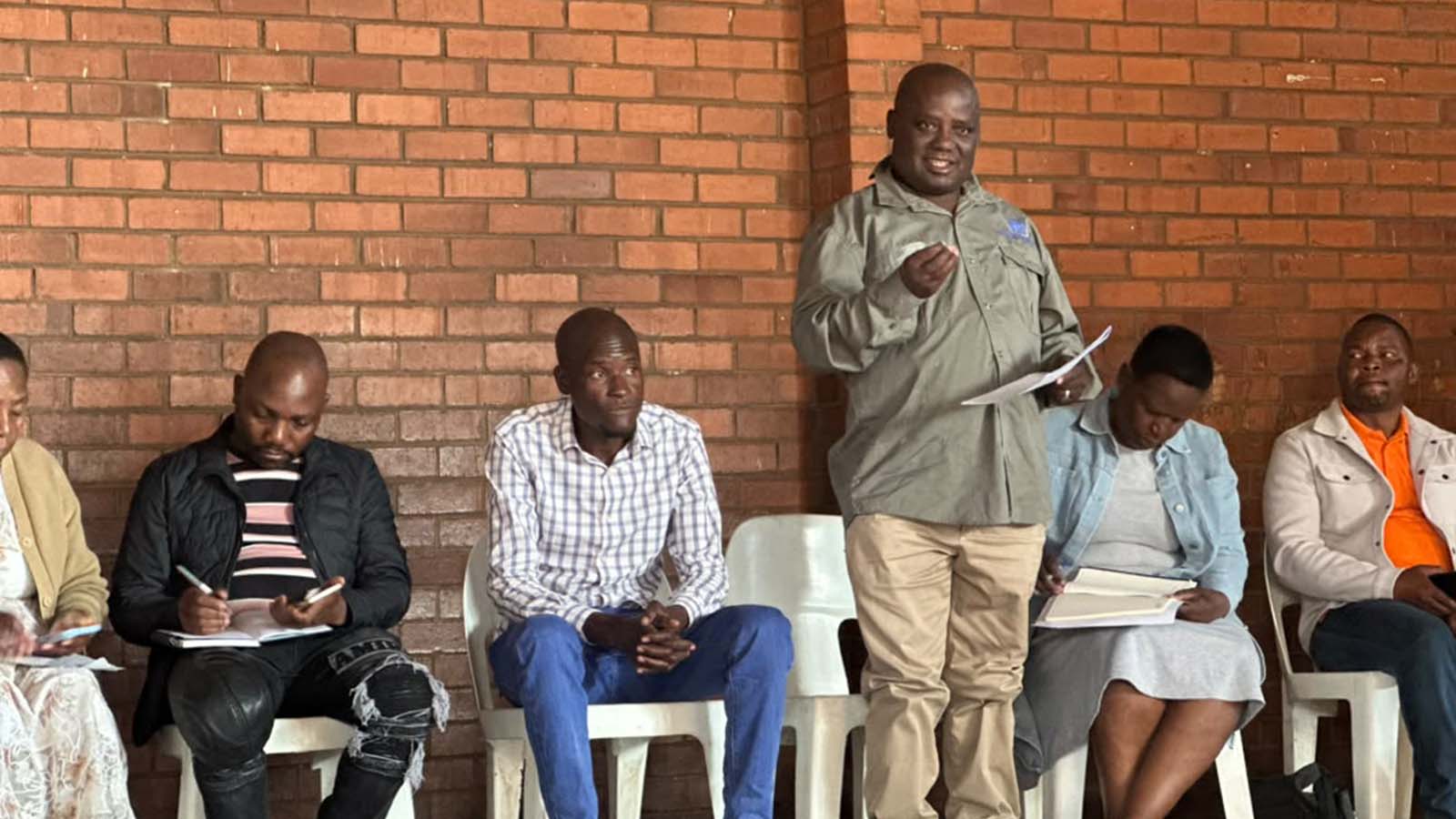
Delivering his message during a summer planning workshop titled – ‘Unpacking the 2024/2025 summer plan’ in Harare recently, Agricultural Rural Development Authority (ARDA) chairperson Mr Ivan Craig castigated the practices saying although seemingly beneficial in the short-term, they could have devastating long-term consequences on the delicate natural ecosystems.
“Sustainable farming methods that prioritise environmental conservation are essential for ensuring the longevity and health of the country’s natural resources,” said Mr Craig.
Streams and wetlands play a crucial role in regulating water flow, filtering pollutants and providing essential habitats for a diverse array of plants and creatures.
When farmers cultivate on stream banks or encroach upon wetlands, they disrupt these natural processes as the removal of vegetation and the disruption of soil structure can lead to increased erosion, sedimentation and nutrient runoff.
“The long-term impact of these practices is irreversible, compromising the very resources that sustain agricultural productivity,” said Mr Craig.
By cultivating on stream banks and encroaching on wetlands, farmers risk destabilising the environment and causing problems such as soil erosion, increased flooding and disruption of natural water filtration processes.
“This can degrade water quality, harm aquatic ecosystems and even compromise the productivity of farmland. In addition, the loss of wetlands can exacerbate flooding and droughts, putting agricultural operations at greater risk of weather-related disasters,” said Mr Craig.
It is therefore imperative that farmers embrace more sustainable farming methods that prioritise environmental conservation.
“By taking proactive steps to protect these vital resources, farmers can ensure the long-term viability and resilience of their operations, while also contributing to the overall health and well-being of the communities they serve,” said Mr Craig.
In addition, Government through the Presidential Inputs scheme Pfumvudza/Intwasa has been making in-roads towards into promoting sustainable farming practices in the agricultural sector.
The Presidential Inputs Scheme Pfumvudza/Intwasa is actively promoting a key aspect of sustainable farming practices – the careful selection of crops that are well-suited to local agro ecological conditions.
Through this initiative, farmers are encouraged to align their crop choices with the specific climate, soil characteristics and water availability in their respective regions.
“By aligning crop choices with the unique environmental characteristics of a region, farmers can optimise agricultural productivity while minimising the need for intensive input deployment and potentially damaging practices,” said Mr Craig.
This holistic approach to crop selection is a crucial component of transitioning towards more environmentally-friendly and economically-viable agricultural practices as the country moves to achieve food self-sufficiency.


 Online Reporter