Chronicle Editor
Robin Muchetu, Senior Reporter
AFRICAN communities have always been known to be conservative. Families have existed in a closely knit set up that takes no issues with having extended families. In fact, the aphorism till death do us part is not only limited to newlyweds but even to taking care of the senior family members who can no longer take care of themselves.
That has been the case for centuries but globalisation has seen a gradual assimilation of more alien values of Western culture including a new trend in which the aged are now being sent to “care” facilities. This has somehow threatened the remaining vestiges of the African culture.
The turn of the millennium came with a greater number of Zimbabweans working in Western countries mainly as care workers. This has opened up locals to the benefits that come with sending their relatives to such facilities locally and with it a major shift in cultural acceptance of the same. Old age comes with several demanding needs, as the body continues on a downward course with the mind starting to deteriorate and in some cases becoming delusional and to a state where one struggles at times to do simple tasks. This calls for the need for extra care of the elderly. Traditionally they have always been kept by immediate family members or close relatives but with the busy lifestyles people now lead, there seem to be changes.
The demand for caregivers in Europe has been met with a proliferation of training schools and this has also seen a rise in the availability of the same locally who now offer their services in communities. In interrogating the emerging trend versus the African way of doing things, interesting revelations came out. After caring for her aged grandmother for over four years, Mrs Jubilee Moyo of Bulawayo, decided to find a care home that could house her.
“Aged people need a lot of attention and care, while it is true that we have an extended family system in our African culture, there are times when we deviate from the norm and find workable solutions for our challenges. I cared for my grandmother for four years with no assistance. I had to leave my job for those years and be the caregiver for her as it was becoming increasingly impossible to take care of her and also go to work,” she said.
Africans according to Mrs Moyo value death and always want their relatives to depart with dignity and peace surrounded by their loved ones which she said was not found when one was left to take their last breath surrounded by strangers in care homes. However, she failed to cope with the demands that came with caring for an aged person with dementia and had to go the care home route. Dementia is described as not being a specific disease but rather, a general term for the inability to remember, think or make decisions that interfere with doing everyday activities (Centre for Disease Control and Prevention).
“I took in my grandmother who had developed depression and dementia not knowing that it was a lot of work, I now understand why in Europe care is expensive due to the amount of work it comes with. In Africa we do not understand dementia much, we see it as other things like witchcraft. One forgets who they are and their memory rewinds to decades ago. My granny would remember things she used to do as she was growing up and was unaware of current issues. She also would ask about relatives that died 30 to 40 years ago and this is usually misinterpreted in our societies as bad omen.
“My grandmother could not remember many things. We would talk about one thing now and seconds later she has no clue what we were talking about. The challenge was however, that I had to stop working in order to care for her. She required that I bathe her every day, and it was actually teaching her how to bath, and use body cream because she no longer could do it alone, she could not control her bowels too. She basically had lost touch with the ability to do anything, so, daily I had to remind her, it was a hands-on job. Another challenge was that she would wander into the streets if you were to accidentally leave the gate unlocked, at one point she walked from our home in Hillside and we found her in Emganwini suburb (about 7km away). That is the nature of people with dementia and it is difficult to manage.”
She highlighted that despite the availability of funding to purchase food, adult pampers and clothing the job of caring required more than just money.
“Caring for an aged person also takes away a lot of your own life. I could not leave the house because there was no one to watch over Gogo. This is the predicament I find many people in which leads them to send their elderly to care homes where they are watched over religiously by carers,” she said.
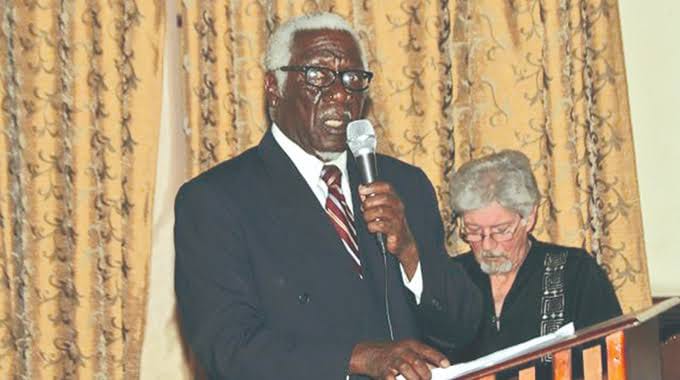
Reverend Newman Kolobe who is also on the board of Emthunzini Wethemba Children’s Home said sending the elderly to a care home was unAfrican.
“It is unAfrican, our forefathers used to keep their parents and grandparents within the home until they depart. My own grandmother lived to be very old and she was kept in the home and they ended up smearing mud on her body to keep the flesh intact (ukubhada). Taking a Christian point of view, we are supposed to be with our parents till death, so I think it is essential to take care of them in the home rather than outside,” he said.
Rev Kolobe said the elderly also have a role in passing down oral tradition to the newer generations and said sending them to care homes will see important parts of history being lost as generations come and go. However, he said there are situations where people were living abroad and there was no one suitable to care for the elderly, so a care home becomes the next best option. — @NyembeziMu


 Online Reporter