Vusumuzi Dube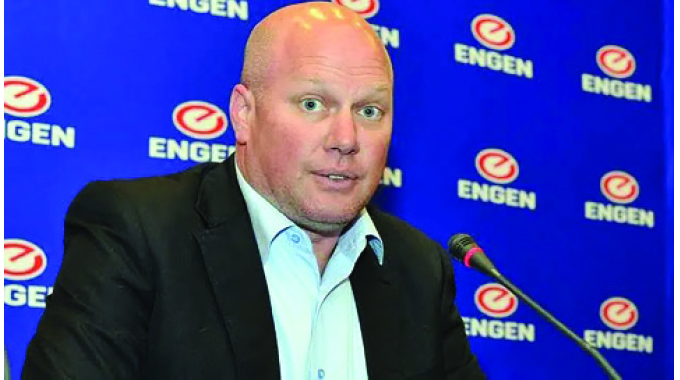
Ricky Zililo, Senior Sports Reporter
SUPERSPORT United FC chief executive officer Stan Matthews has challenged Zimbabwe Premier Soccer League clubs to reconsider investment in junior development which he says is a low-hanging fruit in terms of revenue generation.
Matthews, whose giant broadcaster has its presence in nine African countries – Nigeria, Zambia, Angola, Ethiopia, Ghana, Kenya, Uganda, Zimbabwe and South Africa – was the key speaker at a one-day Indaba themed “It’s time to make Zimfootball exciting again”, that was held in Harare last week.
The workshop was organised by the country’s leading media house, Zimpapers, who took an active initiative to make the country’s football exciting again by holding an Indaba
meant to find ways of bringing fans back into the stadia.
Through their ZTNPrime, the Premier Soccer League’s official broadcasting partner, Zimpapers partnered top sports broadcaster Supersport to capacitate local clubs.
Matthews, a seasoned administrator with over two decades as head of secretariat for South Africa’s former league champions Supersport United, urged local clubs to move away from directing funds to junior football as an afterthought.
“It’s time to start thinking of players as assets and not just expenses. Nowadays with Fifa training and development compensation system it means there’s easy cash if you produce players and once they sign a professional contract you start reaping rewards. You’re assured of money from any club for every year a professional player spent at your club as a junior. If that club doesn’t give you money for training and development, Fifa can ban that club.
“I was excited that Ngezi Platinum Stars is promoting its youth that means if the players move to Europe, they can fetch between US$30 000 and US$90 000 they stand to get in training development compensation fees per year. There’s real money in youngsters and junior development. At my club (Supersport United), after the front jersey sponsorship and television grants, training and development is number three revenue generator way ahead of supporters’ membership, prize money and ticket sales.
Youth development is life blood of football. If you think youths are at the bottom, think again to build a sustainable line of talent,” Matthews said.
He also challenged local clubs to invest in qualified coaches for their juniors.
“You can’t have better quality players when there’s no quality coaching. Some of the best coaches in Europe, the best technical coaches are in the youth system churning out young players for big bucks.
Manchester City churns out youths exporting two dozens every year to Championship sides, other teams, making so much millions of pounds off the academy. But in Africa we don’t do that, we punish a coach for failing in the PSL by demoting them to the development sides. You’re taking a guy who’s failed and making him to carry on?” quizzed Matthews.
The Supersport boss said nowadays coaches have data analysis software which they use to monitor players’ progress and encouraged clubs to invest in that. He encouraged clubs to cultivate ways of getting commercial value of their brands. Having strong social media presence is one way clubs can use to lure sponsors.
Matthews said to have a strong brand, the local league needs to have multiple sponsors like what they have in South Africa where the topflight league is sponsored by MTN, Nedbank, Carling Black Label and DSTV. The Zimbabwean Premiership is backed by Delta Beverages through their Castle Lager and Chibuku brands for the league and cup competitions with ZTN the broadcaster.
With trends changing in world football, Matthews also called for involvement of women in football to attract more fans and revenue.
“Women are becoming powerful in the game and doing an incredible job in a strong men dominated industry. If you’re not integrating women into your club leadership you’re losing half your market. As it is, more than 50 percent of women are in marketing and activation. So, think again,” he said.— @ZililoR



 Online Reporter