admin
admin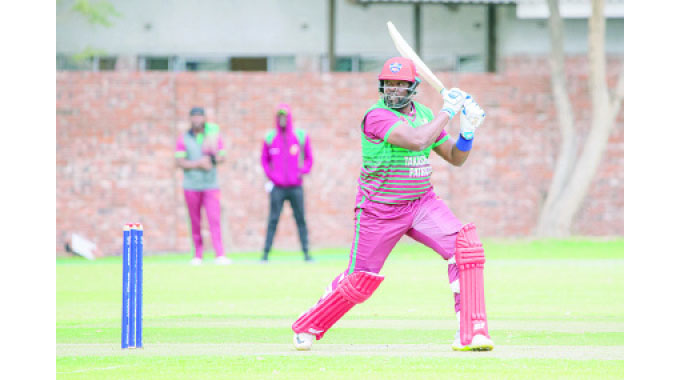
Robson Sharuko Senior Sports Editor
IN the beginning, in 1995, it was Henry Olonga and 10 other players. Yesterday it was Malcolm Waller and 10 other players.
The setting then, just like now, was the same – Harare Sports Club. And the opposition then, just like now, was also the same – Pakistan.
But something was different.
Watching the Zimbabwe cricket team take on Pakistan yesterday on the opening day of the first Test, with a team that had just one white player, it was difficult to ignore the reality that, indeed, life has come full circle on this game in this country.
Now only Waller stood where only 18 years ago, when Olonga created his piece of history as the first black cricketer to represent Zimbabwe in a Test match, there were 10 white players flying the national flag.
Where there was only Olonga in January ’95, when Zimbabwe thrashed Pakistan by an innings and 64 runs to win their first Test match, there were nine black players, including the stand-in skipper, on the opening day of the first Test against the Asians at Harare Sports Club yesterday.
Of course, regular captain Brendan Taylor would have been in the trenches yesterday had he not, quite understandably, chosen to spend more time with his family following the birth of his son on the eve of the match.
Sean Williams, the other player who would certainly have made the team, asked not to be considered until he gets paid his dues by Zimbabwe Cricket.
When play got underway yesterday there were nine black players in the host team and my colleague Collin Matiza said it looked more like the West Indies cricket side than the traditional Zimbabwe cricket teams that we have come to know.
The language on the field, picked nicely by the SuperSport microphones, was also distinctly local — “huya pa mid-on,” someone in the field shouted, “huya ne bhutsu dzokumhanyisa” came the other message, “zvaramba sha”, came the message from the frustrated bowler and “baba, imbopawo Chigumbura” said another fielder as they explored their bowling options.
There was the occasional encouragement to the bowler, especially when Tendai Chatara was beating the bat, with the occasional drop of the slang language used on Harare’s streets” ‘uri ku heater”, and when a wicket went down, you heard the battle cry “walila!”
Chatara took the new ball, after Zimbabwe had won the toss and elected to field, and opened with a maiden while Tinashe Panyangara bowled at the other end and conceded one run from his first six balls.
Chatara struck in the seventh over when Mohammad Hafeez edged one to Vusi Sibanda in the slips, Panyangara trapped Khurran Manzoor for 11 before bowling Younis Khan for 3 and, suddenly, Pakistan were reeling at 27/3.
Hamilton Masakadza rotated his bowlers well, keeping the pressure on Pakistan, and even when the visitors appeared to stamp their authority with a 93-run partnership for the fourth wicket between captain Misbah-ul-Haq and Azhar Ali, the hosts didn’t panic.
They reaped their rewards for their patience when the Pakistan skipper was lured down the track by Proper Utseya and Misbah-ul-Haq didn’t get all of the ball although his power should have provided an escape route, where height couldn’t, but Sibanda, impressive all day in the field, produced an outstanding catch at short midwicket.
In the 60th over, Chatara tested Adnan Akmal, working the batsman well, first with a short and wide delivery that moved away, then following up with a superb good length ball that beat him as he tried to push forward and then followed up with back of a length delivery that the batsman chopped onto his stumps.
“Walila,” came the shouts again from the field and if Pakistan had been thinking they were not in for a contest, on this opening day, then Chatara had just provided them with the clue that it wasn’t going to be an easy stroll. When Ali perished for a good 78, caught by Sibanda after edging Masakadza into the slips, Pakistan found themselves in serious trouble at 182/7 and, just four balls later, they could, and should, have been starring down the barrel.
Saeed Ajmal tried to sweep Utseya, missed and was struck on the pads by a ball that pitched in line of middle, there was a loud appeal for lbw, which should have been given, but after taking his time, the umpire gave the batsman the benefit of doubt in a defining call.
That Ajmal walked off the field, unbeaten on 49 at stumps having taken a team that appeared unlikely to get 200 closer to 250, only rubbed salt into the gushing emotional wounds of the Zimbabweans on a day when they had held the edge.
Eighteen years ago, when Olonga became the first black cricketer to play for Zimbabwe in a Test match, ironically against Pakistan at Harare Sports Club, the hosts – just as was the case yesterday – won the toss although where they chose to bat in 1995, the decided to field yesterday.
Day one, in 1995 and as was the case yesterday, belonged to Zimbabwe with the hosts on top back then after Grant Flower’s unbeaten 88 and Andy Flower’s 142 not out, pushed them to 289/3.
Yesterday, two brothers played big roles again for Zimbabwe with Hamilton Masakadza impressing with his captaincy and his brother Shingi taking 2-40 from 22 overs that included eight maidens as Pakistan limped to 249/9. The opposition might have remained the same, Pakistan, but the dominant complexion of those fighting in the hosts’ corner has significantly darkened.
And, if this is a reflection of the investment that Zimbabwe Cricket have made, to transform what used to be an elite game into a mass sport, then it’s been worth the bruises.
In 1995, just one black cricketer was considered good enough to make this country’s Test team and Olonga took 1-27 off 10 overs in Pakistan’s first innings and was unused in the attack in the second innings.
Chatara was just four years old then.
Yesterday, just 18 years down the line, nine black cricketers were considered good enough to play in the country’s Test team and four of them — Panyangara (three), Chatara (two), Masakadza (two) and Utseya (two) – took nine wickets on day one.


 Online Reporter