

 Online Reporter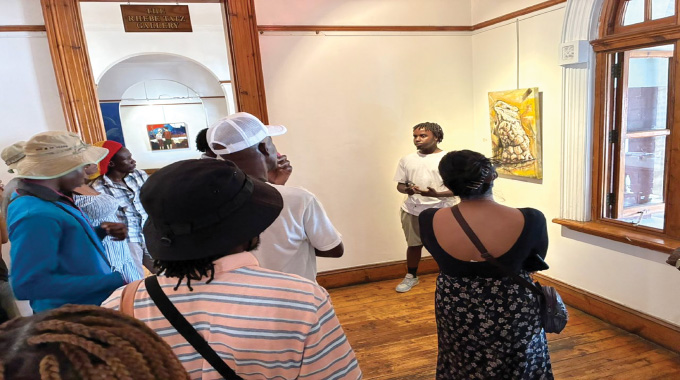
Mbulelo Mpofu, [email protected]
The National Gallery of Zimbabwe in Bulawayo recently turned into a space for bold conversations and connection with the opening of the thought-provoking exhibition, Sparks/Manyenye/Inhlansi.
Curated by the gallery’s resident artists, the intimate showcase confronted social and cultural taboos, using art to question norms, spark debate and bring people together.
The exhibition featured 11 resident artists — Abigail Nyasha Hunda, Bhekisipho Mafohla, Crossland Mbonisi Mehlo, Dumisani Ndlovu, Keith Ryan Chikoza, Mthokozisi Zwelithini Ndlovu, Nothemba Hilda Dube, Picasso Leon Siziba, Ryan Ross Gondo, Talent Kapadza and Yolanda Ngwenya — working across painting, mixed media, fashion, photography, handicraft and functional art.
Despite the diversity of styles, the works were united by a common theme: small “sparks” of experience, culture and personal history that ignite creativity and purpose.
Among the stand-out pieces was Mthokozisi Zwelithini Ndlovu’s installation titled, Threshold to Light, which challenged cultural restrictions and perceptions.
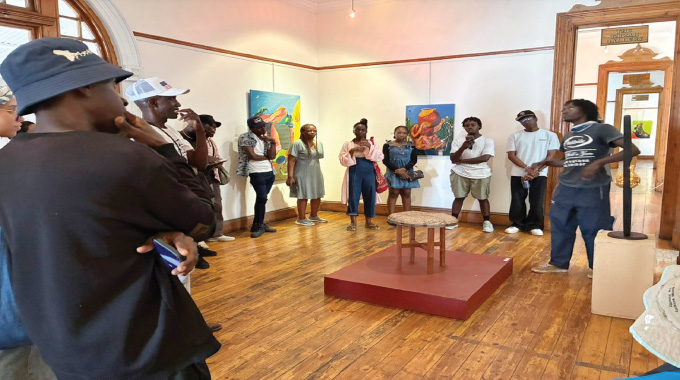
The work invited viewers to sit on a stool crafted from a traditional food basket, an act considered taboo, symbolising the breaking of boundaries to gain a new perspective and understanding. The installation also featured a glowing calabash, representing rebirth and illumination, encouraging audiences to rethink tradition while embracing growth.
Hunda also drew attention with her mixed-media piece titled Pole Dancing that explored stereotypes and societal judgments around women’s bodies and forms of expression.
The piece urged viewers to question their assumptions and engage with uncomfortable conversations.
Other works, including Yolanda Ngwenya’s use of sustainable materials and Bhekisipho Mafohla’s culturally rich Baobab piece, highlighted themes of identity, community and transformation.
The small-scale nature of the exhibition allowed visitors to interact directly with the artists, turning the gallery into a lively forum for discussion rather than a passive viewing space. Attendees engaged with creators about the stories and meanings behind their work, deepening the impact of the exhibition.
Through Sparks/Manyenye/Inhlansi, the gallery demonstrated how art can move beyond aesthetics to become a tool for reflection, dialogue and social change. By tackling sensitive topics and encouraging open conversation, the exhibition proved that art can indeed be a spark, an inhlansi, capable of building understanding and strengthening bonds within communities. —@MbuleloMpofu



 Bongani Moyo