Maria Chiguvari
Zimpapers Arts and Entertainment Hub
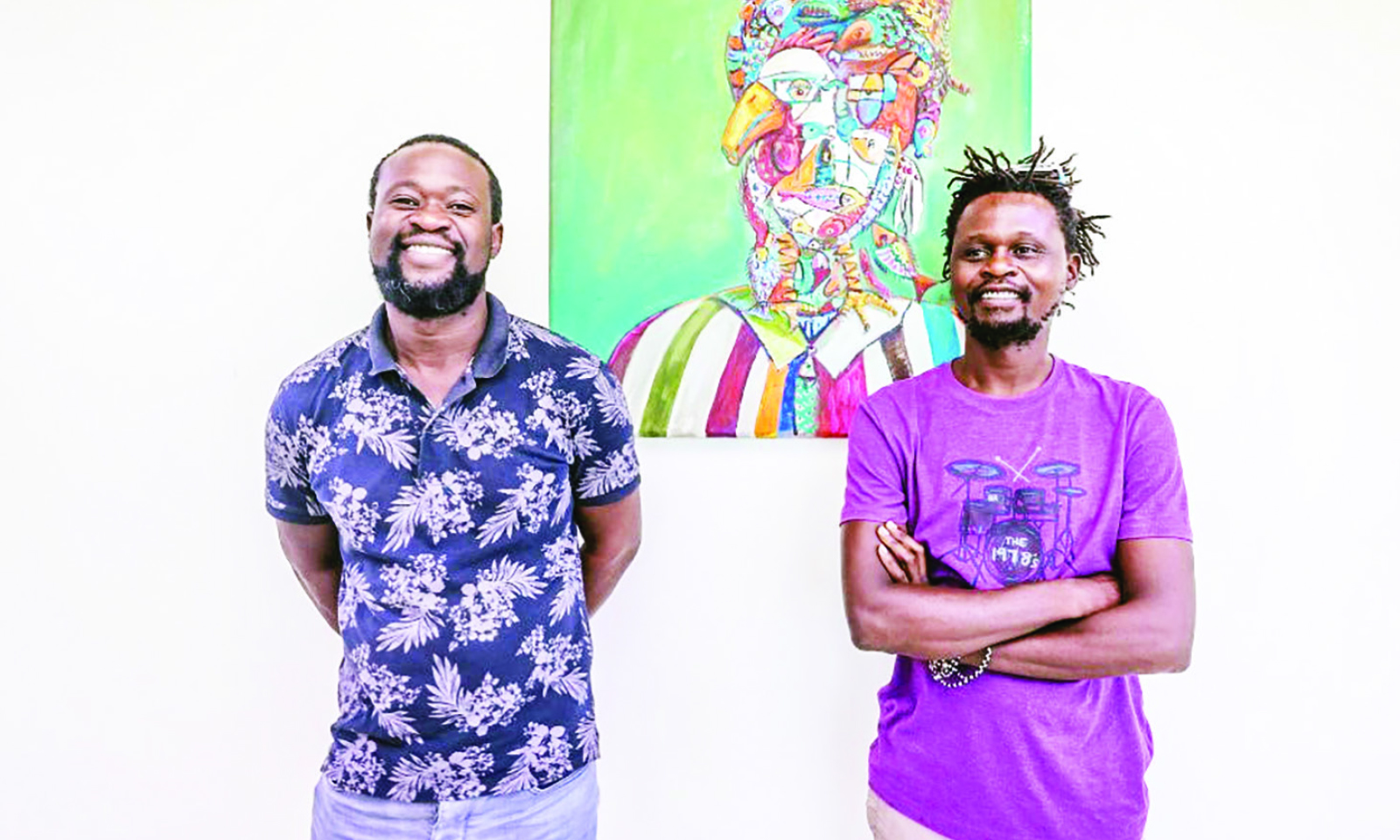
GRASSROOTS artists from Zimbabwe’s rural communities are set to gain a continental platform at this year’s Cheuka Harare Art Fair, with Domboshava-based Artgalzim Centre using the event to showcase emerging talent and demonstrate the growing importance of community-driven art initiatives.
The founder of Artgalzim Centre in Domboshava believes galleries have a bigger role to play in communities, particularly in rural areas where talented artists often struggle to access exposure and opportunities.
Zenda will showcase works by some of the artists he mentors at the second edition of the Cheuka Harare Art Fair (CHAF), which runs from today to Friday at East End Hall, Harare Showgrounds.
The four-day event will bring together artist-run initiatives, independent art collectives and residency programmes from across Africa, placing the spotlight on creative communities operating outside traditional gallery spaces.
Founded in 2025 by visual artists Wallen Mapondera and Admire Kamudzengerere, CHAF seeks to promote creativity, support economic growth in the arts sector and create opportunities for different forms of artistic expression.
Zenda said his journey into establishing Artgalzim Centre began in Gweru, where he developed the experience and passion that inspired him to create a platform for nurturing artists.
“I started with the art centre in Gweru. That is where I got the experience and the passion grew for me to think of starting something that can save the nation of Zimbabwe, not just Zimbabwe, but even Africa at large,” he said.
He described participating in Cheuka Art Fair as an honour, saying the opportunity was particularly important for the artists who were still finding their feet in the industry.
Artgalzim Centre focuses on mentoring grassroots artists, especially those from rural communities who have talent but lack exposure and formal opportunities to develop their skills.
“Most of them are school leavers, some who are employed looking for employment, but they have talent. Those are the artists I am mostly focusing on mentoring them. I teach them the basics,” he said.
Zenda said some of the artists who had gone through the centre’s mentorship programme would also exhibit their work at the fair, making the event a celebration of their progress.
He said the centre was also grateful for the support it had received from the Ministry of Sport, Arts and Recreation, the National Arts Council of Zimbabwe and the National Gallery of Zimbabwe.
Beyond mentoring artists, Zenda believes communities and local authorities should invest in galleries as spaces for preserving cultural identity and passing knowledge to future generations.
He urged provinces, district councils and rural district councils to allocate land for galleries, arguing that such spaces could help preserve Zimbabwe’s artistic heritage while inspiring young people.
“A gallery is not just a museum, it is not just an art hub, but it is a place where heritage can be preserved and the next generation inspired,” he said.
Drawing parallels with Zimbabwe’s rock paintings, which continue to attract tourists from around the world, Zenda said visual art had long played a role in preserving the country’s history.
“We are doing this for the next generation. We are keeping our story, which will become our history. That is why we have Artgalzim Centre,” he said.
Meanwhile, Harare will also host the 58th CIMAM Annual Conference from November 20 to 22 at the National Gallery of Zimbabwe, marking the first time the international museum gathering will be held on African soil.
The conference is expected to further place Zimbabwe at the centre of international conversations on museums and contemporary art.