

 Online Reporter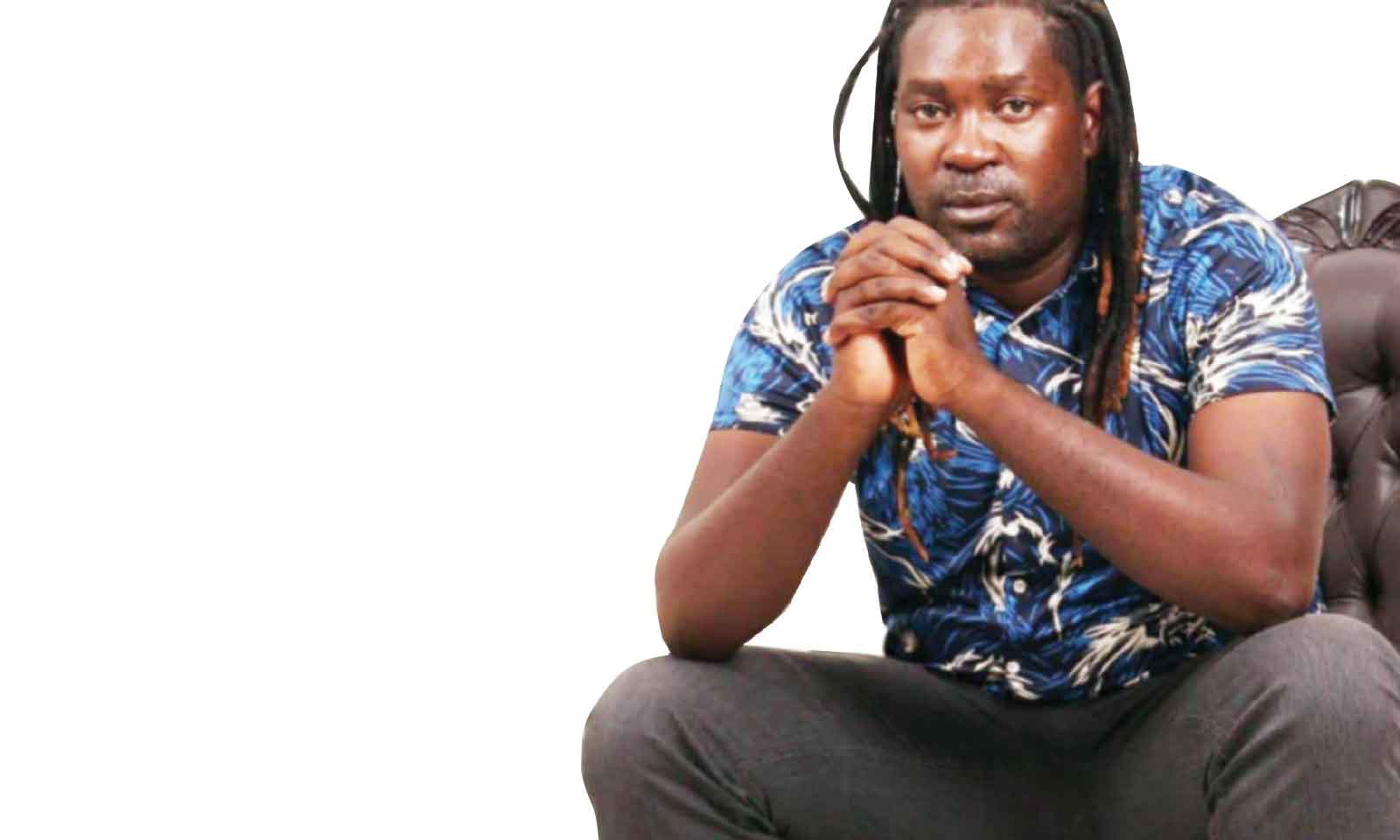
Tafadzwa Zimoyo
Zimpapers Entertainment Editor
ZIMBABWE’S music industry is in meltdown, and at the centre of the storm is ZIMURA — an organisation meant to protect artistes’ rights but now accused by its own members of eating itself alive.
What has shocked musicians most is not just delayed royalties or unclear communication, but the sudden emergence of two rival camps, each claiming authority, each issuing statements, and each behaving as if the other does not exist.
For artistes watching from outside, the question has become painfully simple: Who exactly is in charge?
Social media has turned into a courtroom.
Time-lines are flooded with angry posts, disbelief and bitter humour as artistes trade screen-shots, voice notes and personal experiences.
Some musicians openly ask why leadership battles are being fought publicly while creatives continue to receive what one veteran described as “insults disguised as royalties”.
During a tense gathering at the Zimbabwe College of Music on Monday, emotions spilled over.
Artistes did not come with speeches, they came with frustration.
Traditional music icon Chief Hwenje reportedly stunned the room when he said he was getting “peanuts” despite years of airplay and cultural contribution.
“I was given $80 by ZIMURA, a man of such stature. We are your bosses, the money you are giving us is not enough,” he said.
“Engage us before writing letters or going on social media. My music is being played well but $80 is not enough.”
Another artiste who commented on condition of anonymity said, “That money cannot even buy strings. Yet our songs are everywhere.”
The meeting itself later deepened the confusion.
While one group insisted it was a legitimate artiste’ caucus, another camp quickly distanced itself, declaring the gathering unauthorised.
That contradiction alone ignited further outrage online.
“How can artistes gathering to ask questions be illegal?” one post read.
“Since when did musicians need permission to talk about their money?” read another.
At the heart of the uproar is the perception that power is being shuffled behind closed doors, with removals, replacements and announcements happening faster than explanations. Artistes say they wake up to new leadership claims without even being consulted.
“We elected people,” one musician wrote. “Now we are told they’re gone. Who removed them? Under what mandate?”
Others questioned why the same organisation can collect money efficiently but struggle to explain governance clearly.
Adding fuel to the fire are posts by prominent artistes hinting at exhaustion and betrayal. One female vocalist posted cryptically about creatives being treated as “background noise in their own industry”, a post widely interpreted as frustration with royalty structures and respect.
The social mood is unmistakable: trust is broken.
But amid the shouting, artistes are also proposing solutions — loudly and repeatedly.
The most common demand online is for an Extraordinary General Meeting (EGM) where all members can speak, vote and see processes unfold openly.
“Stop issuing statements. Call an EGM,” one post demanded.
“Let the artistes decide, not factions,” said another.
Others are calling for independent audits, insisting transparency is the only way to stop speculation and conspiracy theories. Some even argue that until clarity is restored, artistes should reconsider their participation altogether.
Yet not everyone wants ZIMURA burnt down. A quieter group is warning against emotional decisions, arguing that the organisation, flawed as it may be, remains central to protecting copyrights.
“What we want is reform, not collapse,” one producer posted. “But reform starts with honesty.”
Right now, ZIMURA is not just fighting an internal battle — it is fighting for legitimacy in the court of public opinion. Artistes are watching. Fans are watching. And every unclear move feeds the narrative that something is deeply wrong.
Until the two camps become one voice — or members are allowed to choose who speaks for them — the noise will only grow louder.



