Sundaymail Editor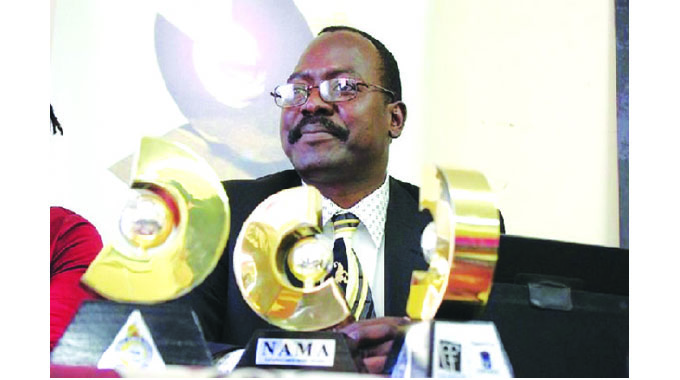
Takudzwa Chihambakwe
The coronavirus pandemic has disrupted lives and livelihoods, and local artistes believe they are the worst affected.
Bars, nightclubs and auditoriums remain closed since the first Covid-19-induced lockdown in March last year.
Most artistes, therefore, have been inactive since then.
Special gatherings for church services, among others, are limited to 50, while funerals are not allowed to have more than 30 people.
While virtual shows have been introduced to ease the burden for creatives, only a few have benefited.
In any case, not every artiste is able to take part, as online show organisers often prefer dealing with established artistes that attract significant traffic to their platforms.
The Government continues to progressively ease the lockdown.
Last week, Cabinet gave the green light for all sporting activities to resume subject to strict adherence to standard operating procedures.
There was, however, no such relief for the arts sector.
Creatives now feel hard done by industry regulator, the National Arts Council of Zimbabwe (NACZ).
” . . . the NACZ is failing to represent us and is clearly doing nothing to help us out of this predicament,” fumed one artiste during a stakeholders’ meeting to map the way forward for the sector last week.
Some members of the cultural and creative industries (CCI industries) even question the logic behind NACZ decision to host this year’s virtual edition of the National Arts Merit Awards (Nama) on March 27.
“We have artistes that are struggling to make ends meet due to the lockdown. It would have been wise for the council (NACZ) to postpone the event. The money they are using to host the event could go a long way in assisting the struggling lot with food aid,” argued one promoter.
“Voices from the sector acknowledge that while Covid-19 has had sector-wide impact, the arts and culture sector faces unique challenges that require tailor-made solutions,” reads a document titled “The Arts Sector Through Covid-19 and Beyond” which was launched on Monday by arts practitioners.
NACZ director Nicholas Moyo told The Sunday Mail Society that it was not only the local arts industry reeling from Covid-19.
“I think the criticism is fair but based on a lack of knowledge on how the NACZ and the CCI industries operate. The sector relies heavily on gatherings, which have been identified as the major driver of the rapid spread of the Covid-19 disease,” he said.
“It is the Government which has pronounced lockdown measures restricting any events that require the congregation of people as these will naturally be contrary to the whole tenets of social distancing. This has been done according to World Health Organisation protocols for lockdowns, so it is not just about Zimbabwe.”
According to Moyo, the sector often subsists on close contact such as handshaking, hugging, sharing of drinks and food, at times in enclosed spaces which make it difficult to observe Covid-19 prevention protocols.
” . . . NACZ engaged the Government in having those sectors of the arts that do not rely on large gatherings to open up and this was achieved towards the end of last year where theatres, arts schools, drive-in cinemas, arts centres and galleries were allowed to open under strict conditions . . . and regular spot checks by the NACZ,” he said.
But the tightened lockdown introduced in January after rising infections and fatalities reversed all the progress that had been made.
“NACZ is aware of the hardships that artistes, especially in the music sector, have suffered from the lockdown and adherence to Covid-19 protocols.
“However, it will continue to be guided in its regulation of the sector by pronouncements by the Government, which aim to safeguard the safety of the public. We are currently engaged in mechanisms for the opening of musical events within appropriate standard operating procedures,” added Moyo.
It is believed that declining infection rates and the successful implementation of the national vaccination programme will help speed up resumption of activities in the arts sector.
Artistes are lobbying the Government to be prioritised in the ongoing Covid-19 immunisation drive.
” . . . while this brief has called for policy interventions, the arts and culture practitioners themselves are prepared and committed to contribute to efforts towards sustainable solutions to the challenges confronting the sector,” further reads “The Arts Sector Through Covid-19 and Beyond” document.


 Online Reporter