Chronicle Editor
Sipepisiwe Moyo, [email protected]
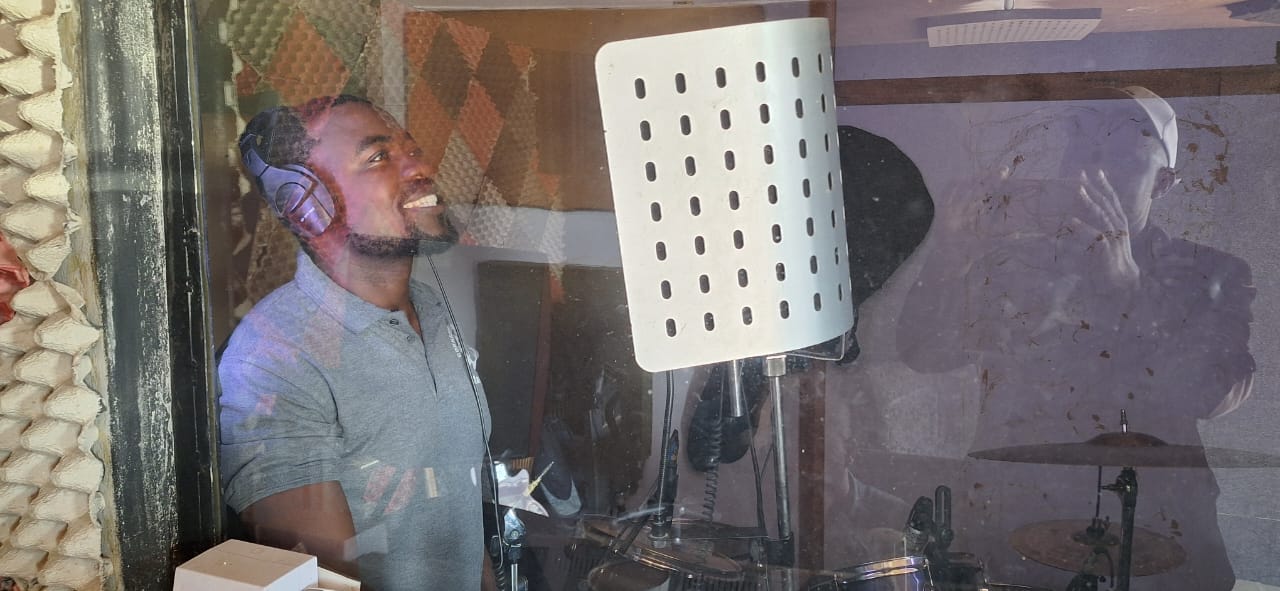
Artistes and community members have gathered at the National Gallery of Zimbabwe in Bulawayo for the ongoing Artist Development and Social Responsibility workshop, which kicked off on Monday and will run until Thursday.
Organised by hip-hop musicians Asaph and Leemzy Beatz, the workshop is being held under the theme, “Hip Hop versus the Community.”
“As part of our visit to the United States, we were tasked with developing projects for our community. This workshop was born from that initiative, and we established it under our organisation, the Kwela Initiative,” said Asaph.
“On the first day of the workshop, artistes met with the community to discuss the divide between Hip-Hop and the community, aiming to uncover the reasons behind the lack of support for Bulawayo artistes.”
He added, “We want to hear both sides – the community and the artistes – and hope to plot a way forward.”
The workshop has sparked an engaging conversation between artistes and community members. Asaph commented on the turnout, saying, “The number of community members present proves that this is a conversation many are reluctant to have, but we appreciate those who showed up.”
One of the major issues discussed was the societal perception of Hip-Hop. Many participants expressed that Hip-Hop is often seen as a career choice for non-Christians. Hip-Hop, according to most artistes, is not just music but a culture and a powerful tool for storytelling and self-expression.
Hip-Hop artiste Swazy shared her personal experiences, saying, “Society doesn’t understand Hip-Hop. For example, I’m a Christian rapper, and whenever I express my thoughts about the God I serve, people react with skepticism. They question if Hip-Hop and Christianity can mix. I believe these attitudes contribute to the challenges Hip-Hop faces in Bulawayo.”
In addition to the stigma surrounding the genre, such as associations with drugs and profanity, some artistes highlighted the lack of industry representation and financial constraints as key obstacles to progress.
Veteran playwright Raisedon Baya, who was also present, offered words of encouragement and guidance: “What you’re doing right now is the right path—discussing the problems and working toward solutions. One of the biggest issues in our industry is assumption. We dislike each other without ever meeting. We need to stand together and take action. When we run events and an artiste is scheduled to perform, they often don’t promote the show on their social media. Then they complain about low attendance. Who’s responsible for bringing in the audience?”
Baya stressed the impact of low attendance on artistes’ future opportunities, explaining, “If I book an artiste and only two people show up, I might not book them again. This leads to the assumption that Hip-Hop lacks an audience, and the genre is then sidelined.”
Artistes were further encouraged to embrace digital media and the internet as essential tools to remain relevant, promote their music, and build a larger audience base. As the workshop continues, the focus remains on building a more sustainable and supportive music scene for artistes in Bulawayo.


 Online Reporter