Online Reporter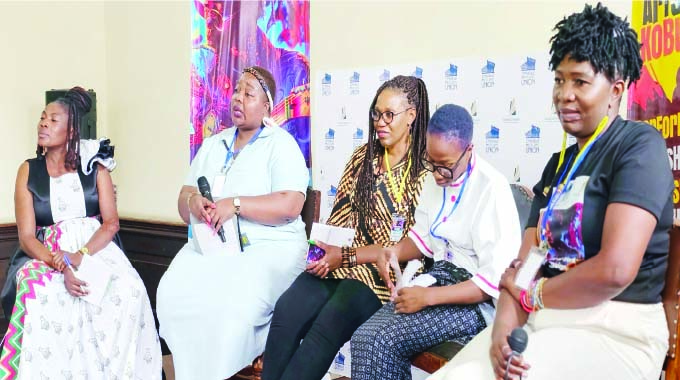
Mbulelo Mpofu, Zimpapers Arts and Entertainment Hub
A strong call for the introduction of a comprehensive gender policy in Zimbabwe’s creative sector echoed through the halls of the Bulawayo Club on Thursday, as artistes, industry stakeholders and activists united to demand systemic reform at the Gender at Work Conference.
Organised by the Zimbabwe Musicians union (ZiMU) as part of this year’s Intwasa Arts Festival KoBulawayo, the conference, held under the theme “E=Quality”, focused on entrenched inequalities and challenges facing women and marginalised groups in the arts.
These include sexual exploitation, unequal pay and opportunities, barriers for artists with disabilities and harmful gender stereotypes.
Opening the discussions, ZiMU presidenturged participants to speak openly about their experiences and challenges, describing the event as a platform for collective action.
The urgent need for regulatory reform was at the centre of the discussions. ZiMU presented an advocacy brief titled From Fragmentation to Fairness: Why the Arts Sector Needs a Gender Policy Now, which underscored the dangers of operating without clear guidelines.
“The sector’s lack of formal regulation and standardised policies has created a vacuum where abuse and exploitation thrive unchecked. Without codes of conduct, grievance mechanisms, or institutional accountability, survivors are left vulnerable while perpetrators often go unpunished,” the report warned.
Throughout the day, personal stories and lived experiences illustrated how deeply gender bias is rooted in the creative sector. In a panel titled Knowledge, Curriculum and Cultural Shift, moderated by Dr Richard Muranda of Midlands State University, film producer and director Rumbi Katedza recalled facing gendered labour divisions early in her career.
“I had to stay in the office while the boys were sent straight to the set. That’s the whole idea of gendered labour that I still see today. Young women in my classes automatically put themselves into service positions,” she said.
Katedza emphasised the importance of visible female role models in technical and leadership positions, saying their presence would “change the process” for the better.
Musician and University of Zimbabwe lecturer Tina Watyoka shared similar sentiments, describing unconscious biases that sideline women.
“I’ve been in a situation where I found myself right at the back of the room and the men at the front. It happens naturally. We need to cultivate in our females, the spirit of being in the front, just like men say, ‘I can do it’.”
A dedicated “Women in the Arts” panel, featuring singer Rute Mbangwa, musician Noluntu J, veteran performer Florence Nyamazana and actress Angeline Domingo, laid bare the systemic nature of discrimination in music and the performing arts.
Speakers agreed that women are often viewed as less capable, leading to discrimination in performance bookings, recording deals and leadership roles. Key challenges identified included persistent pay gaps between male and female artistes, unequal access to prime performance slots and visibility and severe underrepresentation in decision-making and leadership positions.
The consensus across the panels was clear: Zimbabwe’s arts sector urgently needs a gender policy to set standards, enforce accountability and ensure equality. Attendees also pushed for mentorship initiatives, inclusive programming, and deliberate efforts to promote women and marginalised voices.
The conference ended on a celebratory note with awards recognising individuals who have contributed significantly to the arts, including music producer Clive Mono Mukundu, singer Rute Mbangwa and playwright, Raisedon Baya.
However, the final message was unmistakable: recognition is not enough. Lasting change will only come through structural reforms that level the playing field and safeguard the rights of all creatives.
The demand for a gender policy now moves beyond the conference venue to the boardrooms, studios and policy tables shaping Zimbabwe’s cultural future.