Sifelani Tsiko, Fact Check Editor
ZIMBABWE joined the rest of the world on June 5 in marking World Environment Day at a time when climate concerns are growing. A new El Niño is forming over the Pacific Ocean, raising fears of below-normal rainfall during the 2026–2027 farming season.
This year’s commemorations were held under the global theme: “Inspired by Nature. For Climate. For Our Future.”
The message is clear — protecting the environment is no longer a choice, but a shared responsibility.
The theme calls on governments, businesses and ordinary people to work together and take practical steps to address climate change.
For Zimbabwe, this is particularly urgent as weather patterns become more unpredictable and extreme.
Climate risks and slow responses
With the threat of El Niño looming, Zimbabwe needs to keep strengthening its ability to cope with climate shocks. These shocks — such as droughts, floods and heatwaves — are becoming more frequent and more severe.
For years, countries around the world have heard warnings about climate change through science, global agreements and policy targets.
However, progress has often been slow. In Zimbabwe and across Africa, action has at times been delayed or distracted, partly due to limited funding and global conflicts.
This leaves many unanswered questions about how prepared the country is for the next drought cycle and how it will respond when it comes.
Zimbabwe focuses on plastic pollution
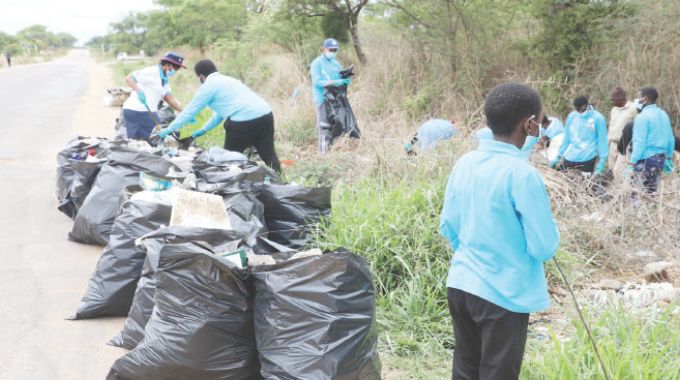
To mark World Environment Day, Zimbabwe adapted the global theme to suit its own challenges. The country chose to focus on plastic pollution under the national theme:
“A Plastic Free Environment is Possible — Play Your Part.”
The Ministry of Environment, Climate and Wildlife said this focus links closely with global climate action efforts led by the United Nations Environment Programme (UNEP).
Plastic pollution is not just a waste problem — it is also a climate issue. Producing and transporting plastic depends on fossil fuels, and throughout its lifecycle, plastic releases large amounts of greenhouse gases. When plastic waste clogs rivers, covers land and harms ecosystems, it weakens nature’s ability to absorb carbon.
Zimbabwe believes that reducing plastic use through recycling, better policies and eco-friendly alternatives can help cut its carbon footprint.
The country has also made a commitment under its Third Generation Nationally Determined Contributions to reduce greenhouse gas emissions per person by 40 percent.
A call for individual action
The call to “Play Your Part” is meant to bring climate action closer to everyday life. It reminds citizens that protecting the environment starts at home and in communities.
Acting Minister of Environment, Climate and Wildlife Tino Machakaire emphasised this during the main event held at Mukuvisi Woodlands in Harare.
“For Zimbabwe, climate action is about protecting our people’s health and livelihoods, safeguarding our ecosystems, and building a resilient and prosperous nation,” said Acting Minister of Environment, Climate and Wildlife Tino Machakaire.
“I am happy to say that, as Zimbabwe, we have contextualised this great global environment day under the theme “A Plastic Free Environment is Possible – Play Your Part”.”
“This theme is both a call to action. It affirms that through collective effort, innovation, strengthened policy enforcement and use of sustainable alternatives, we can significantly reduce, and ultimately eliminate, plastic pollution in our country.”
Why plastic pollution matters
Plastic waste is one of the most visible signs of what experts call the “triple planetary crisis” — climate change, biodiversity loss and pollution.
It blocks drainage systems, pollutes rivers and wetlands, harms animals, and when burnt, it contributes to air pollution and greenhouse gas emissions.
“By targeting plastics, we tackle both pollution and climate risks in a practical and visible way,” Minister Machakaire said.
Link to national development
Efforts to deal with plastic pollution tie in with Zimbabwe’s National Development Strategy 2 (NDS2). This plan places environmental protection, climate resilience and sustainable use of natural resources at the centre of the country’s push towards becoming an upper middle-income economy by 2030.
“A plastic free environment speaks directly to this vision as clean cities and rural service centres attract investment and tourism; healthy rivers and wetlands support agriculture and water security; and a thriving recycling sector creates green jobs and supports the circular economy,” he said.
“When we reduce, reuse and recycle plastics, we are not only cleaning our surroundings, but we are also advancing NDS2’s aspiration for a modern, prosperous and environmentally sustainable Zimbabwe.”
Zimbabwe has already taken some steps, including tightening regulations on harmful plastics, improving waste management and promoting recycling.
These efforts are supported by both government enforcement and voluntary action from businesses and civil society.
However, the minister warned that laws alone are not enough.
“However, laws and policies alone cannot keep Zimbabwe clean. Their success depends on how seriously we implement them in our factories, shops, offices, markets, homes and, generally, in our daily lives,” said Minister Machakaire.
Growing climate threats
At the same time, the country faces growing climate risks. The expected El Niño raises concerns about drought, while memories of destructive cyclones and floods are still fresh.
Many communities have already suffered loss of lives, homes and livelihoods due to extreme weather.
Rising temperatures, poor soils, heatwaves and wildfires are all signs of increasing pressure on the environment.
Recent flooding in several provinces has also caused serious damage to infrastructure and put extra strain on government resources.
Need for stronger preparedness
Experts warn that Zimbabwe must move beyond simply responding after disasters happen. Instead, the focus should be on preparation, prevention and long-term resilience, especially at community level
where the impact is felt most.
There are fears that this year’s El Niño could become particularly strong, with some already describing it as a possible “super-El Niño”.
This means government, local authorities and development partners must invest more in climate planning and risk assessments. Early warning systems, disaster preparedness and better funding for councils are all essential.
Nature-based solutions — such as restoring wetlands, protecting ecosystems, and greening urban areas — are also key.
At the same time, improving climate-smart agriculture will help farmers cope with changing weather patterns.
All these measures are vital to protect lives, livelihoods and infrastructure as Zimbabwe faces an uncertain climate future.