Sundaymail Editor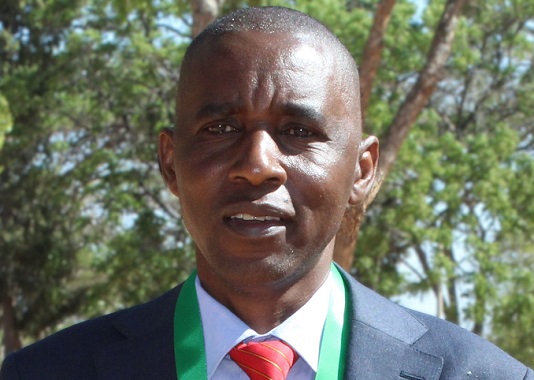
Rainos Mukanya
WITH the introduction of the heritage-based curriculum (HBC) for 2024-2030, Zimbabwe’s education system is embarking on a transformative journey that integrates the nation’s cultural heritage with the competencies required for national development.
Central to this curriculum is a revised and comprehensive assessment system designed to evaluate the holistic development of learners through diverse methods.
The assessment structure emphasises continuous learning, skills acquisition and a blend of formative and summative assessments.
Competence-based approach to assessment
The HBC aligns with a competence-based education model.
This approach prioritises what learners can do with the knowledge they acquire, rather than what they know in theory.
Competence-based assessments encourage the practical application of skills, values and attitudes necessary for life beyond the classroom.
Learners are evaluated on their ability to demonstrate relevant competencies, including critical thinking, problem-solving, creativity and innovation.
The key principles guiding the assessment system include validity, reliability, fairness, flexibility and authenticity.
These principles ensure that assessments accurately reflect learners’ competencies and are fair and manageable across different learning environments.
Continuous assessment: A core pillar
One of the defining features of the HBC’s assessment framework is the emphasis on continuous assessment. This is also referred to as school-based continuous assessment.
The approach allows teachers to regularly assess learners using various methods such as projects, assignments, practical exercises and portfolios, which ensure that learning is measured progressively over time.
Continuous assessment under the HBC replaces the continuous assessment learning activities (CALAs), as informed by extensive consultations across the country. School-based projects now take precedence, allowing learners to engage in more practical, real-world tasks that are directly linked to their everyday environments.
These projects give learners the opportunity to demonstrate skills and competencies in areas that are vital for their personal and professional development.
In addition, continuous assessment serves several important purposes within the curriculum.
First, it helps both teachers and learners monitor learning progress and identify areas that require improvement at an early stage.
It is particularly effective in fostering the development of practical skills that go beyond theoretical knowledge.
Furthermore, continuous assessment allows teachers to tailor learning activities to individual schoolchildren. This promotes personalised learning that recognises each learner’s unique strengths and challenges.
The system forms part of a broader learner-profiling mechanism, where each child’s progress is documented to provide a comprehensive profile that highlights both their strengths and areas in need of further development.
Summative assessments and national checkpoints
While continuous assessment is crucial for ongoing learner development, summative assessments also play an important role in the HBC.
Summative assessments consist of formal end-of-year examinations that evaluate children’s overall performance across various learning areas.
The balance between formative (ongoing) and summative (terminal) assessments ensures that learners are not only judged on their final exams, but also on their continuous engagement and mastery throughout the year.
To further strengthen the evaluation process, the HBC introduces national assessment checkpoints, which occur at key stages in a learner’s educational journey. These checkpoints, administered at stages such as ECD (early childhood development) B, Grade Two, Grade Five and Form Two, serve as milestones in gauging learners’ readiness for the next phase of education.
The feedback provided at these levels is crucial for learners and educators alike, ensuring that all schoolchildren are on track to meeting the expected competencies.
Emphasising holistic learning
In line with the curriculum’s holistic approach, assessments under the HBC are designed to evaluate not just academic knowledge, but also skills and
values aligned with Zimbabwe’s cultural heritage.
Through activities like community projects, performance-based assessments and learner exhibitions, children demonstrate their mastery of the core competencies emphasised in the HBC, including innovation, ethical leadership and an appreciation of national heritage.
The HBC’s assessment system marks a significant shift from traditional models, ensuring that learners are evaluated in a way that reflects real-world skills and competencies.
By combining continuous assessment with strategic national checkpoints and summative evaluations, Zimbabwe’s education system is moving towards producing well-rounded, skilled individuals who can contribute meaningfully to the country’s socio-economic transformation.
Rainos Mukanya is a communication and advocacy officer in the Ministry of Primary and Secondary Education.



 Online Reporter