admin
admin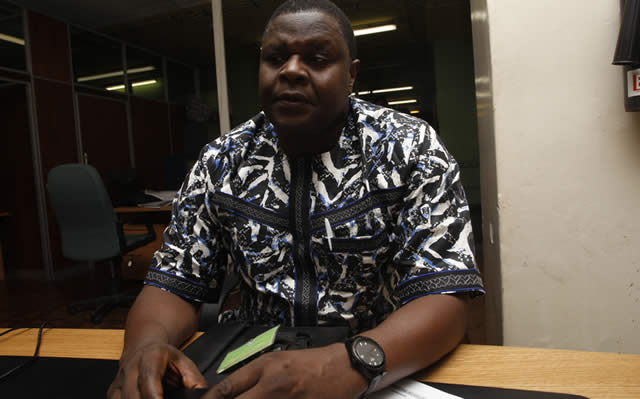
Ellina Mhlanga-Senior Sports Reporter
SEASONED administrator Robert Mutsauki says the country should be aiming to be competitive at the Olympic Games, and not just qualification.
Zimbabwean athletes have been struggling to qualify for the showcase.
“On average, athletes spend perhaps for to six years, preparing for the Games, inclusive of the qualification process,” he said.
“The preparation of the athlete requires appropriate training, and competition, sports science and sports medicine support, good nutrition, over a period of time.
“Qualification for the Olympics is not supposed to be a last-minute scramble.
“When athletes find themselves desperate to qualify it means they are no longer in control of the situation and even if they somehow manage to qualify they are unlikely to be competitive at the Games.
“The primary objective should be to send competitive athletes to represent the country at the Games and clearly athletes who are struggling to qualify cannot be described as competitive.
“There is always room for improvement and there are things we could do differently or better but, on the basis of what is currently in place, we should still be getting a number of athletes qualifying.”
Among the programmes availed by the Zimbabwe Olympic Committee, to assist athletes, are the Olympic Scholarships, funded by the Olympic Solidarity, an arm of the International Olympic Committee.
“Out of the six athletes benefiting from Olympic Scholarships, if only one has qualified, this can hardly be considered to be a good return on investment.
“The scholarships are in the form of financial support, which should give the beneficiaries access to appropriate coaching, competition, and support services as well as living expenses. The programme is also flexible in that an athlete could be attached to a sports training centre, with the appropriate expertise and amenities, if this is the preferred option.
“Some of the athletes on NCAA scholarships in the United States should also be attaining qualification as they have access to an appropriate training and competition environment within the collegiate system.
“Many athletes from other countries are qualifying through the same system. In the past a good number of Zimbabwean athletes have qualified through a combination of these opportunities,” said Mutsauki.
The former ZOC chief executive said the country may be found wanting in terms of facilities, equipment, coaching expertise and support service in a number of cases but it’s not all gloomy.
“We are able to develop our athletes up to a certain level and then we should create opportunities for them to move on to a better environment where they can access their development requirements.
“We must accept that, because of various limitations on our part, we are not necessarily going to produce the finished product and hence the need for collaboration with other systems and service provider,” said Mutsauki.
Former ZOC president, Admire Masenda, says a buy-in from all stakeholders, starting with parents, will go a long way in changing the country’s fortunes.
“I think let’s go back to the issue that for sport to blossom in this country, there has to be a change of the mind, the psyche of the nation,” he said.
“People go to games in Europe because they are sold to the issue that there is quality, they believe in sport, so culturally, according to their lifestyle, there is nothing wrong with taking your son, your daughter to a game at 8pm.
“One of the things, through my own experience, I realise that we can sit there and say government must put more resources, Ministry of Sport must do this and do that but, at the heart of it all, is paradigm shift in the mind and the thinking of our people.
“For as long as we don’t think, as individuals, that sport has a place and is an important aspect it will never change.”


 Online Reporter