Online Reporter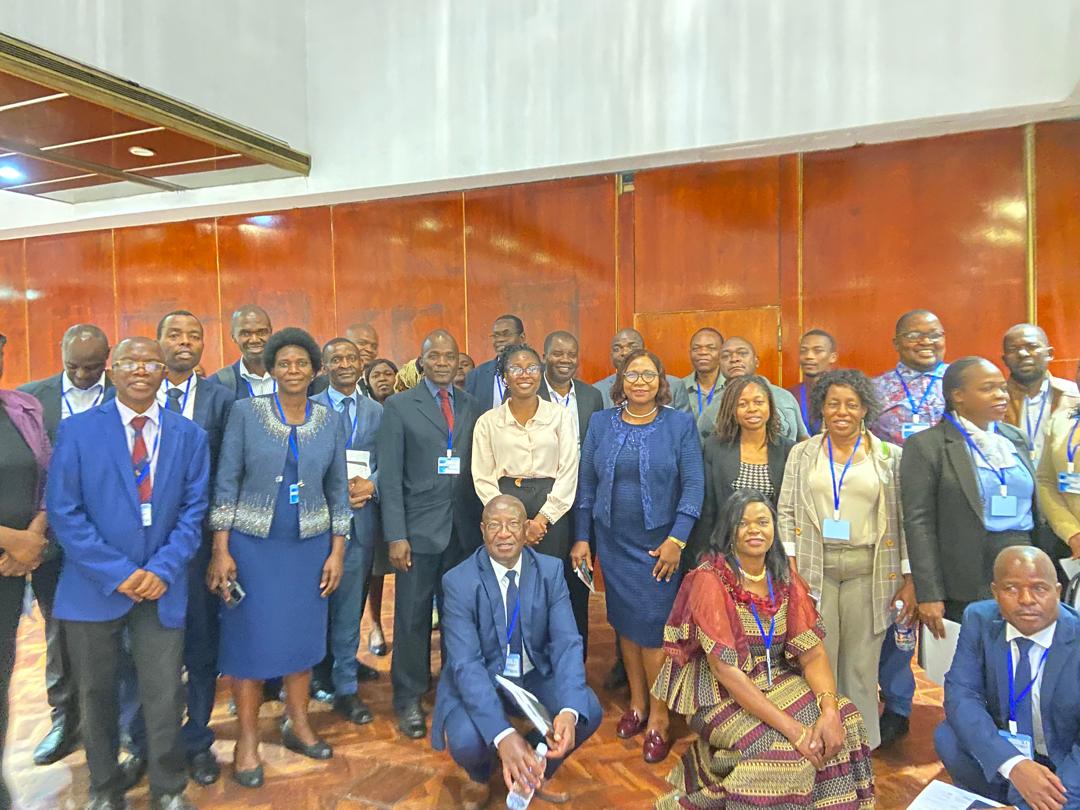
Obey Musiwa
Herald Reporter
Zimbabwe’s audit and finance committees have been urged to strengthen oversight and align institutional strategies with the National Development Strategy 2 (NDS2) and Vision 2030.
Speaking at the seminar convened by ICS Africa Group (Innotec Creative Solutions), Mopel Sotts Pvt Ltd and other partners on Thursday, Mopel managing director, who was also Zimbabwe Anti-Corruption Commissioner Thandiwe Mlobane, said that effective service delivery hinges on transparent financial management and robust internal controls.
She said governance is the critical lever for achieving Vision 2030 and committees must interrogate reports to ensure strategies align with NDS2.
“Governance plays a critical role in service delivery. Without it, strategies remain on paper. Audit and finance committees must interrogate reports and ensure strategies are aligned to NDS2 and Vision 2030,” she said.
She said that time is running short before 2030, and institutions must act decisively to embed governance reforms.
“We have limited time before 2030, so institutions must ensure their strategies are not only aligned but implemented,” she said.
“Effective governance is the only way to translate national development goals into tangible outcomes for citizens.”
The chief director of Legal Services in the Office of the President and Cabinet Ms Singita Popatlal, indicated that the Corporate Governance Unit, established under the 2018 Act, provides ministries with compliance support and maintains a database of prospective board members, while also introducing new systems to strengthen transparency.
“The Corporate Governance Act was promulgated in 2018 and its purpose is to give ministries advice and compliance support for the public entities which they manage,” she said.
“The presidential secretary has currently introduced a management information system funded by the African Development Bank to make it more objective in terms of the selection of candidates on ministry boards.”
She emphasised her lobbying for sustainability and Environmental, Social, and Governance (ESG) within the OPC.
She argued that coordinated frameworks across ministries and sectors are essential to access impact funding and drive inclusive development.
“Currently, I a m lobbying for a sustainability function, whether within the CGU in terms of ESG reporting and compliance or more broadly within the OPC itself because sustainability is cross-cutting.”
The seminar highlighted that governance reforms are not abstract policy exercises but practical mechanisms to ensure citizens’ access to clean water, housing, education, and healthcare.
In this regard, MGI Chartered Accountants Zimbabwe managing partner Mr Fanuel Pange emphasised that finance and audit committees are the bridge between citizen needs and institutional accountability, ensuring budgets and controls reflect national priorities.
“Finance committees must centre their budgets around what people want, clean water, refuse collection, affordable housing, schools and clinics.
“Audit committees play a compliance role, checking whether adequate controls are in place and whether systems are effective and efficient,” said Mr Pange.
He highlighted that funding gaps can be bridged through partnerships, with private players complementing the Government in service delivery.
“Where there are funding constraints, public-private partnerships become essential, whether in housing, education, or waste management,” he said.