admin
admin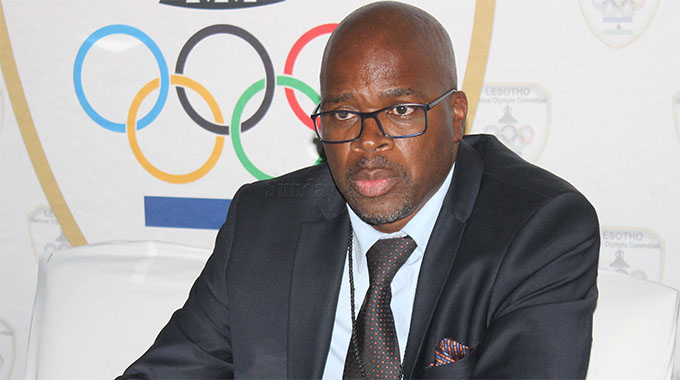
Ellina Mhlanga Senior Sports Reporter
African Union Sports Council Region Five Under-20 Youth Games remain one of the competitions that have become popular with upcoming athletes getting the opportunity to showcase their talent.
The AUSC Region Five Games attract athletes from 10-member countries — Angola, Botswana, Eswatini, Lesotho, Malawi, Mozambique, Namibia, South Africa, Zambia and Zimbabwe.
They have become a platform for some of the athletes to launch their sporting careers and some have gone on to compete at major competitions such as the Olympics.
The delayed 2020 edition of the Games featured Under-17s and AUSC Region Five chief executive, Stanley Mutoya, said it was a deliberate move as they are looking at preparing for major continental and international competitions.
“For starters, I think I would expect, in Malawi, the standard of competition to rise because what we did this time around, we dubbed the Lesotho Games – Paris via Accra with a stopover in Malawi.
“So in other words the journey for us to go to Paris in 2024 started in Lesotho from the 3rd to the 12th of December (last year). So we reduced the age-group of the athletes that were in Lesotho to Under-17, so that they would be the same athletes that would be in Malawi in 2022.
“And they are the same athletes that will try to qualify for African Games Accra, 2023 and they are the same athletes that then will use Accra 2023 to qualify for Paris 2024.
“So we expect the standard of competition to rise in Malawi because these are the same teams, same athletes that we had in Maseru who must be kept in a programme,” said Mutoya. Eleven sport codes – athletics, boxing, basketball, football, gymnastics, judo, netball, swimming, taekwondo, tennis and volleyball – were on offer in Maseru, Lesotho.
“The danger we have always find is that after the Games people forget, they go on holiday, those athletes are left. They will only remember them when they have to accredit them.
“So we are challenging all the 11 national associations whose athletes were in Maseru, they must keep the athletes in a programme so that they continue preparing for Malawi, it’s not far.”
The Region is also introducing qualifying standards, a move expected to make the Games more competitive and athletes get the much-needed competition before they graduate to the next level.
With the Region aiming for more medals at such events as the Olympic Games in the future, qualifying standards are likely to push their member countries to also raise the bar in their development programmes and preparing teams for the Games.
“Also we are introducing qualifying standards for Malawi and beyond so that we move away from making our Games a recreational event, and we make them part of the development continuum as we are now focusing on Paris and beyond.
“Actually, while we are taking these athletes to Paris we don’t put pressure on them to win medals. Our focus is on Los Angeles 2028 because with these athletes being 17 years we think that they will be at the right age by the time they go to Los Angeles Olympic Games in 2028.
“So we created a base now where we think that seven years from now most of them will be 24, 25, they will be at the right age of competing. Of course, I know in some sports like swimming and so on the age-group of people winning medals is going lower which is fine.
“But I am saying in terms of experience of competition, they would have had enough competition experience and from about Paris all the way to Los Angeles we must see these athletes peaking and we must see, record more medals as a Region than we have had in the past,” said Mutoya.
The Games revert to Under-20 this year when Malawi host in December.
While at regional level efforts are being made to give athletes a platform to prepare for the bigger stage, confederations for the various sport codes have been challenged to also take other age-groups at various levels so that the conveyer belt continues to move.
Such competitions as the Confederation of Schools Sport Association of Southern Africa (Cossasa) Games remain key in providing competition for the younger athletes in the Region.



 Online Reporter